

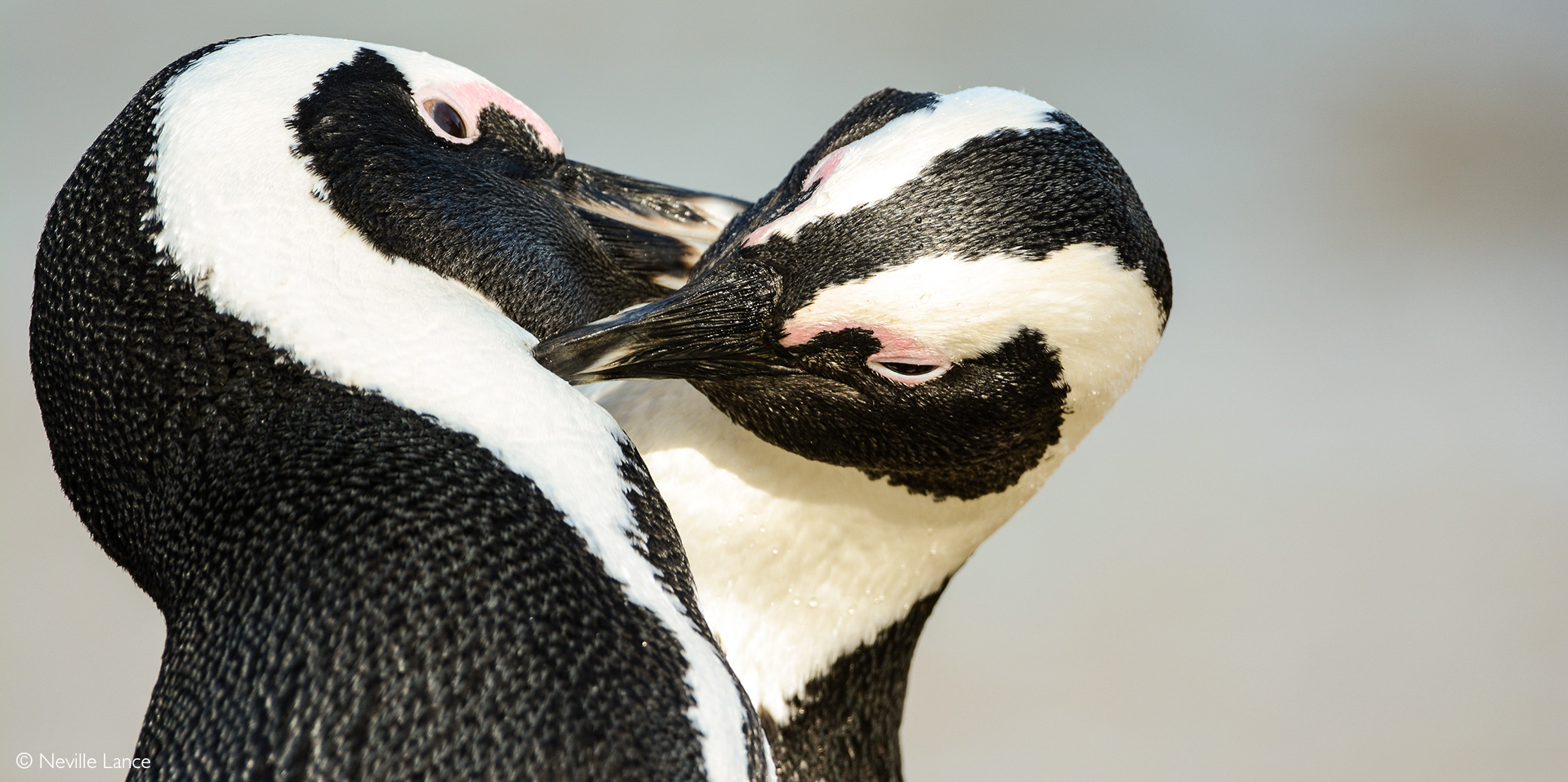
A devastating study has revealed that endangered African penguins have starved en masse off South Africa’s coast, with some breeding colonies suffering catastrophic population drops of 95% over just eight years.
The alarming findings, published this week by researchers from the UK’s University of Exeter in collaboration with the South African Department of Forestry, Fisheries and the Environment, highlight a conservation crisis that threatens to drive the species to extinction within a decade.
Fewer than 10,000 breeding pairs of the distinctive black and white African Penguin remain globally, according to the study. The International Union for Conservation of Nature (IUCN) classified the species as critically endangered last year, underscoring the urgency of the situation.
Between 2004 and 2011, two of the most significant breeding colonies near Cape Town collapsed entirely, resulting in an estimated 62,000 bird deaths. The study identified severe food shortages as the primary cause of this mass mortality event.
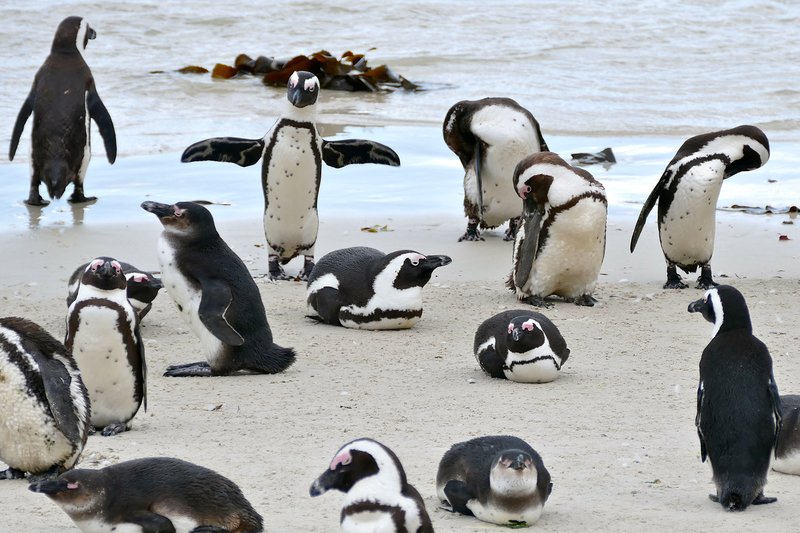
Co-author and biologist Richard Sherley explained that sardine populations in South African waters – a crucial food source for the penguins – remained consistently below 25% of their peak abundance throughout the eight-year period.
“This appears to have caused severe food shortage for African penguins, leading to an estimated loss of about 62,000 breeding individuals,” Sherley stated.
The decline in sardine stocks resulted from a combination of commercial fishing practices and environmental factors, including changes in water temperatures and salinity levels.
The research reveals that the global African penguin population has plummeted by nearly 80 percent over the past three decades. Conservation experts warn that at the current rate of decline, the species could face extinction in the wild by 2035.
Authorities have implemented several protective measures in response to the crisis. For the past decade, commercial fishing has been banned around six penguin colonies, including Robben and Dassen islands – the two sites examined in the study.
Additional conservation initiatives include the installation of artificial nests and efforts to establish new breeding colonies.
The African penguin remains a major tourist attraction in South Africa, drawing thousands of visitors to breeding colonies annually. However, conservationists note that tourism pressure contributes to bird stress and habitat disturbance, adding another layer of complexity to conservation efforts.
The study’s findings underscore the urgent need for enhanced protection measures to prevent the complete loss of this iconic African species within the next decade.
ALSO READ: A race against extinction: How a heartfelt partnership is helping to save the African Penguin



You must be logged in to post a comment.