In the neonatal intensive care unit (NICU), where the smallest lives fight the biggest battles, parents, nursing staff and doctors witness what true courage looks like.
On World Prematurity Day celebrated at Cape Gate Mediclinic in Cape Town recently, Dr Esté Sauerman, a paediatrician working in the NICU ward, shared a heartfelt message honouring premature babies and the remarkable strength they demonstrate every day.
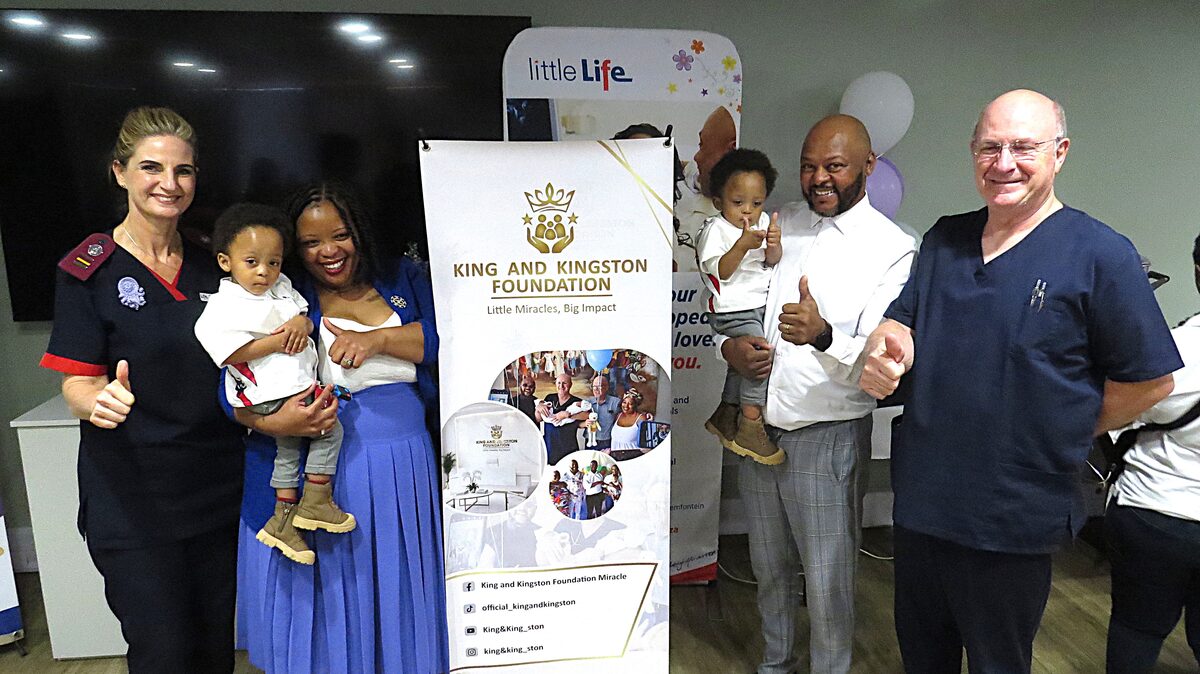
The nursing staff reunited with former premature babies they had cared for at the hospital, along with their families, during the special day.
These tiny fighters remind us daily that strength does not come from size. Strength comes from spirit, and every one of them carries the heart of a warrior.
“Today we celebrate some of the smallest people who have made the biggest impact — our preemies,”Sauerman said. “These tiny fighters remind us daily that strength does not come from size. Strength comes from spirit, and every one of them carries the heart of a warrior.”
Speaking about the remarkable nature of premature babies, Sauerman described them as “wonderfully made.”
“Even when they arrive months too early, with translucent skin and fragile breaths, they carry a spark that leaves us humbled,” she said. “Their lives whisper, ‘I am here for a purpose.”\
Defy expectations
Sauerman highlighted the daily challenges these babies face, explaining how they defy expectations against all odds.
“While most babies sleep safely inside the womb, our preemies are already climbing mountains, learning to breathe, learning to feed, learning how to grow,” she said.

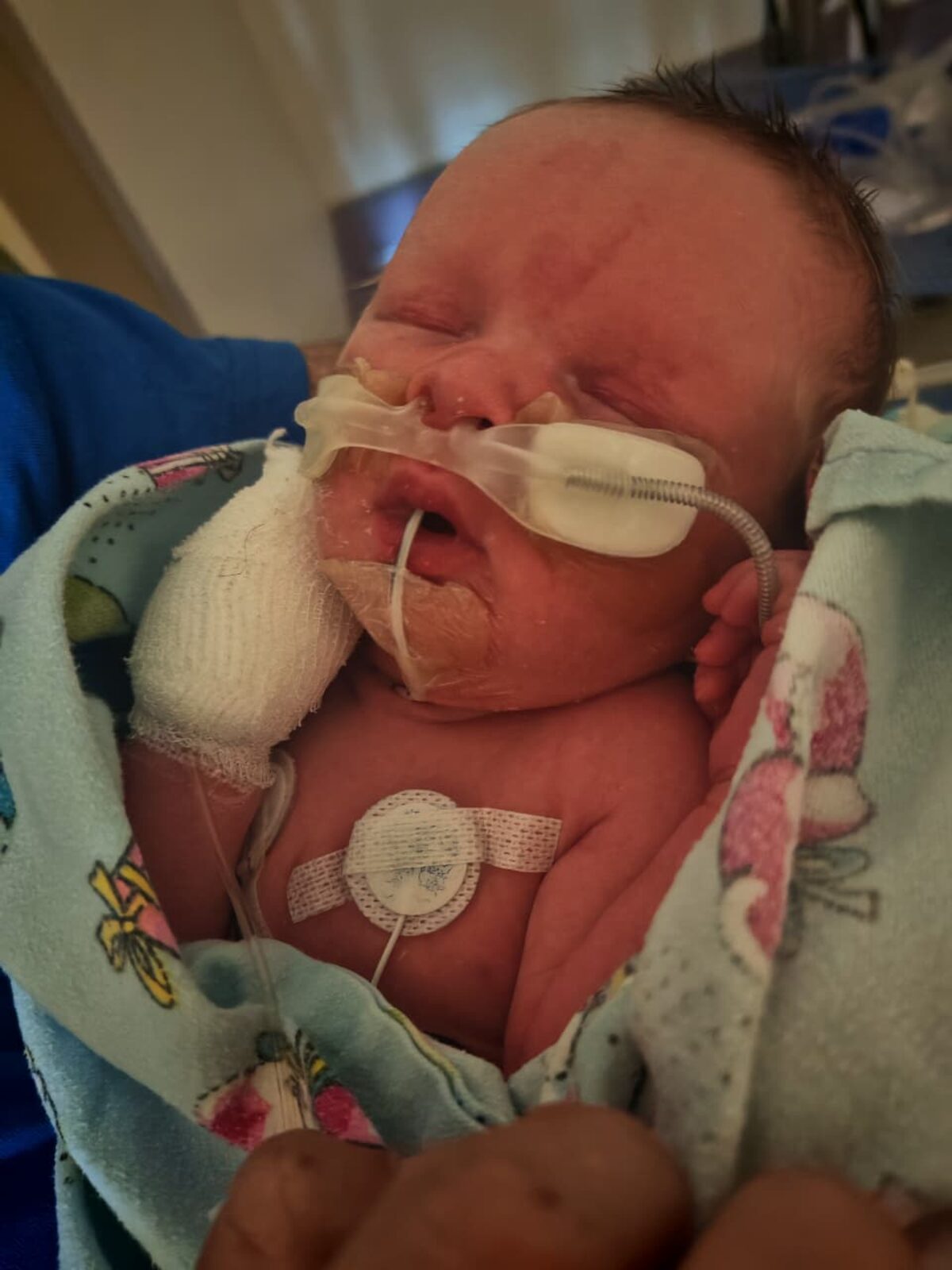
“Every day in the NICU is a battle conquered. They survive infections, setbacks, long nights and moments that steal the breath from a parent’s chest. Yet they rise again and show us what resilience truly looks like. Despite the tubes, the alarms, the wires, their light never dims. Their presence brightens every ward round, every night shift, every heart that has the privilege to love them.”
The paediatrician also praised the dedicated teams working alongside these young patients. “Behind every warrior is a village of nurses who hold steady hands at 03:00, doctors who fight for every gram of growth, parents who stand guard with exhausted eyes but unbroken love,” she said.
“The NICU is not just a unit; it is a family. Each milestone — a stable temperature, a successful feed, a little extra weight is a victory parade. These babies don’t just survive; they overcome. They rewrite the rules of what’s possible.”
Unique stories
Reflecting on the individual journeys of NICU patients, Sauerman noted the unique nature of each story.
“No two stories are the same. Some are short, some are long, some are scary, some are full of quiet miracles,” she said. “But every journey reminds us that hope is real, that courage is contagious, and that love can hold even the most fragile beginnings.”
For Geraldine Dippenaar from Brackenfell, the NICU journey proved to be an emotionally taxing experience that began without warning.
“I went for my normal 35-week scan, where I mentioned to the doctor that the baby wasn’t moving too much,” she recalls. “I was sent down to the labour ward to be put on a monitor, and before you knew it, they were taking the baby out. I was in utter shock and started crying. I asked myself what I did wrong. Why couldn’t I keep my baby in longer? How did I fail?”
The suddenness of the situation left Geraldine unprepared for what was to come. “I couldn’t even pack up at work and pack a bag for hospital. While they were opening me up, I was still processing the shock and didn’t have much awareness of what was happening.”
Emotions overwhelming
Little Robert Roy, now three months old, was born at 35 weeks and immediately admitted to the NICU, where he was placed in an incubator. With his lungs not yet fully developed, he required 90% oxygen to help him breathe during the first critical week.
“He was later placed on machines and spent three weeks in NICU,” Geraldine explains. “At first, the emotions were overwhelming, with doctors telling you he is very sick, they are working on him but can’t give definite answers. Every minute of every day you wonder if your baby is going to pull through. But as his oxygen levels started improving, I realised he was in good hands.”
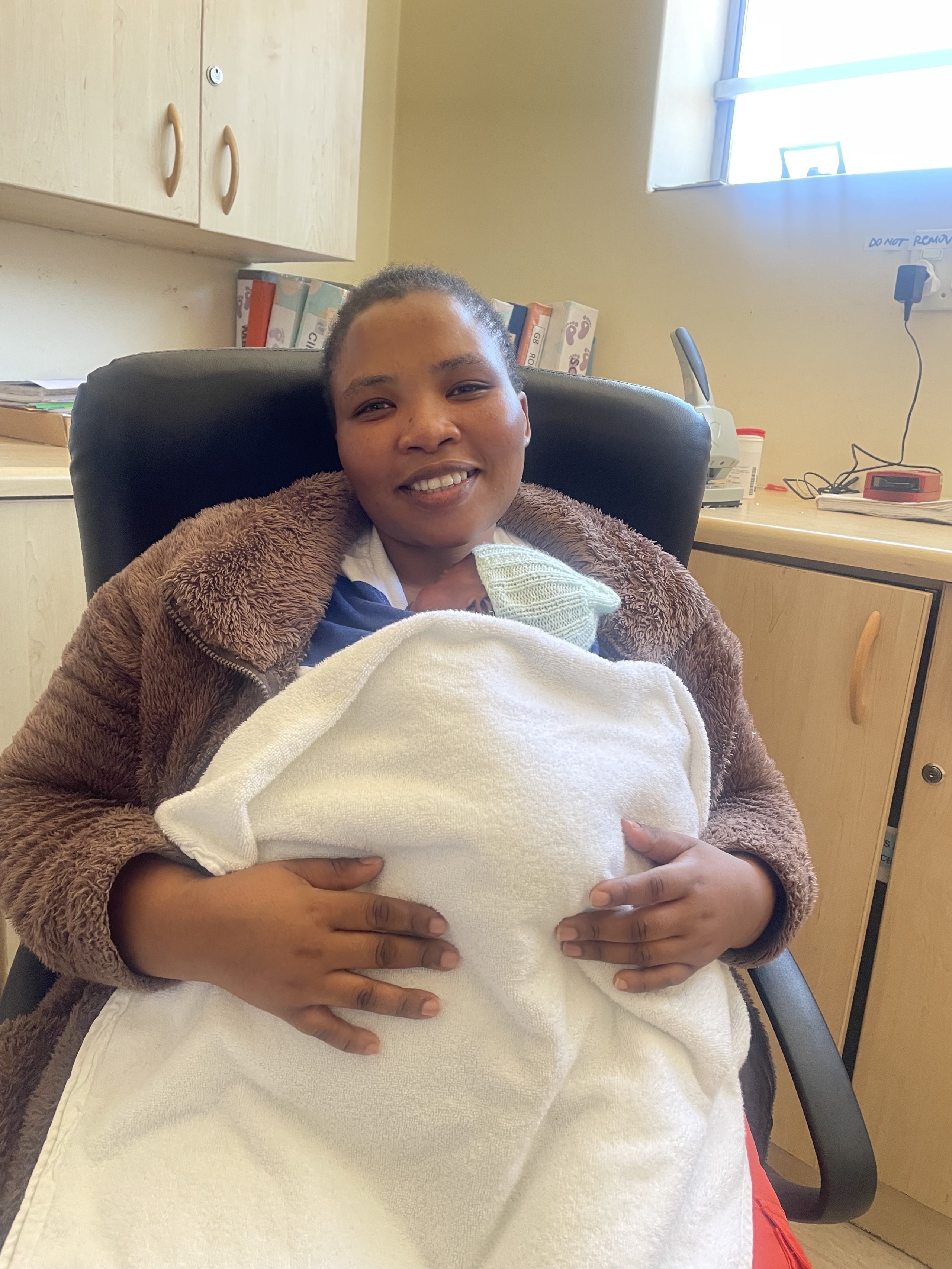
The bonding process proved particularly challenging during those early days. “It was a difficult journey, going in every day but not being able to even touch him in the first week, as his skin was still too sensitive. As time went on, I could hold him but wasn’t allowed to rub him — only place my hand over him. I could read to him, but I couldn’t breastfeed him, and that made the bonding process hard.”
Back at home both mother and baby are now thriving. “I was so grateful and relieved when my little boy was finally out of the NICU and doing so well. It’s like a heavy burden has been lifted from my shoulders. All the nights of worry, the constant fear of the unknown, and the endless wait for good news are now giving way to peace and new hope,” she says.
“I am proud of his fighting spirit and deeply grateful for every little milestone he reaches, knowing that these moments are so much more precious now. Above all, I feel overflowing with love, a love that has been honed by the NICU into something even deeper, gentler, and incredibly powerful.”
Premature birth affects about one in nine babies in South Africa and remains one of the leading causes of newborn deaths.
The Western Cape Department of Health and Wellness joined the global community in marking World Prematurity Day to celebrate the courage of babies born too soon, and the families and health workers who care for them.
Premature birth affects about one in nine babies in South Africa and remains one of the leading causes of newborn deaths, according to the department.
“With early detection, skilled care and family support, most preterm babies can survive and thrive,” says Prof Gugu Kali, head of the neonatology unit at Tygerberg Hospital.
“Every baby deserves the best start in life,” says Kali. “We encourage all expectant mothers to book their first antenatal visit as soon as they know they are pregnant and to keep attending every check-up. Early and regular care allows healthcare teams to monitor both mother and baby, identify risks early, and act quickly, giving little ones the best chance to grow strong and healthy.”