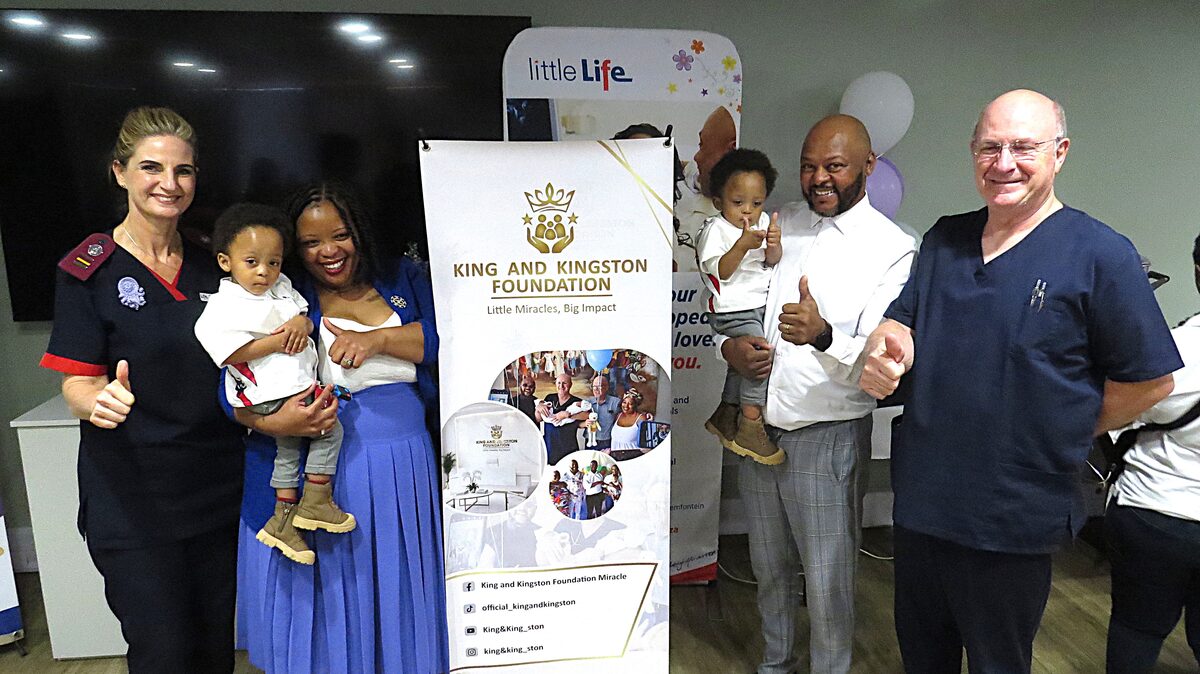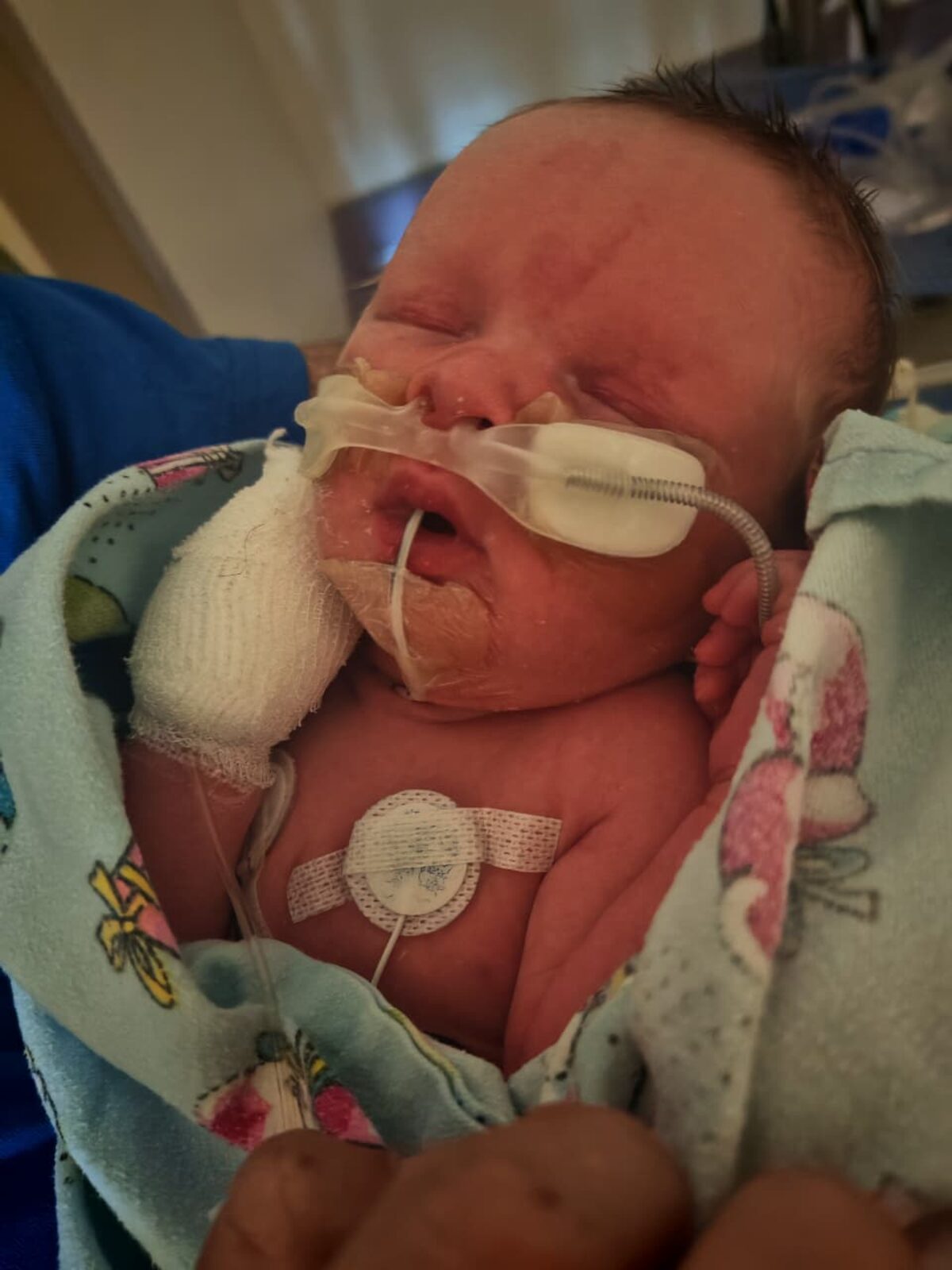
Every nine minutes, a baby is born too soon in South Africa. Today, 17 November, marks World Prematurity Day, shining a spotlight on the smallest fighters in our hospitals and the dedicated teams working around the clock to give them their best chance at life.
In the Western Cape, premature birth affects roughly one in nine babies, making it one of the leading causes of newborn deaths. But with the right care, support, and a little bit of fighting spirit, most of these tiny patients can not only survive — they can thrive.
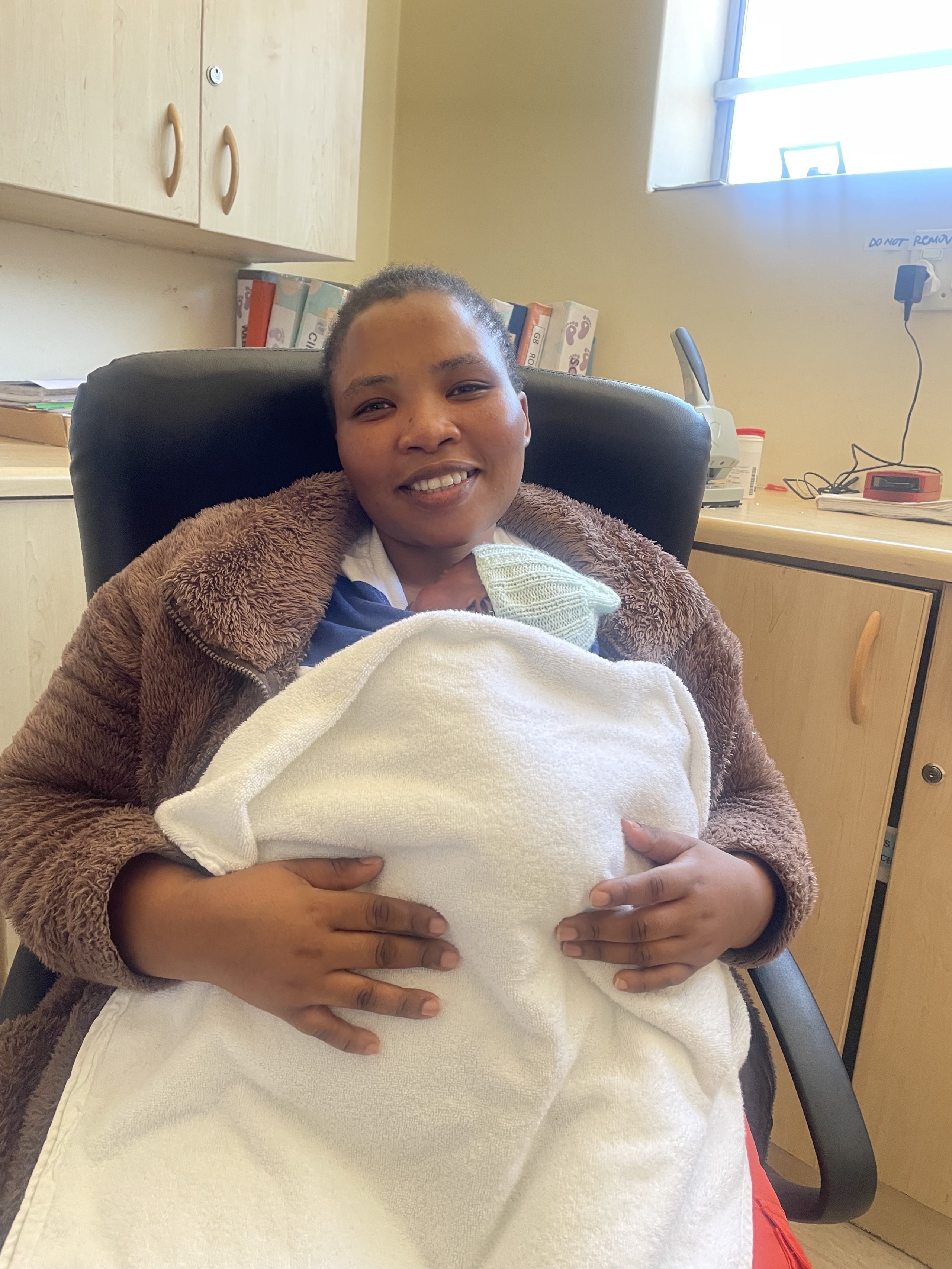
Nobongikhaya Sithilanga still remembers the shock when her son Elishama arrived at just 26 weeks, weighing barely 600 gr – less than a loaf of bread.
“I was traumatised,” she admits. “But over time, I learnt to enjoy him and care for him. Visiting every day, learning to express milk, practising kangaroo mother care — it all taught me patience and love.”
Today, Elishama is going home healthy. “I’m so thankful to the doctors, staff, and God for this journey,” says Sithilanga.
Shanice Heynes knows that feeling well. Her son Ayaan was born at the same gestational age, weighing 720 grams.
“Those early days were filled with both fear and faith,” she recalls. “Watching my baby surrounded by machines taught me courage and hope. The medical team gave my baby the chance to come home and thrive. They are true heroes.”
Behind these success stories lies the Western Cape Department of Health’s “Start Well” approach — a comprehensive strategy that begins the moment a woman discovers she’s pregnant.
Professor Gugu Kali, Head of Neonatology at Tygerberg Hospital, emphasises the importance of early intervention.
“Every baby deserves the best start in life,” she says. “We encourage all expectant mothers to book their first antenatal visit as soon as they know they’re pregnant. Early and regular care allows us to monitor both mother and baby, identify risks early, and act quickly.”
The program combines antenatal services at local clinics, skilled midwives at birthing facilities, and community health workers who provide crucial follow-up care at home.
This week, hospitals and clinics across the Western Cape are hosting educational sessions, parent support groups, and purple-themed awareness activities — purple being the internationally recognised colour for premature birth awareness.
The message is clear: with proper care and support, size doesn’t determine destiny.
What every expectant mother should know
Healthcare officials stress four key steps for protecting babies:
• Start early: Visit a healthcare facility immediately upon discovering pregnancy
• Stay consistent: Attend every antenatal appointment
• Follow guidance: Maintain proper nutrition, rest, and take prescribed supplements
• Seek support: Connect with community health workers and local clinics for guidance
“Small babies can be fighters,” Professor Kali reminds us. “World Prematurity Day shows us that no family has to face this journey alone.”
As the Western Cape health system continues to strengthen its maternal and neonatal care services, the message resonates: when babies start well, families live well, and entire communities benefit.
For families currently navigating the premature birth journey, support is available through local clinics and community health programs across the province.