

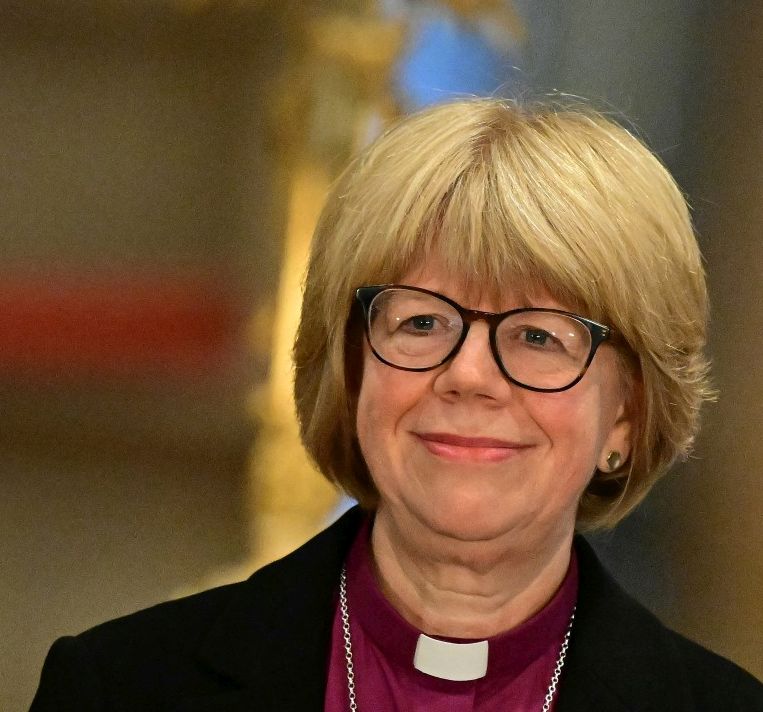
In a historic event today, Sarah Mullally was named the new Archbishop of Canterbury, becoming the first woman to lead the Church of England in its 1 400-year existence and head the global Anglican community of 85 million followers.
The 63-year-old former chief nursing officer was approved by King Charles III following recommendation by the Crown Nominations Commission, which spent months searching for a successor to Justin Welby, who resigned earlier this year over his handling of a historic abuse scandal.
In her first statement, Mullally acknowledged the “huge responsibility” of leading the mother church of global Anglicanism, but said she feels a sense of “peace and trust in God to carry me” into the role.
The appointment marks a watershed moment for the Church of England, which can trace its origins to the Roman Empire and has been led by 105 male archbishops since the late sixth century.
Prime Minister Keir Starmer welcomed the historic appointment, stating that the church’s vital role in British society. “The Church of England is of profound importance to this country. Its churches, cathedrals, schools, and charities are part of the fabric of our communities,” he said, adding that Mullally would “play a key role in our national life.”
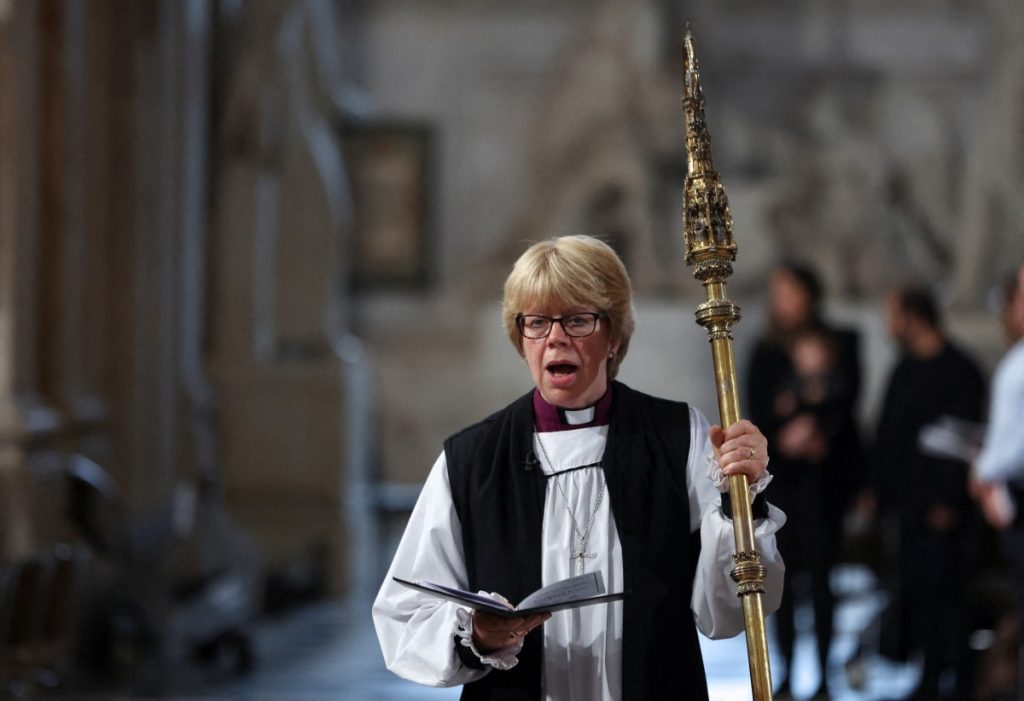
Mullally brings a unique background to Canterbury, having served as England’s Chief Nursing Officer from 1999 to 2004 before pursuing ordination. She was ordained as a priest in 2002 and rose through church ranks to become the first female Bishop of London in 2018.
Her appointment comes at a critical time for the Anglican Church, which has faced declining membership despite its established status. While the Church of England claims 20 million baptised members, regular attendance has dwindled to just under one million, according to 2022 figures.
Mullally’s appointment follows the resignation of Justin Welby, who stepped down after an independent report found the Church of England had covered up a 1970s serial abuse case. The probe revealed that Welby failed to report the abuses to authorities when they came to his attention in 2013.
The scandal centered on John Smyth, a lawyer who organised evangelical summer camps in the 1970s and 1980s and was responsible for abusing as many as 130 boys and young men. Smyth died in South Africa in 2018 while under police investigation, never facing criminal charges.
The revelations shocked the UK and prompted widespread calls for reform in the Church of England, whose supreme governor is the British monarch.
The selection process was overseen by Lord Jonathan Evans, former head of MI5 domestic security service, who chaired the Crown Nominations Commission through months of consultation and discernment.
Mullally’s appointment represents the culmination of decades of gradual change within the Anglican Church. The Church of England only began permitting women bishops in 2014 after years of internal debate, though some Anglican churches worldwide had embraced female bishops much earlier, with the first appointed in the United States in 1989.
Today, more than 40 of England’s 108 bishops are women, reflecting a similar proportion among priests since women clergy were first permitted in the early 1990s.
As Archbishop of Canterbury, Mullally will serve as “first among equals” in the global Anglican Communion, which spans more than 165 countries. The role carries significant influence beyond Britain, as the symbolic head of a worldwide Christian denomination that emerged following King Henry VIII’s split from the Roman Catholic Church in the 1530s.
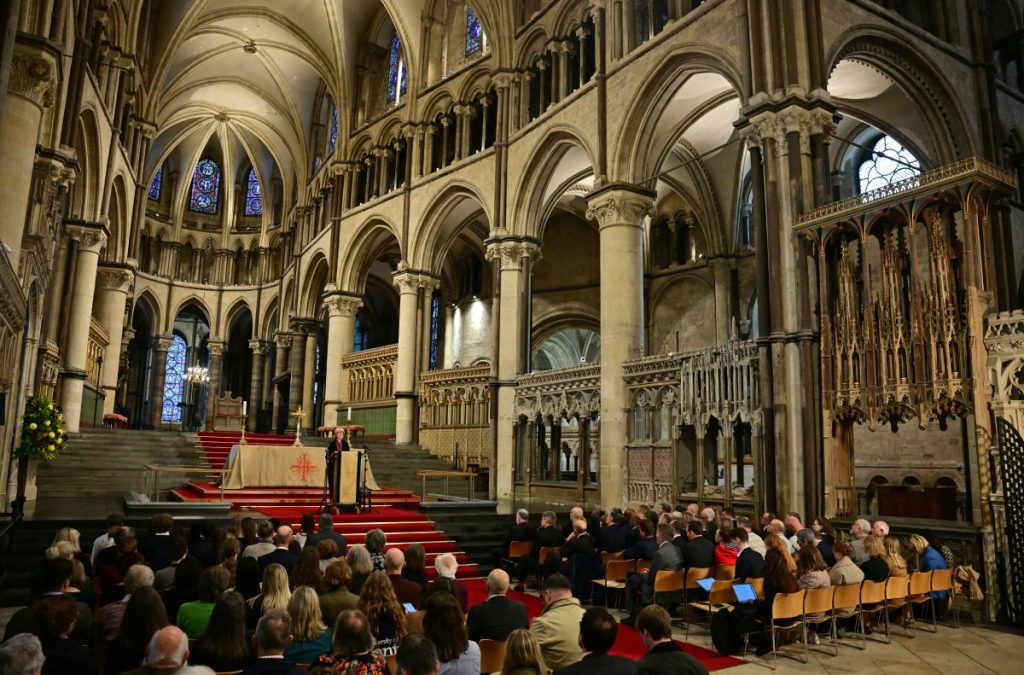
Mullally is scheduled to be formally installed at Canterbury Cathedral in March 2026, when she will officially begin her tenure as the 106th Archbishop of Canterbury and the first woman to hold one of Christianity’s most influential positions.








You must be logged in to post a comment.