

When it comes to nutrient-dense, balanced diets that promote long-term health, the Mediterranean diet, the Dietary Approach to Stop Hypertension (DASH) eating plan and plant-based diets are rated among the best. The one easy-to-find, delicious-to-eat ingredient that perfectly fits into all these eating patterns? The avocado!
The Mediterranean diet is characterised by a high intake of fruit, vegetables, wholegrains, legumes, nuts and olive oil; a moderate intake of fish (especially fatty fish), chicken, dairy; a low intake of red meat, processed foods and refined grains, with the occasional glass of wine.
Studies show that this diet may help reduce the risk of heart disease, colorectal cancer, breast cancer and ADHD in children and adolescents while supporting up to a two-fold increase in the likelihood of weight loss maintenance.
A standout nutritional feature of the Mediterranean diet is the healthy monounsaturated fats, particularly oleic acid, which is found in olives and olive oil. Avos too are high in monounsaturated fats, with one serving containing 5.0 g of monounsaturated fat, the majority of which is oleic acid (4.5 g).
The DASH eating plan, on the other hand, is specifically designed to help address high blood pressure, and has been globally recognised as an effective dietary strategy in blood pressure management. Diets high in salt and saturated fats (like animal fats) play a contributing role in hypertension.
South Africa has one of the highest rates of hypertension globally, with at least one third of the population unaware they have high blood pressure (hence called the ‘silent killer’) and around 25% on medication for high blood pressure.
The DASH diet promotes foods that are low in saturated fat, total fat, cholesterol, salt and added sugar, as well as those that are rich in potassium, magnesium, calcium, phytonutrients and fibre. Research has found that following the DASH diet may reduce systolic blood pressure (the ‘top’ number which measures the pressure when the heart contracts and pushes out blood) to a greater extent than restricting salt intake alone.
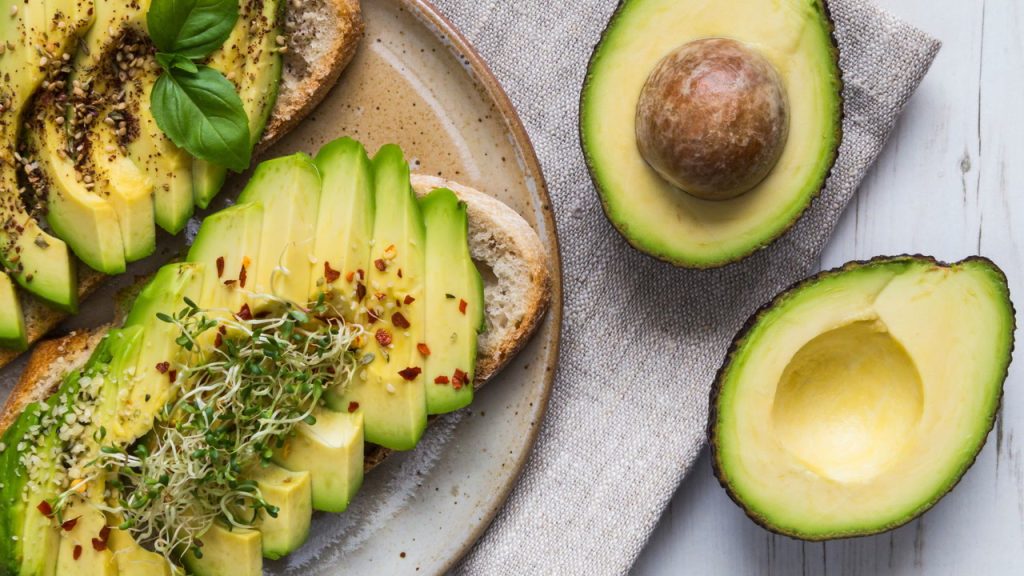
Avocados pair perfectly with the DASH diet, as they’re naturally low in sodium, high in monounsaturated fatty acids (15.6 g per 100 g), a source of dietary fibre (5.3 g per 100 g), and contain potassium.
In fact, research has shown that avos may play a beneficial role in high blood pressure management. Studies revealed that individuals consuming five or more servings of avocado per week, compared to those who don’t eat avo or eat very little, had a 17% decrease in their rate of hypertension.
In recent years, vegetarian and vegan diets have also gained considerable attention. This is hardly surprising given that the Global Burden of Disease Project estimates that around
34 000 annual cancer deaths can be attributed to diets high in processed meats (such as bacon, beef patties, biltong, ham, viennas, polony and sausages), and 50 000 deaths to diets high in red meat.
Low intakes of fruit and vegetables are linked to heart disease deaths and stroke deaths, while diets rich in fruit and vegetables have been shown to help with weight management, lower mortality risk and benefit gut health.
Avos are nutrient-dense, providing healthy fats, fibre, and a range of vitamins and minerals. They’re ideal for vegans and vegetarians as they enrich meals with key nutrients that may be difficult to access in standard plant-based diets.
Dr Monique Piderit, consulting dietitian to the South African Avocado Growers’ Association (SAAGA), says given the increasing popularity of avocados, combined with the similar fatty acid profile between avos and olive oil, avos can be eaten as part of the Mediterranean diet (even though they’re not traditionally included in this eating plan). They can also be used as an alternative to olive oil.
Avocados also meet all the criteria for inclusion in the DASH and plant-based diets, offering health benefits, flavour and fantastic flexibility in daily meals, making it easier for people to adopt, and stick to, these diets.
“Avos are a great addition to many dietary plans due to their varied nutrient profile. They complement all the core principles of a balanced diet and can be eaten every day as part of a balanced eating plan,” says Piderit.
Not that you ever needed any more reasons to add an avo to your meals, but now that you know just how good avos are for you and your healthy diet, you simply have no excuse not to!
For further information and avo recipes, visit www.avocado.co.za , like us on Facebook @iloveavocadoSA and follow us on Instagram @iloveavossa
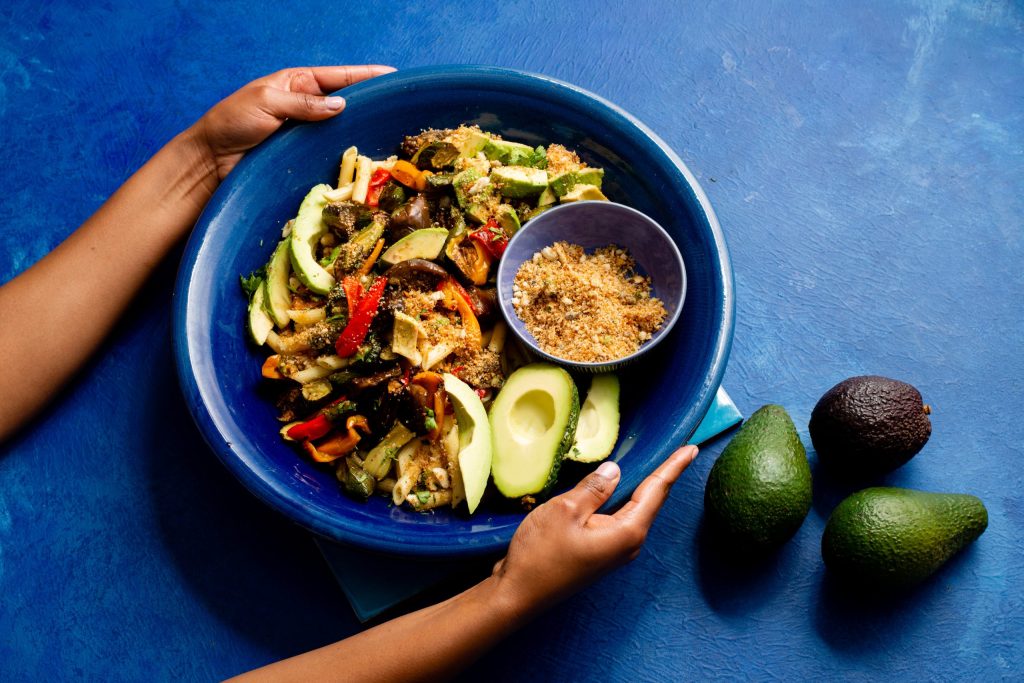
Balsamic roast veggies with penne & avocado
Serves 4 – 6
Preparation time: 20 minutes
Cooking time: 30 minutes
Ingredients:
- 2 ripe avocados
- Avocado or olive oil
- 600 g mixed vegetables, such as peppers, baby marrow, aubergine, red onion
- 2 garlic cloves, crushed
- 30 ml (2 tbsp.) mixed dried herbs or Italian herb seasoning
- Salt and pepper, to taste
- 30-45 ml (2- 3 tbsp.) Balsamic vinegar
- 15 ml (1 tbsp.) brown sugar
- 500 g penne pasta
For the breadcrumbs:
- 100 g stale sourdough bread, cubed
- 45 ml (3 tbsp.) avocado or olive oil
- 2 anchovy fillets, finely chopped (optional)
- 2 cloves garlic, crushed
- Pinch of chilli flakes (optional)
- Zest of 1 lemon
- Flat leaf parsley, to garnish
Method:
- Preheat oven to 200˚C
- Add a drizzle of the oil to a large oven dish and add the vegetables with the garlic and herbs. Season to taste and toss well. Drizzle over the Balsamic vinegar and brown sugar.
- Roast in the oven until golden and slightly charred, about 20 – 25 minutes.
- While the vegetables are roasting, boil the pasta in salted water according to instructions on the packet.
- For the breadcrumbs, whizz the bread in a food processor to make rough crumbs. In a nonstick pan heat the oil and the anchovy (if using), breadcrumbs, garlic and chilli and gently fry until golden brown and toasted, about 2 – 3 minutes. Remove from the heat and add the lemon zest.
- To serve, peel, stone and dice the avocados. Toss the drained pasta with the roasted veggies and avocado. Arrange on a platter and sprinkle over the toasted crumbs, and garnish with fresh parsley.
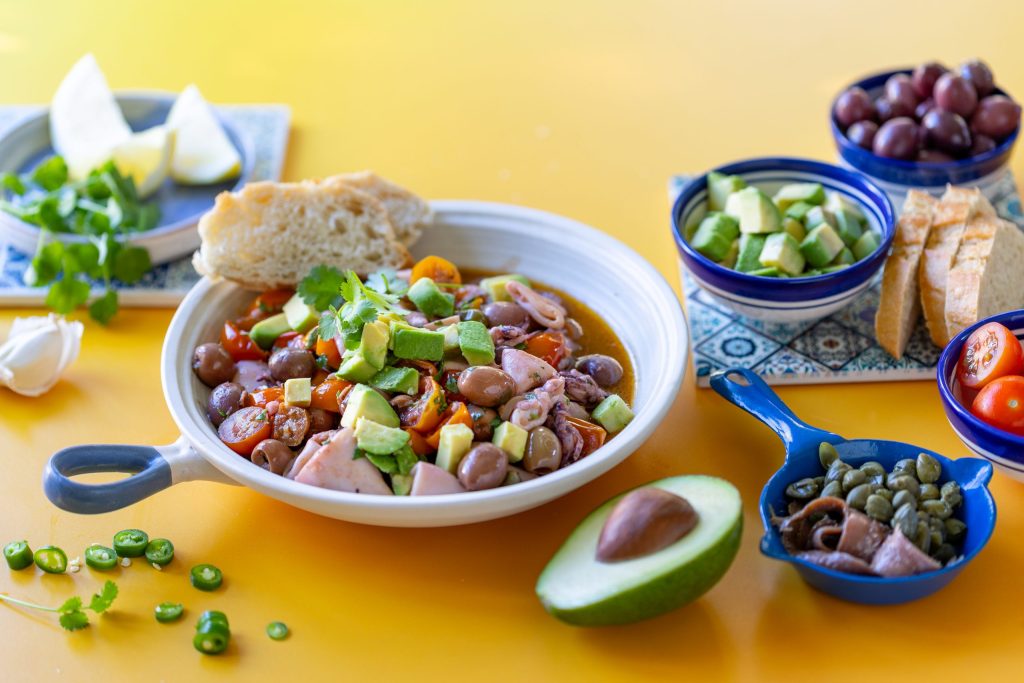
Calamari avo puttanesca
Serves 4 as a snack
Preparation time: 15 minutes
Cooking time: 10 minutes
Ingredients:
- Avocado or olive oil, for cooking
- 2 garlic cloves, crushed
- 1 green chilli, chopped
- 2 anchovy fillets, chopped (optional)
- 45 ml (3 tbsp) capers
- 200 g packet cherry tomatoes, halved
- 100 g packet Kalamata olives, drained
- 400 g fresh calamari heads and tubes, cleaned and halved
- Juice of 1 lemon
- 1 avocado, cubed
- Handful coriander, finely chopped
- Salt and pepper
- Baguette slices, to serve
Method:
- Heat a good splash of oil in a large saucepan over medium-high and fry the garlic, chilli, anchovy and capers for 1 minute. Add the tomatoes and olives and heat through.
- Add more oil if necessary. Add the calamari and lemon juice and cook for 1-2 minutes until the calamari is just cooked.
- Take off the heat and stir through the avocado and coriander. Season with salt and pepper. Serve with baguette.




You must be logged in to post a comment.