


Duduzile Zuma-Sambudla, daughter of former South African President Jacob Zuma, pleaded not guilty on Monday to charges of inciting the devastating 2021 riots that claimed more than 350 lives. The 43-year-old parliamentarian with her father’s MK Party appeared before a court in Durban, KwaZulu-Natal, where a two-week trial commenced amid significant political tensions.
Zuma-Sambudla faces three charges related to social media posts on Twitter (now X), including some that displayed images of the unrest with inflammatory captions such as “We see you,” which prosecutors argue were designed to incite further violence and terrorism.
The charges stem from the catastrophic unrest that erupted in July 2021, marking the deadliest violence South Africa had witnessed since the end of white-minority rule in 1994. The riots were triggered by the imprisonment of Jacob Zuma on 7 July 2021, after he was sentenced to 15 months in prison for contempt of court for refusing to testify before the Commission of Inquiry into State Capture.
What began as protests by Zuma loyalists in his political heartland of KwaZulu-Natal quickly spiraled into widespread looting, arson, and violence that spread to Gauteng province, including Johannesburg. The unrest exposed deep-seated socio-economic fault lines in South African society, with high unemployment rates – particularly youth unemployment exceeding 64% – and persistent inequality creating fertile ground for the violence to escalate.
The riots resulted in over 350 deaths and thousands of injuries, with economic losses estimated at approximately R50 billion. They also led to mass job losses and the destruction of shopping centres, warehouses, factories, and residential properties
President Cyril Ramaphosa was forced to deploy military forces to restore order, describing the events as an attempted insurrection.
Jacob Zuma, who served as South Africa’s president from 2009 to 2018, faces multiple corruption charges spanning over two decades, including allegations related to a 1999 multi-billion-rand arms deal where he allegedly received bribes from businessman Schabir Shaik and French arms company Thales. These charges were first brought in 2005 but were repeatedly delayed due to legal and political challenges.
ALSO READ: Trial date set for Zuma daughter in July 2021 unrest case
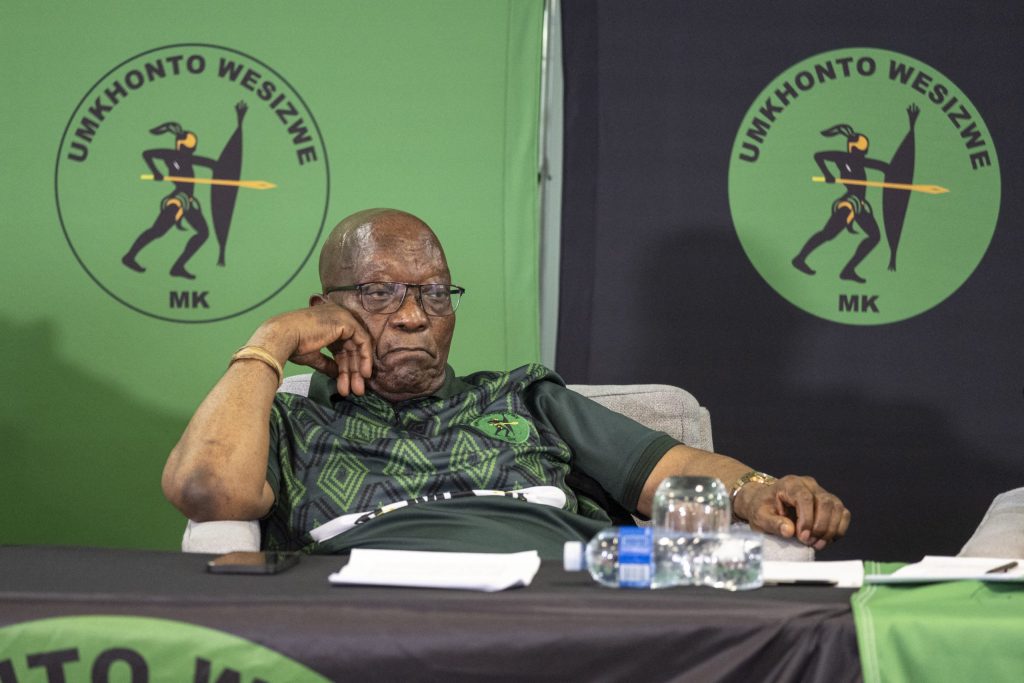
Following his legal troubles, Zuma founded the uMkhonto weSizwe (MK) Party in 2023, naming it after the armed wing of the African National Congress (ANC) during the apartheid era. Zuma-Sambudla serves as a parliamentarian for this party, which registered with South Africa’s Independent Electoral Commission in September 2023 and contested the 2024 elections.
The trial of Zuma-Sambudla is occurring against a backdrop of continuing political tensions in South Africa. The Zuma family and their supporters have consistently claimed that legal proceedings against them are politically motivated, part of what they describe as a campaign to eliminate Zuma’s influence within South African politics.
The charges against Zuma-Sambudla center on her social media activity during the height of the 2021 riots. Prosecutors argue that her posts, which included images of the unrest with provocative captions, were designed to encourage and escalate the violence. The case represents one of the first major prosecutions related to social media incitement during the riots, potentially setting important legal precedents for how online speech is regulated during times of civil unrest.
ALSO READ: High-profile terrorism trial set to begin: Duduzile Zuma faces court over July 2021 unrest



You must be logged in to post a comment.