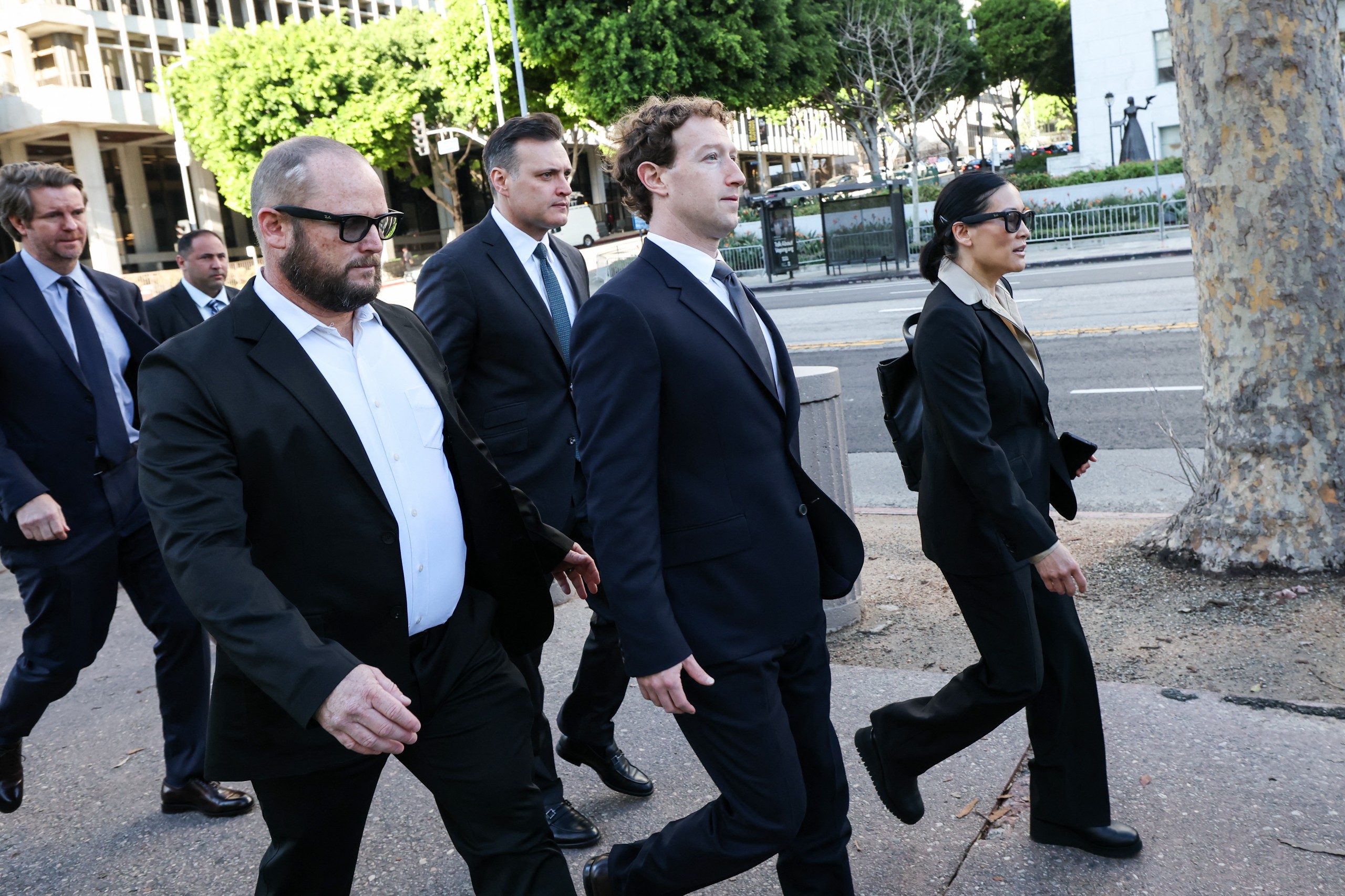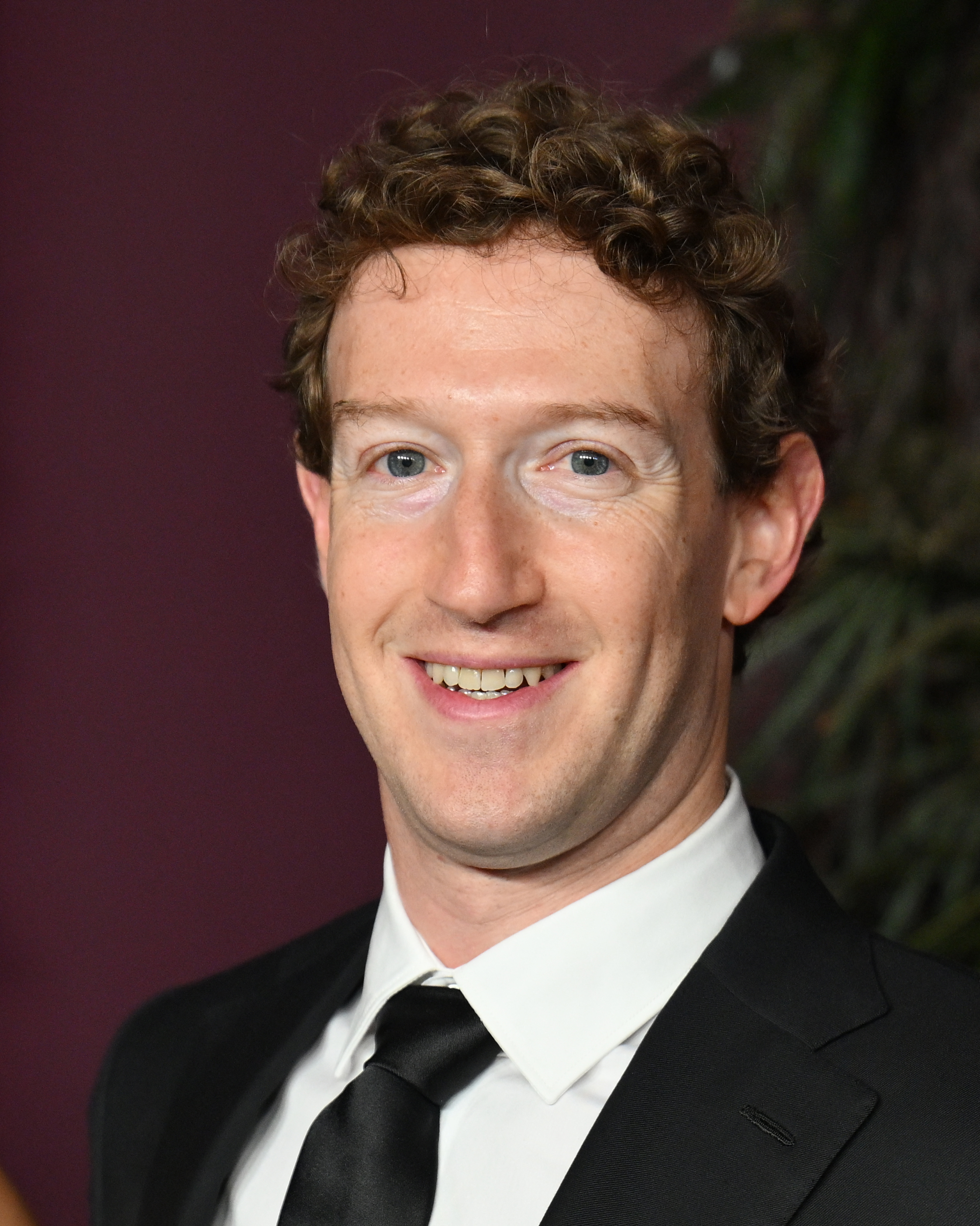
Meta CEO Mark Zuckerberg is set to testify today at a ground-breaking social media addiction trial, summoned by lawyers representing a plaintiff who alleges Instagram and other platforms were deliberately designed to make young users addicted.
The head of Meta – which owns Facebook, Instagram and WhatsApp – is the most anticipated witness in the California trial, the first in a series of cases that could set legal precedent for thousands of lawsuits filed by American families against major social media platforms.
The trial will mark the first time Zuckerberg (41) will address the safety of his platforms directly before a jury.
Zuckerberg’s controversial reputation has loomed over the proceedings since jury selection, when Meta’s lawyers worked to exclude California residents deemed too hostile towards the Facebook founder.
The 12 jurors in Los Angeles will hear testimony until late March to decide whether Google-owned YouTube and Meta’s Instagram bear any responsibility for the mental health problems suffered by Kaley G.M. (20), a California resident who has been a heavy social media user since childhood.
Kaley G.M. started using YouTube at age six, Instagram at 11, then TikTok and Snapchat.
The trial will determine whether Google and Meta deliberately designed their platforms to encourage compulsive use among young people, damaging their mental health in the process.
The case, along with two similar trials scheduled in Los Angeles this summer, aims to establish a standard for resolving thousands of lawsuits that blame social media for fuelling an epidemic of depression, anxiety, eating disorders and suicide among young people.
The proceedings focus solely on app design, algorithms and personalisation features, since US law grants platforms nearly complete immunity from liability over user-generated content.
TikTok and Snapchat, also named in the complaint, reached confidential settlements with the plaintiff before the trial began.
‘Problematic use’
Instagram chief Adam Mosseri was the first Silicon Valley executive to testify on 11 February, telling jurors he rejected the concept of social media addiction in favour of “problematic use” – Meta’s preferred terminology.
“I’m sure I’ve said that I was addicted to a Netflix show when I binged it really late one night, but I don’t think that’s the same thing as clinical addiction,” Mosseri said.
In the courtroom gallery, mothers whose teenage children had died by suicide visibly struggled to contain their anger. They had camped overnight in the rain outside the courthouse to secure seats.
The day before, the plaintiff’s lawyers called psychiatrist Anna Lembke to explain how social media can act as a “gateway drug” for young people, rewiring their still-developing brains towards addictive behaviours.
When confronted with internal email exchanges, Mosseri defended Zuckerberg’s 2020 decision to allow cosmetic surgery filters on Instagram, despite strong objections from other executives who warned of their harmful effects on young girls.
Some executives had pushed to reinstate the filters — which show users how cosmetic procedures would look — to avoid losing market share amid growing competition from TikTok.
YouTube CEO Neal Mohan was also scheduled to testify, but lawyers for the plaintiff on Tuesday said they would call another YouTube executive instead.
The Los Angeles proceedings are running parallel to a similar nationwide case before a federal judge in Oakland, California, which could result in another trial in 2026.
Meta is also facing trial this month in New Mexico, where prosecutors accuse the company of prioritising profits over protecting minors from sexual predators.
France bans social media for under-15s
French lawmakers have passed a bill that would ban social media use by under-15s, a move championed by President Emmanuel Macron as a way to protect children from excessive screen time.
The lower house, the National Assembly, adopted the text by a vote of 130 to 21 in a lengthy overnight session in January. It will now go to the Senate, France’s upper house, ahead of becoming law.
The legislation, which also provides for a ban on mobile phones in high schools, would make France the second country to take such a step following Australia’s ban for under-16s in December.
Authorities want the measures to be enforced from the start of the 2026 school year in September for new accounts. Social media platforms will then have until 31 December to deactivate existing accounts that do not comply with the age limit.
France’s public health watchdog ANSES said this month that social media such as TikTok, Snapchat and Instagram had several detrimental effects on adolescents, particularly girls, though it was not the sole reason for their declining mental health. The risks listed include cyberbullying and exposure to violent content.
While backing France’s right to impose such a ban, the European Commission said that any enforcement would lie with the EU, provided the bill conforms to the bloc’s laws. Commission spokesperson Thomas Regnier told reporters it would ultimately be up to the EU to ensure that platforms implement adequate age-verification tools to help any ban become a reality.
EU considers social media ban for under-15s
The European Union is separately considering legislation that would impose a social media ban for children under the age of 15 across all member states. The proposal, which is still in early stages of discussion, would require platforms to implement robust age-verification systems and would standardise child protection measures across the bloc. No timeline has been set for when such legislation might be introduced or voted upon.
ALSO READ: Meta challenges Australia’s landmark teen social media ban, reports blocking 544,000 accounts