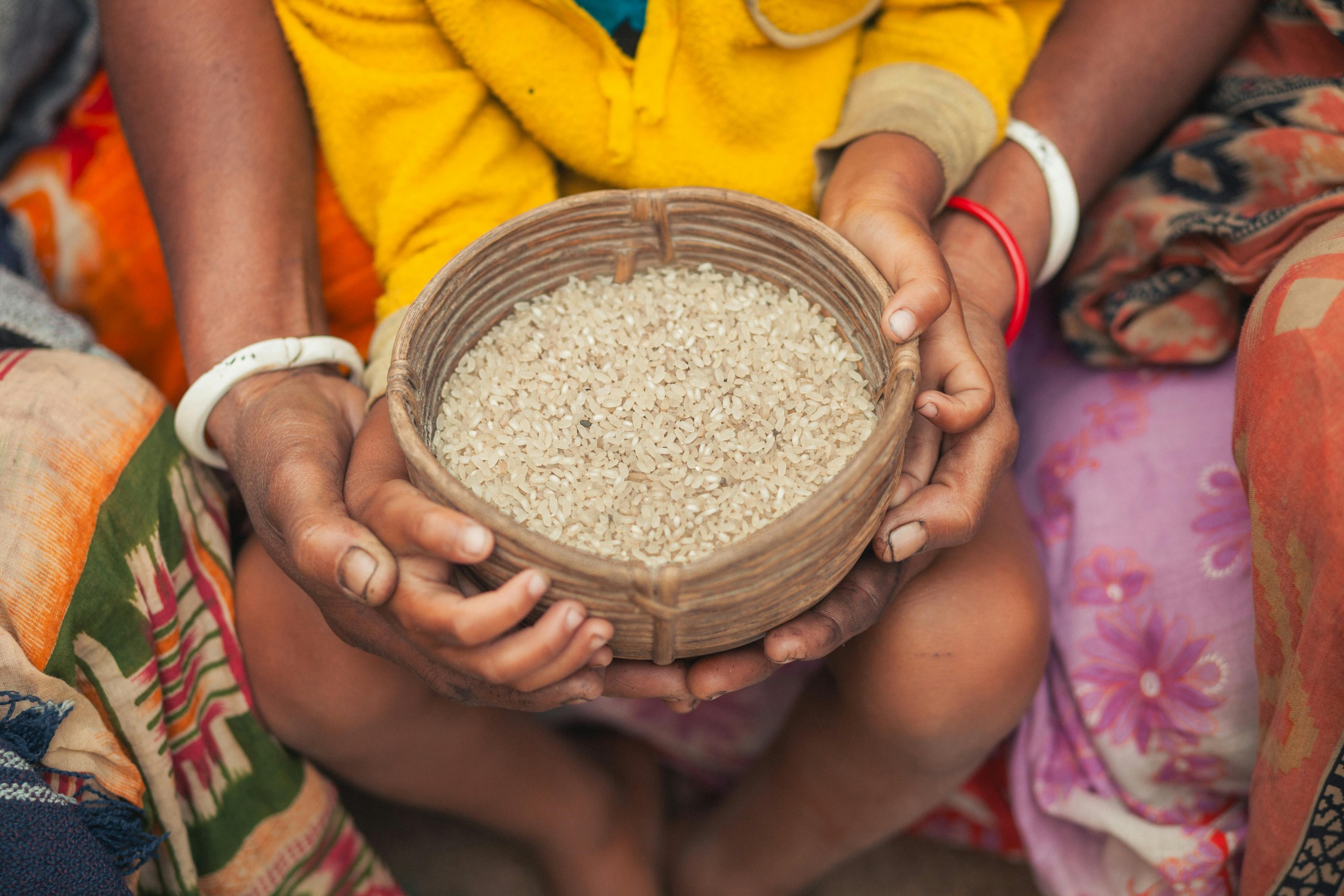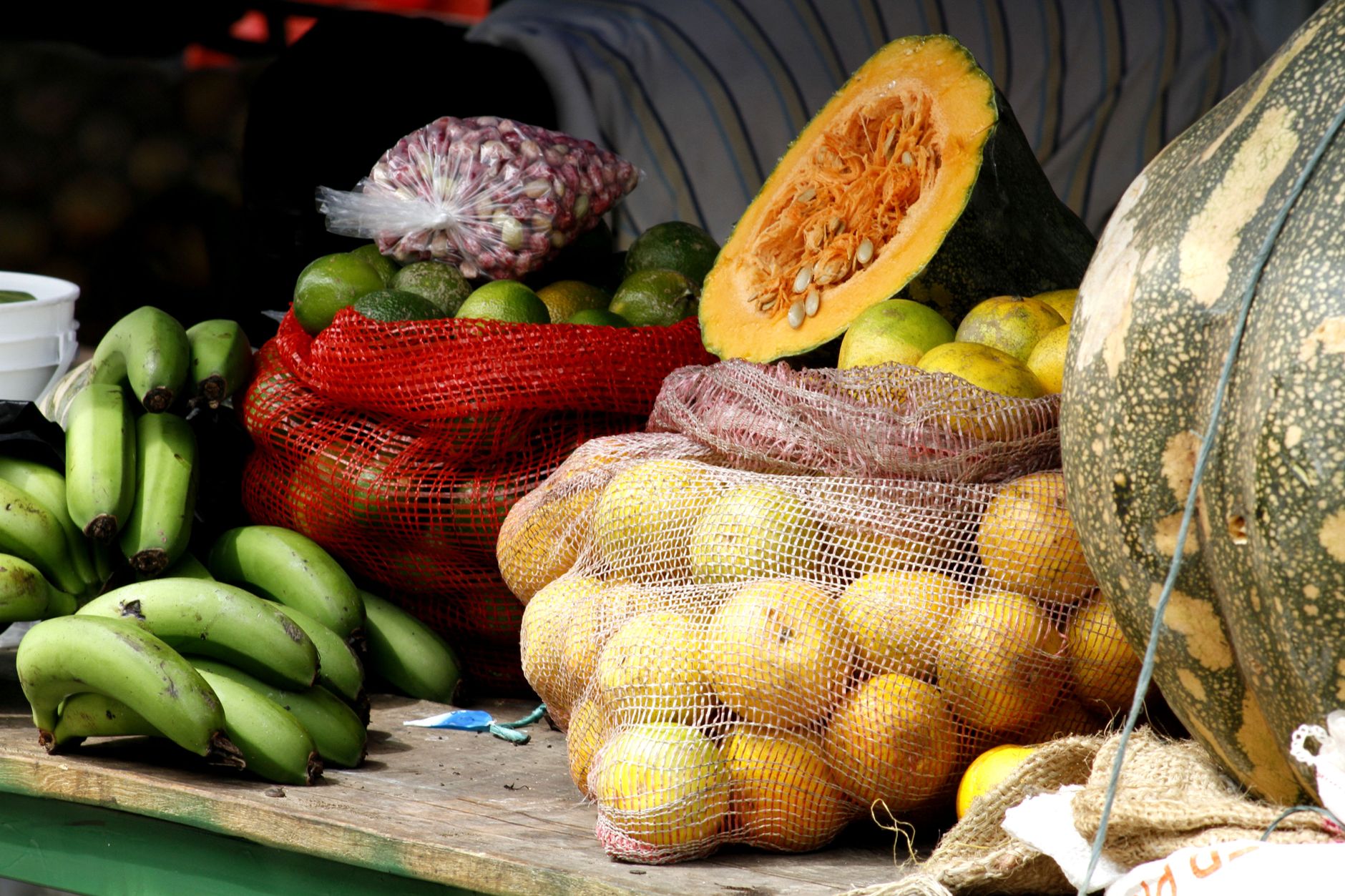
South Africa wastes an estimated 10.3 million tonnes of food each year while millions of people struggle to afford nutritious meals. This problem costs the economy around R61.5 billion or 2.1% of the gross domestic product, according to previous estimates.
This contradiction coincides with World Food Day on 16 October and has led to calls for a national strategy to distribute surplus food to hungry households instead of throwing it away.
Prof Jako Volschenk, associate professor in strategy and sustainability at Stellenbosch Business School, says food waste must be addressed with the same urgency as the country’s electricity, infrastructure and crime crises.
“Addressing food waste should not only aim to reduce the amount of edible food that is lost, but also to ensure that surplus nutritious food in one area is distributed to areas where people need it most. It should be illegal to dump food waste at landfill sites or to throw away unsold, edible food that can be donated,” he says.
Millions face hunger daily
According to figures the business school quotes, one in five South African households do not know where their next meal will come from, while nearly three million children regularly go to sleep hungry.
More than a quarter of children younger than five years experience stunted growth due to chronic malnutrition, which can harm their education, future income and health.
Where the waste happens
According to research the school quotes, 34% of food is lost during food manufacturing. Food processing and packaging account for 49% of this waste, while 18% occurs during consumption.
Unreliable electricity supply, inadequate cooling facilities and inefficient transport systems drive up the price of healthy food and contribute to waste, says Volschenk.
“By simply providing more calories, the lack of proper nutrition is concealed,” he says.
Practical solutions needed
He calls for better collaboration between government, businesses and civil society, stricter regulations on food waste and incentives for retailers and producers to donate surplus edible food. According to him, supermarkets can offer discounts on products whose sell-by date is approaching and sell fruit and vegetables with minor cosmetic defects at lower prices. Farmers can explore processing opportunities for products that do not meet appearance requirements, while households can plan meals better and freeze surplus food.
“Reducing food waste is an essential way to address food insecurity and malnutrition. High levels of food waste not only pose dangers to the health of the population, but also have economic and environmental consequences,” says Volschenk.
Food that ends up at landfill sites also means the water and energy used for its production is wasted. It also contributes to greenhouse gas emissions, he says.
Beyond a full plate
“A full plate is simply the starting point. South Africa’s food system must be evaluated based on the extent to which it provides every child and adult in the country with nutritious food, and whether it can sustain this in a climate that is becoming increasingly warmer and drier,” says Volschenk.
ALSO READ: World hunger tackled