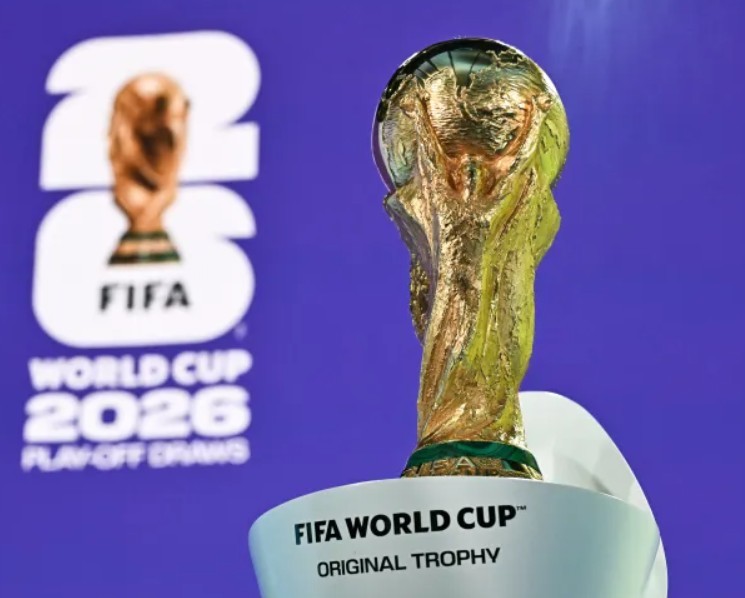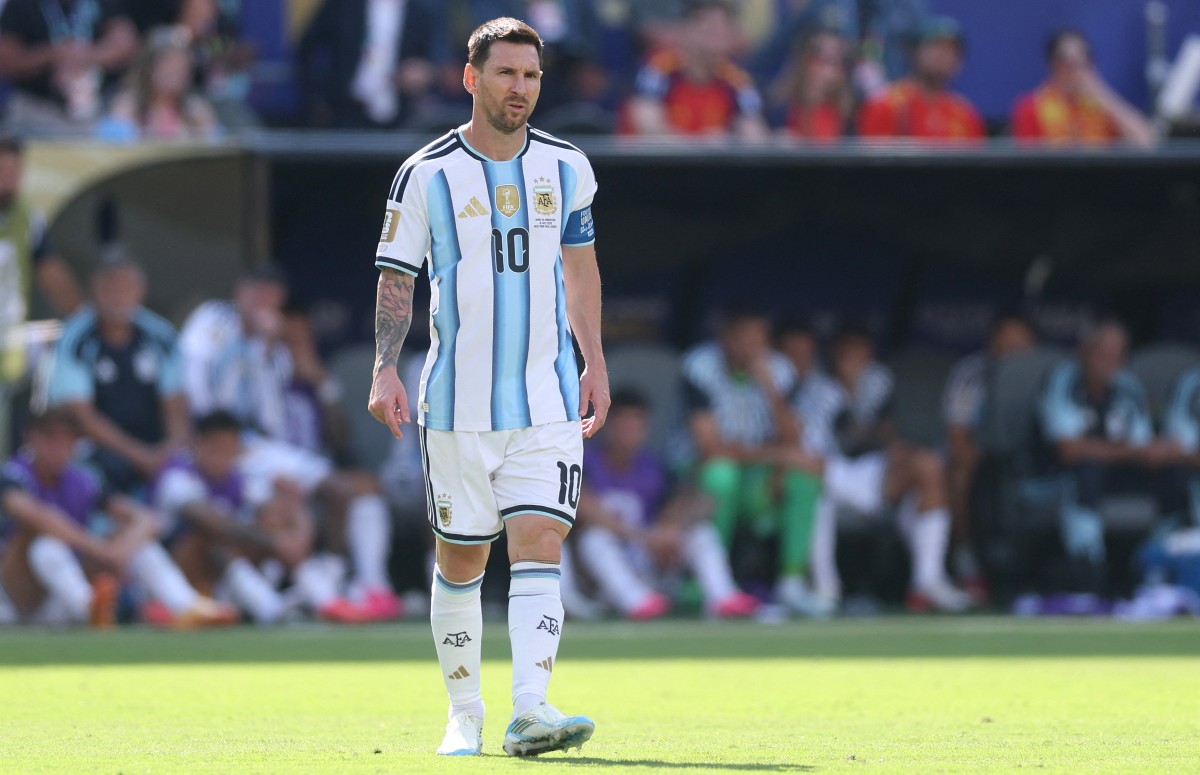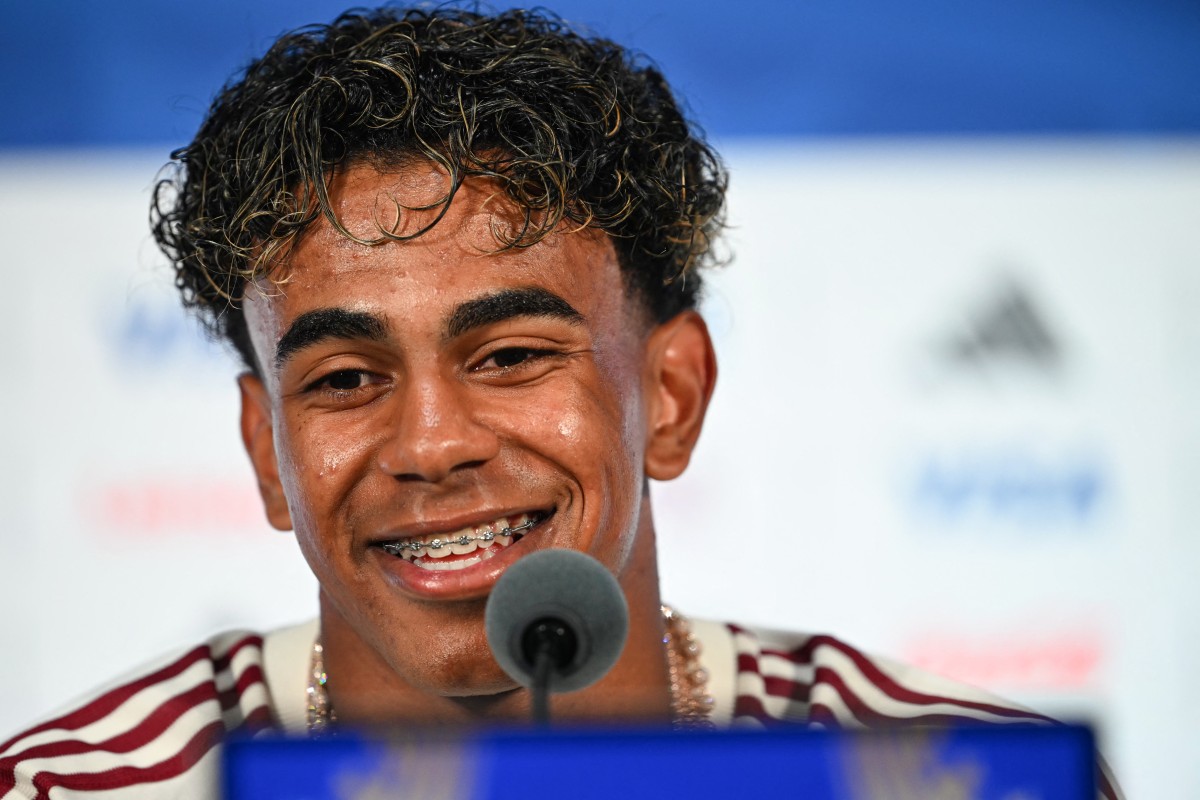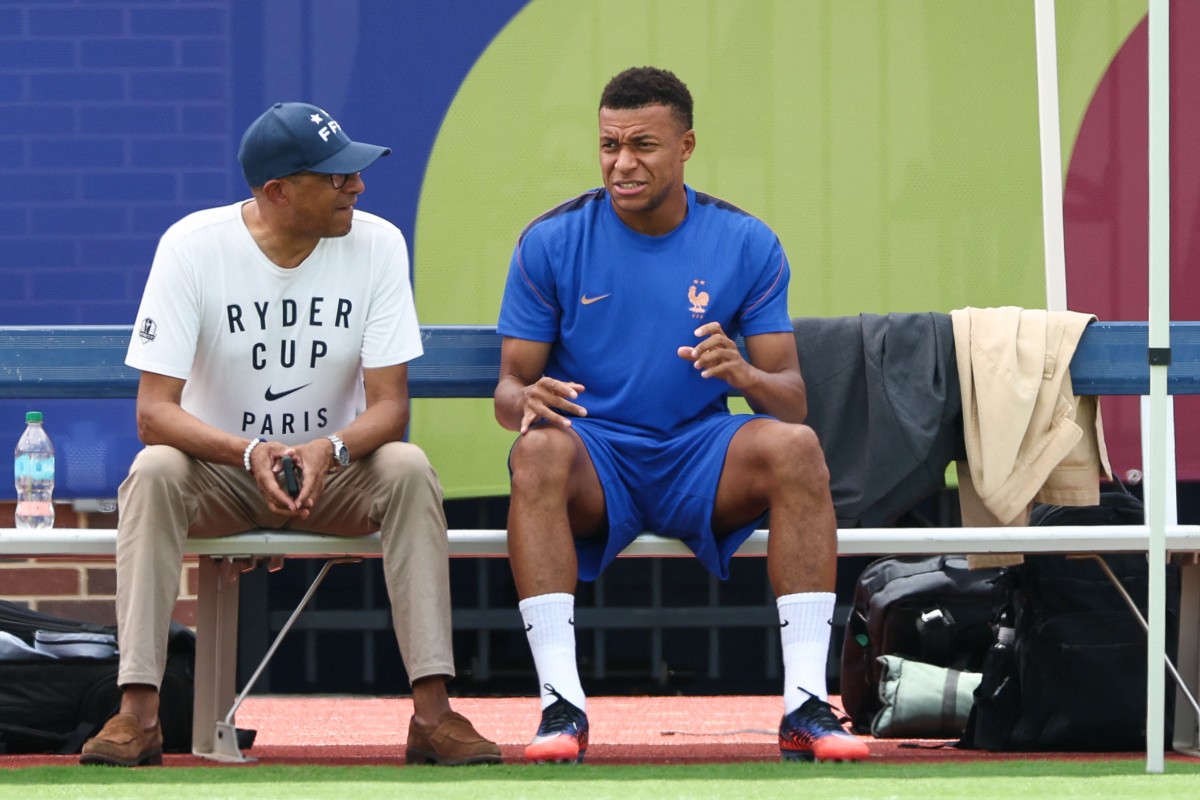
The 2026 FIFA World Cup has reached its business end, and whilst Spain, France, Argentina and England prepare for semi-final glory, the financial rewards for reaching this stage have already proven staggering. The four remaining nations have banked a minimum of $27 million (R445 million) each, with tens of millions more at stake over the next five days of competition.
Spain face France in Tuesday’s first semi-final on 14 July, whilst England tackle Argentina the following day, with Sunday’s 19 July final in East Rutherford set to crown a world champion, and deliver a $50 million windfall to the victors.
Record prize pool reflects tournament expansion
FIFA’s decision to expand the World Cup from 32 to 48 teams has delivered precisely what president Gianni Infantino promised when the changes were announced, a financial bonanza for participating nations. The total prize pool has ballooned to $727 million (R12 billion), representing a massive 50% increase on the Qatar tournament four years ago.
The expansion has increased the competition from 64 to 104 matches, generating additional broadcast revenue and commercial income that FIFA has filtered down through increased prize money. Infantino was delighted to declare the tournament “groundbreaking in terms of its financial contribution to the global football community, and the numbers back up that claim.
Each participating nation also receives $1.5 million to cover preparation costs before a ball is even kicked, ensuring even the earliest eliminations return home with significant financial compensation.
How the prize money breaks down
The journey to semi-final riches has been lucrative at every stage:
Group stage: $9 million (R148 million)
Round of 32: $11 million (R181 million)
Round of 16: $15 million (R247 million)
Quarter-finals: $19 million (R313 million)
Fourth place: $27 million (R445 million)
Third place: $29 million (R477 million)
Runners-up: $33 million (R543 million)
Winners: $50 million (R823 million)
By reaching the semi-finals, Spain, France, Argentina and England have already guaranteed themselves $27 million (R445 million) minimum. The two losing semi-finalists will meet in Saturday’s third-place play-off at Hard Rock Stadium, with the victors securing an additional $2 million (R33 million) to reach $29 million (R477 million) total.
The beaten finalists climb to $33 million (R543 million), whilst the champions crowned in East Rutherford pocket a humungous $50 million (R823 million).
Where does the money actually go?
The financial distribution varies by nation, but players do earn a sizeable chunk, with the amount each individual receives dependent on pitch time.
Players also earn a match fee per game, though this money has been donated to charity since 2007.
The vast majority of prize money, however, flows to the Football Association. As a not-for-profit governing body, the various Football Associations channel these funds into grassroots projects, referee development, facility improvements, competition organisation and numerous other developmental initiatives.
Semi-finals decide multi-million pound fates
Tuesday and Wednesday’s semi-finals therefore carry enormous financial implications beyond mere sporting glory. The difference between fourth place ($27 million) and winning the tournament ($50 million) represents a $23 million gulf, money that could fund youth academies, coaching programmes and infrastructure projects for years to come.
For Spain, France, Argentina and England, the next two matches represent not just the chance to reach a World Cup final, but multi-million dollar decisions that will shape their domestic football landscapes long after the final whistle sounds in East Rutherford.
The beautiful game has never been more lucrative.