The date 22 March is World Water Day, an annual United Nations observance day aimed at accelerating change to solve the world’s water and sanitation crisis. But this year on the following day, the 23rd, the UN will host an urgent water summit for the first time in 47 years, to urge governments, organisations, industry and every individual to keep up the fight for their right to clean water.
Clean water and unpolluted air are, of course, the planet’s most essential commodities for supporting human life in fact all life. But you wouldn’t think so when observing the disrespect of global industry and the slow pace with which so many companies are reforming their manufacturing and waste systems.
In countries the world-over, water is literally being poisoned hour by hour, with toxins either leaked or dumped, variously, into drinking water supplies, that include arsenic, lead, mercury, methane, benzene – sickening whole communities and collapsing entire natural ecosystems. All due to the greed and procrastination of profiteering industrialists and private corporations.
According to the multi-million membership of world-wide humanitarian and environmental awareness campaigners Avaaz (translating as the voice of the people), “billions of people round the globe don’t have access to clean and safe drinking water – the most basic human right.”
Towards finding and applying solutions the UN’s announcement of the water summit has been welcomed and has mobilised indigenous groups, and movements worldwide for this historic chance to be heard.
So it is hoped that governments internationally will reply to this deafening call for dignity, health, and water justice and respond without any further delays.Playing our part
World Water Day was first marked in 1993, but this year’s slogan is ‘Be the Change’ – as an urgent message to encourage every one of us to make a difference by changing the way we use, consume and manage water in our lives. “That”’ they say, “means you and your family, school and community.”
To support this theme, the summit’s action agenda – a voluntary commitment by governments, companies, organisations, institutions, coalitions, right through to members of the public in every country, state and province – is aimed at speeding up the progress of internationally agreed water and sanitation targets for all by 2030. Just seven years from now.
But, says the UN’s water agenda committee, the world is currently seriously off track towards reaching this target, and the latest data shows that governments must work four times faster to meet this seven-year goal on time.
Dysfunction throughout the water cycle is undermining progress on all major global issues, from health and hunger to education and industry, they say. So “Rapid transformational change is needed, and everyone can play their part. Every action, no matter how small, will make a difference.”Here at home
South Africa is also not without its water challenges across the country, especially when Eskom imposes stage-6 load shedding.
Water treatment expert Kevin Gast, who raised concerns about the country’s descent into what he calls “South Africa water’s eleventh hour”, refers to the 2022 Blue Drop Progress Report released by the Department of Water and Sanitation, which reveals that 52% of the country’s water supply systems are in the medium-to-critical risk category, while 60% have not achieved microbiological water compliance and 77 % have not achieved chemical water quality compliance.
But, as in every country, the water filtering and purification process is complicated, and the contamination problems are individual to each region, so methods of treatment vary according to the needs.
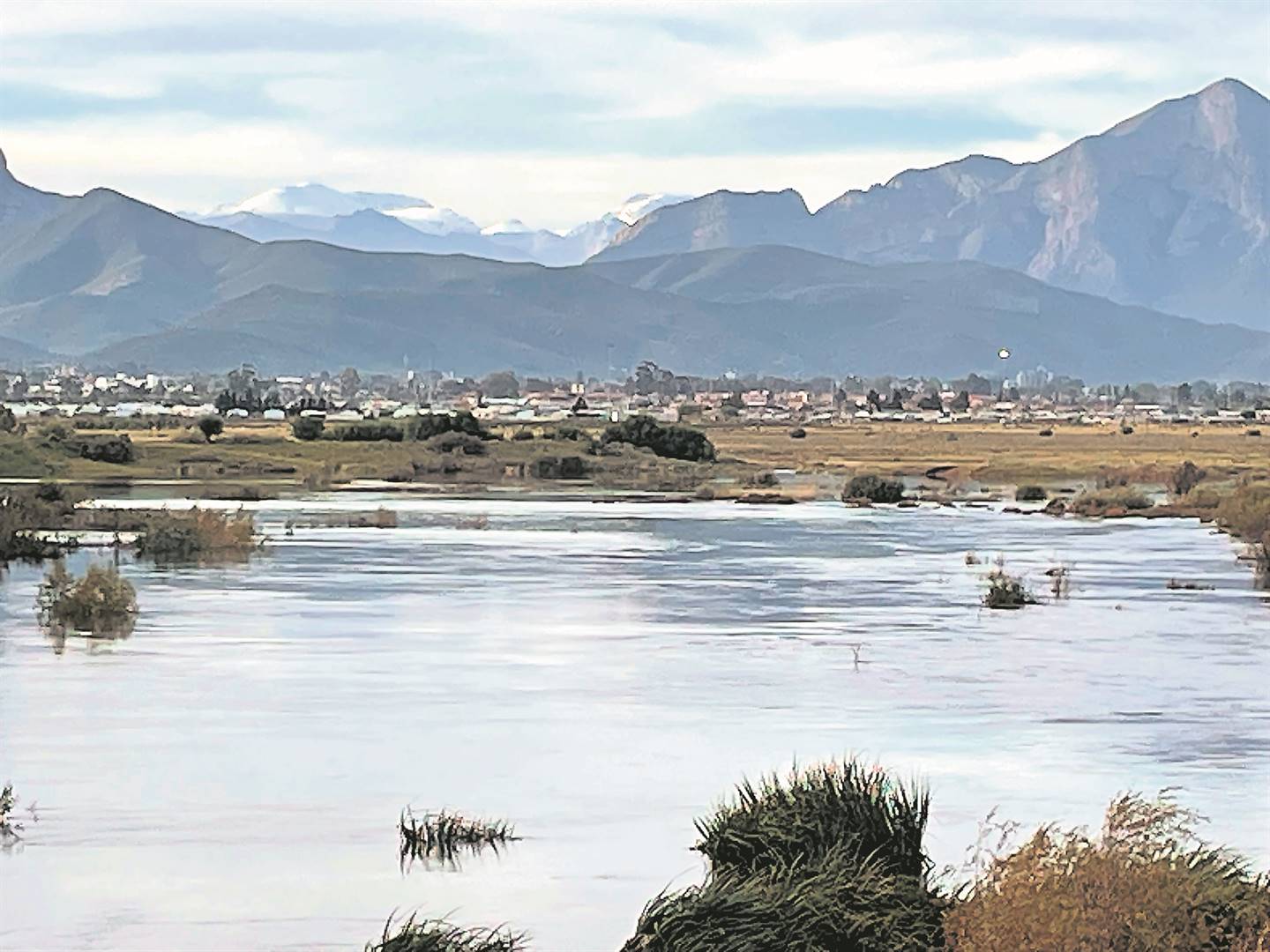
Here in the Breede Valley the municipality’s water and sanitation department is currently doing its best to rescue us from the problems caused by the heavier stages of load shedding (rolling power outages), which have placed a huge responsibility on municipalities nationwide to maintain optimum drinking water purity, resulting in the need for warnings to be sent out to the public to boil all drinking water.
This was done effectively through social media and also entailed a caring 4-wheeled ‘Town Crier’ to cruise our neighbourhoods with a commanding loudspeaker, reminiscent of the middle ages. No method of warning was spared.
Water purification is a multi-faceted process
While Gast offers a detailed breakdown of what is required for the full multi-faceted treatment process of water purification needed to deliver safe drinking water, he personally advises drinking approved sources of spring water meanwhile. (Avoiding “fly by night” bottled brands).
As a result of his personal research Gast claims to have come up with a water-treatment solution that works at a fraction of the cost without the over-use of chlorine and other chemicals, and biological or membrane technology, that has proved to be healthier in the long run. But it might take government a while to change lanes on this one.
In the meantime the BVM’s Water & Sanitation department is doing everything in its power to ensure the region’s water security and restore its drinking water to its highest possible purity level, but advises residents to continue boiling water used for drinking and food preparation.