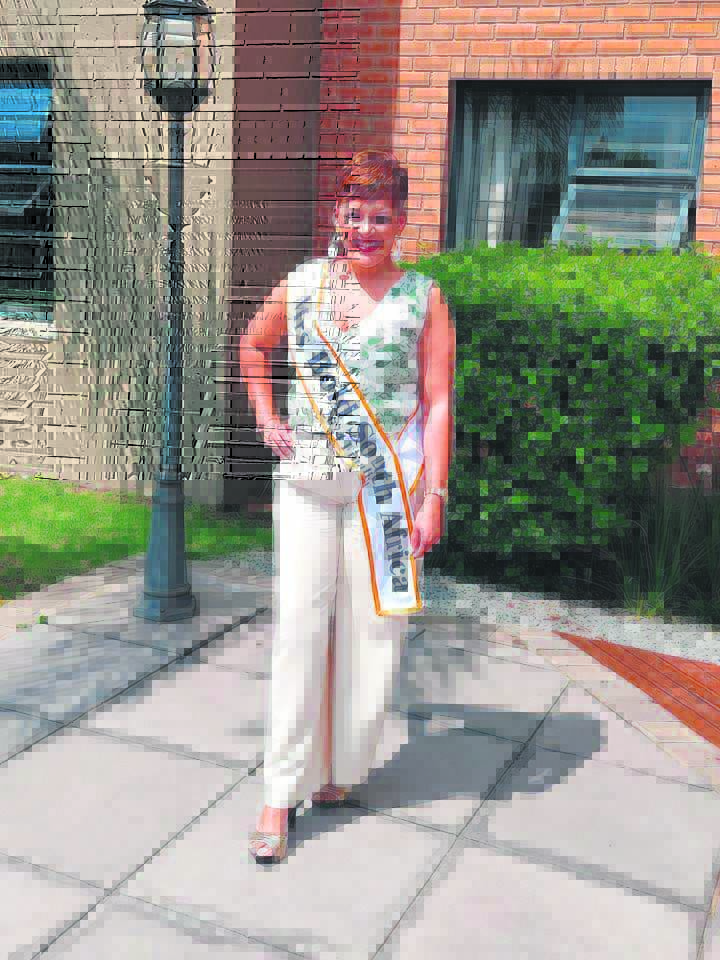
Growing up in Worcester as the eldest and only daughter, Yolanda Mhlakela learnt early on the importance of caring for others, a lesson shaped by her experiences growing up. This foundation naturally led her to a career in the humanities and social sciences.
“I’ve always been drawn to taking care of others,” Mhlakela explained. “Psychology became the perfect way for me to embrace empathy and care.”
Now registered with Employee Assistance Practitioner South Africa and working for Saldanha Bay Municipality, Mhlakela’s career is marked by significant achievements. She served as the youngest vice-chairperson on the Parole Board for Correctional Services in South Africa for nine and a half years. Recently, Mhlakela was named Employee Assistance Practitioner (EAP) of the Year by EAPSA’s Western Cape chapter. “This recognition is meaningful, but it’s a reminder that my work continues.”
Mhlakela’s leadership style emphasises partnership and empowerment. “Leaders are shaped by life experiences and attributes, not just qualifications,” she said. Her approach involves empowering others, valuing their input, and creating spaces where everyone feels heard.
In celebration of Women’s Month, Mhlakela urged women to believe in themselves and support one another. “We must break patriarchal systems and boundaries.” Her passion for mental health drives her work, especially in addressing men’s mental health and the social issues they face. “Unresolved childhood traumas often lead to harmful behaviours. We need more programmes to address these issues.”
Beyond her professional accolades, Mhlakela is committed to empowering the next generation, especially young girls. “I want to be remembered not just for my achievements, but for the impact I’ve made in communities. My vision is to transform societal norms and empower future generations.”
Mhlakela’s story is one of leadership, empathy and a commitment to lasting societal change. “I want my legacy to be defined by my contributions to mental health, my advocacy for empowerment and my dedication to creating spaces for healing and growth.”