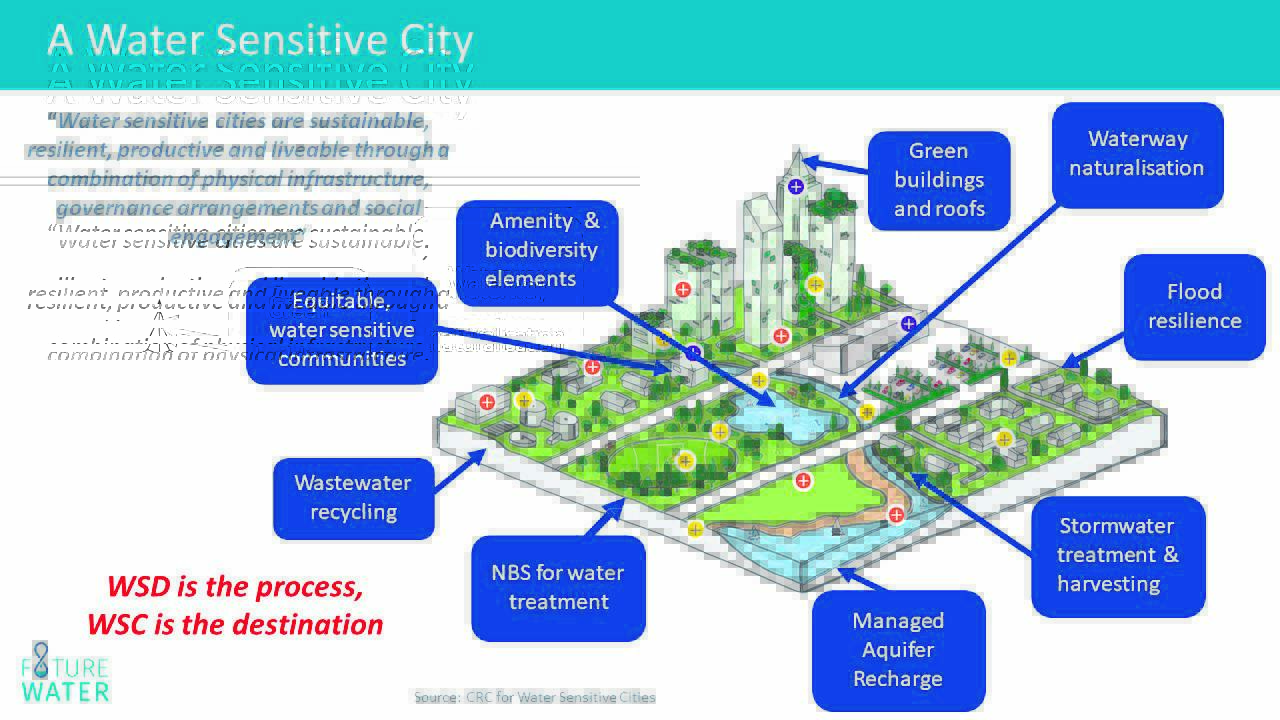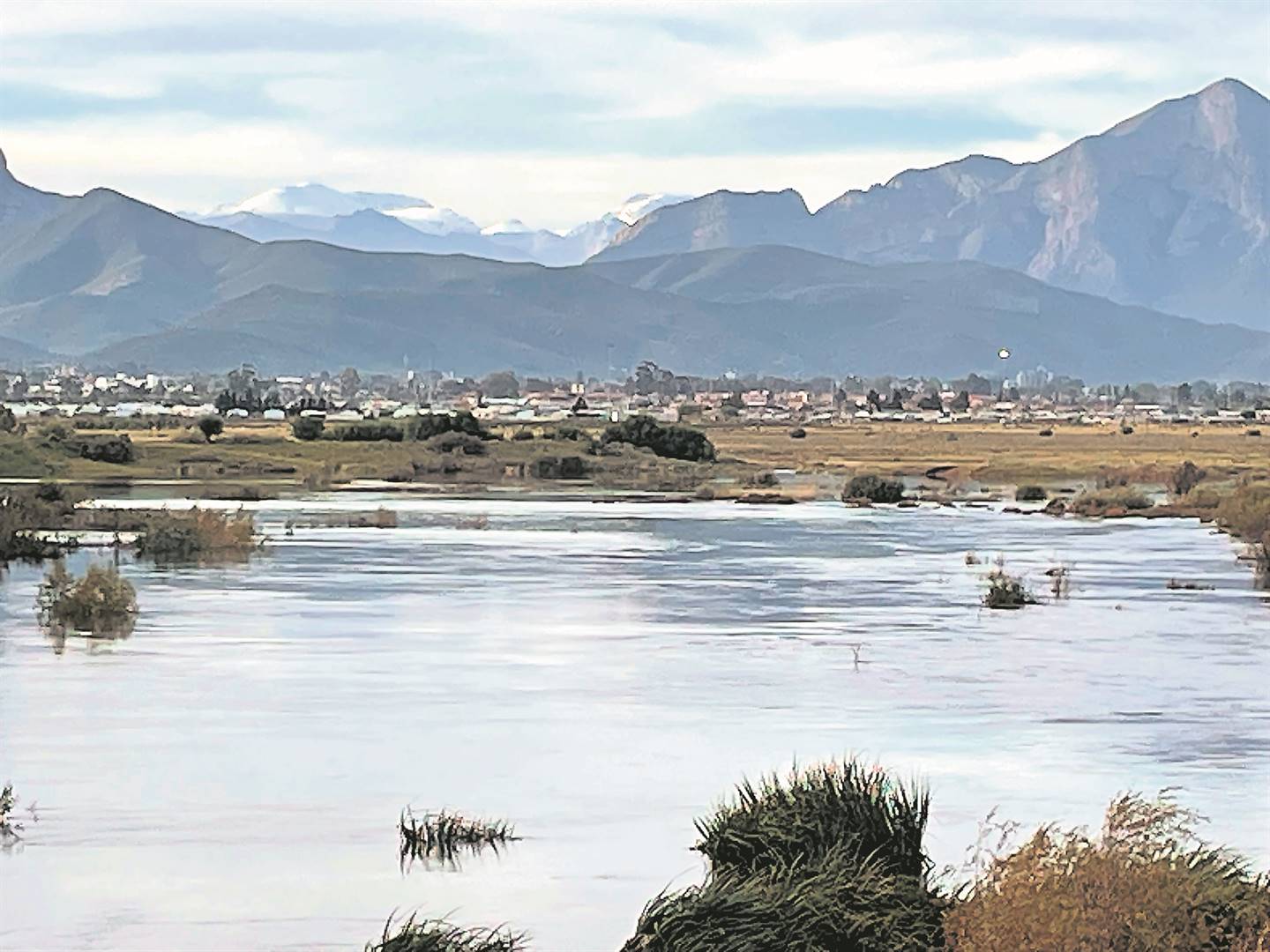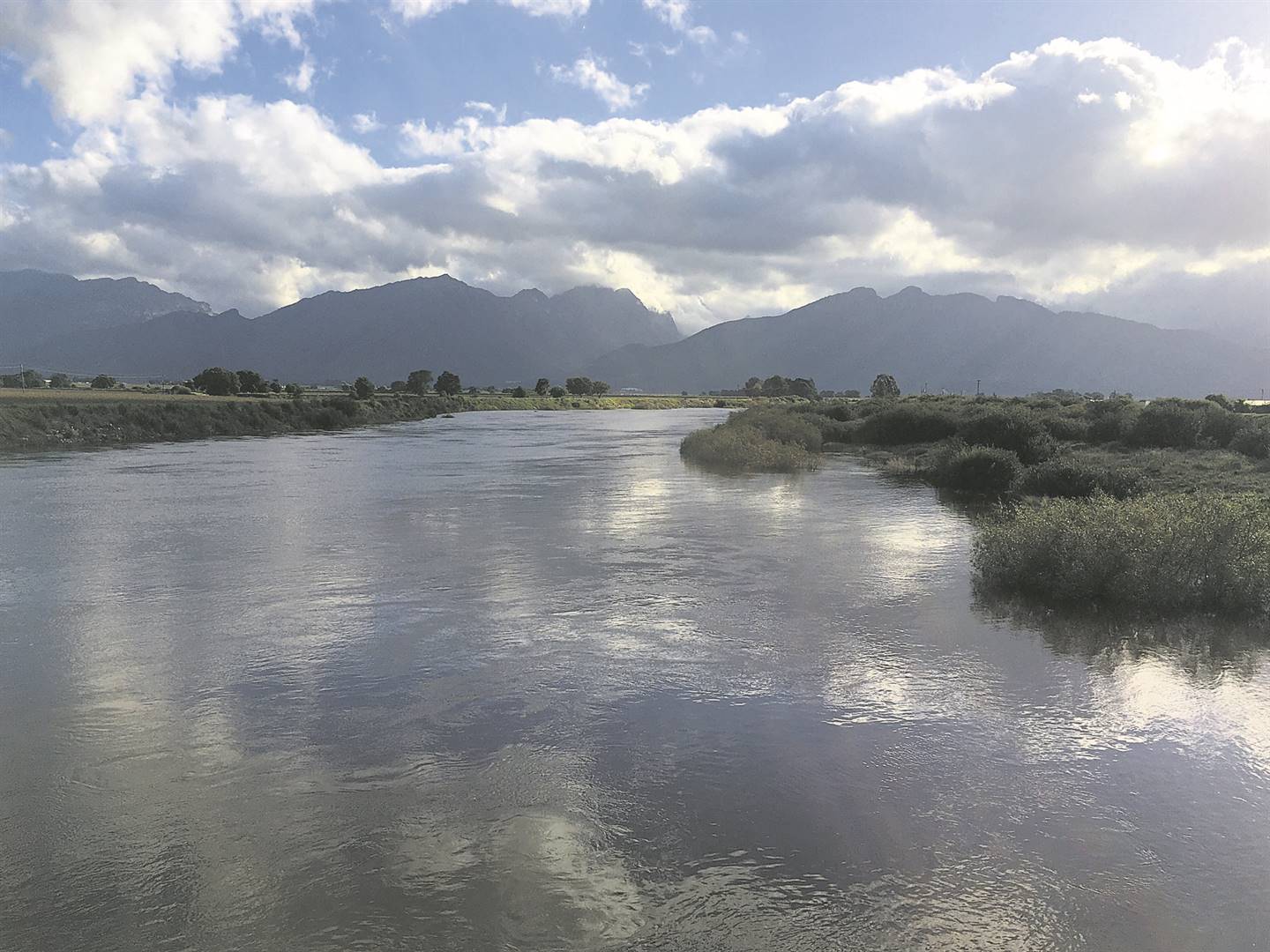
Re-designing our towns and cities to make better use of wastewater and urban spaces benefits people, the economy, and tourism appeal.
Since April this year Worcester’s water warriors and creative sector have been keeping an eye on a series of water-wise forums that have been live-streamed from Cape Town to water-design practitioners around the world.
Enabling designers, engineers, architects, and students to come together to discuss and spark new ideas on re-connecting with nature, and to understand the urgent need for more water-sensitive designs in our cities, the forum organisers also invited participants to submit design solutions.
The challenge resulted in impressive entries that provided more efficient ways for channelling and distributing natural water resources, and for the diversion of waste water and floods in South Africa’s most water-sensitive cities.
Launched in the current climate of unexpected weather patterns causing floods or water shortages, the #cocreate Blue-Green Cities Design Awards initiative, incorporating the project “Water in the City – designing African blue-green cities for all”, was supported by the Mission Network of the Kingdom of the Netherlands in South Africa, and organised by the Craft & Design Centre (CDI) in partnership with the University of Cape Town’s Future Water Institute, the City of Cape Town, and the Institute for Landscape Architecture in South Africa (Ilasa).
So successful was the response that the jury was able to shortlist 10 candidates for the Design Awards from across the board of community volunteers and students to seasoned professionals in civil and environmental engineering, architecture, landscape architecture, urban design and conservation.
The overall winner
The overall winner in the community-based project category was Indawo, Abantu, Injongo eKhayelitsha (Place, People, Purpose) located in the Griffiths Mxenge community of Khayelitsha, Cape Town. This project also won awards for the most valued water-sensitive innovation, and the water champion project.
A major challenge affecting the Griffiths Mxenge community was illegally-dumped waste such as single-use plastics, building rubble, medication and expired food – a widespread problem – which rainwater carried from the sidewalks and discharged into the storm-water system, impacting water bodies and the underlying Cape Flats aquifer. But after receiving water stewardship training as part of the project, waste removal solutions were found, and art and green space creation has aesthetically transformed parts of the community, in ways the jury felt is exemplary to other communities nationally that are facing similar challenges.
Prioritising pedestrians and tourists
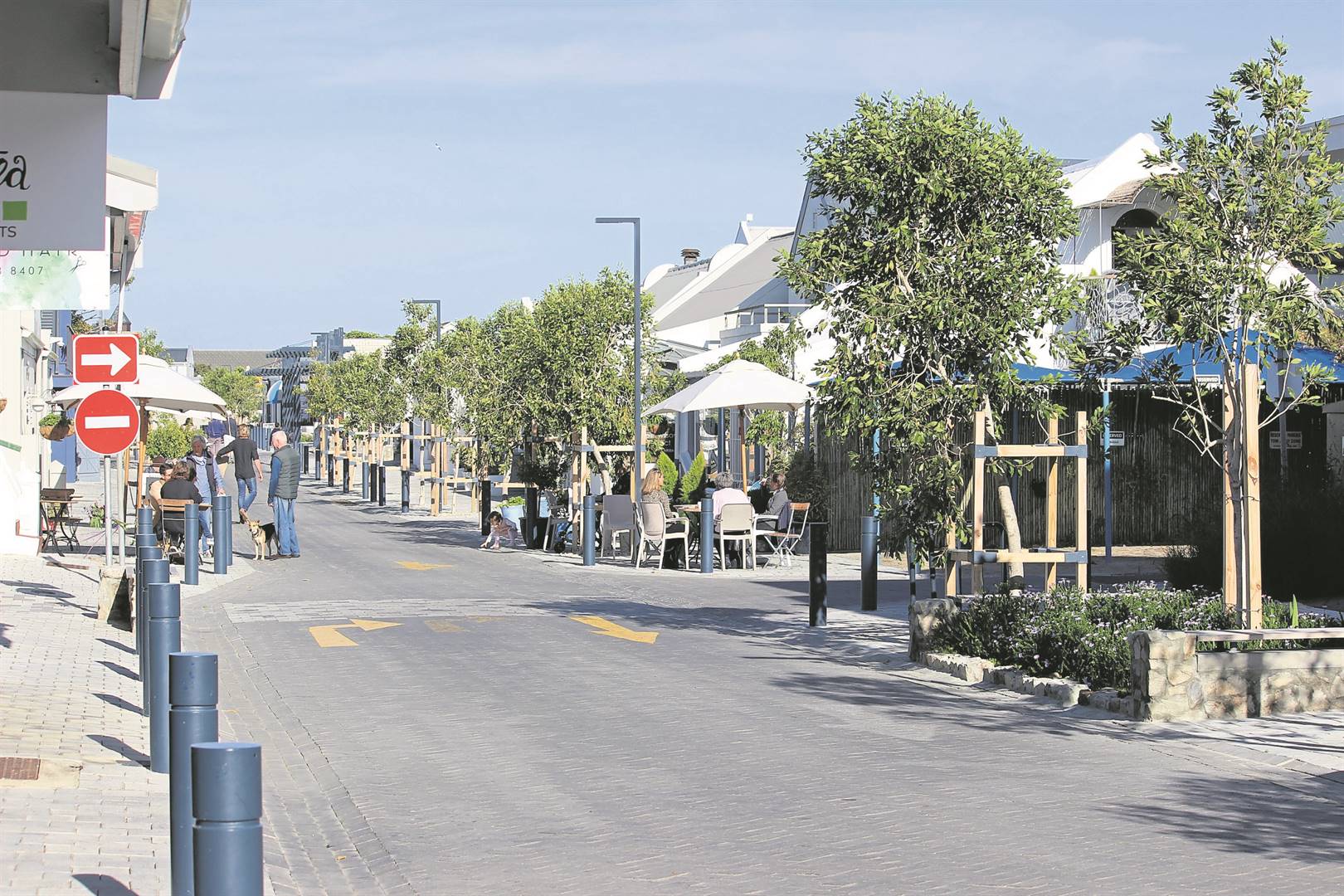
In the category of “Best use of water as a design informant”, runner-up winner, the popular tourism town of Hermanus, prioritised on pedestrians and increased tourism appeal by upgrading the High Street from a tarred, car-dominant road with seasonal flooding, into a paved, shared street where shoppers can stroll leisurely and businesses such as cafés, retailers, and stalls can thrive.
Completed by Gapp Architects and Urban Designers, the town’s key business street was upgraded with a dual (hard and soft) storm-water system which includes kerbside SUDS (sustainable drainage schemes), trees and planted infiltration areas, and is now an inviting precinct where cafes spill out onto the extended paved areas, increasing visitor appeal and business turnover.
A tourism attraction for Worcester
Appraising the potential of some of the award-winning designs for application in Worcester, Cllr Nik Wullschleger, in his capacity as spokesperson for Worcester’s small business skills incubator project, applauded the Hermanus High Street design, saying that a similar concept could be applied to local streets like Porter or Stockenstrom Street – “their redevelopment could act as catalystic development attracting tourists to the town, while also bringing more feet and business to shop owners and market traders, and opening up the streets to buskers, coffee shops and stalls that sell arts and crafts.
“Planting more trees and letting canal water run down in the middle of the street, for example from Church to Russell or even Durban Street, down Stockenstrom Street, would greatly enhance pedestrian safety and appeal.
“I especially like the idea of having trees being sustained by the furrows, and the storm-water that flows into basins around the trees, in this way water can be cleaned, trapping pollutants and litter, while watering the plants and trees at the same time.
“It is very encouraging to see this type of green development happening in Hermanus, we in Worcester now have an excellent example to follow”.
The Design Awards project has been acknowledged as a major milestone in water design and management which is replicable by municipalities across the country.