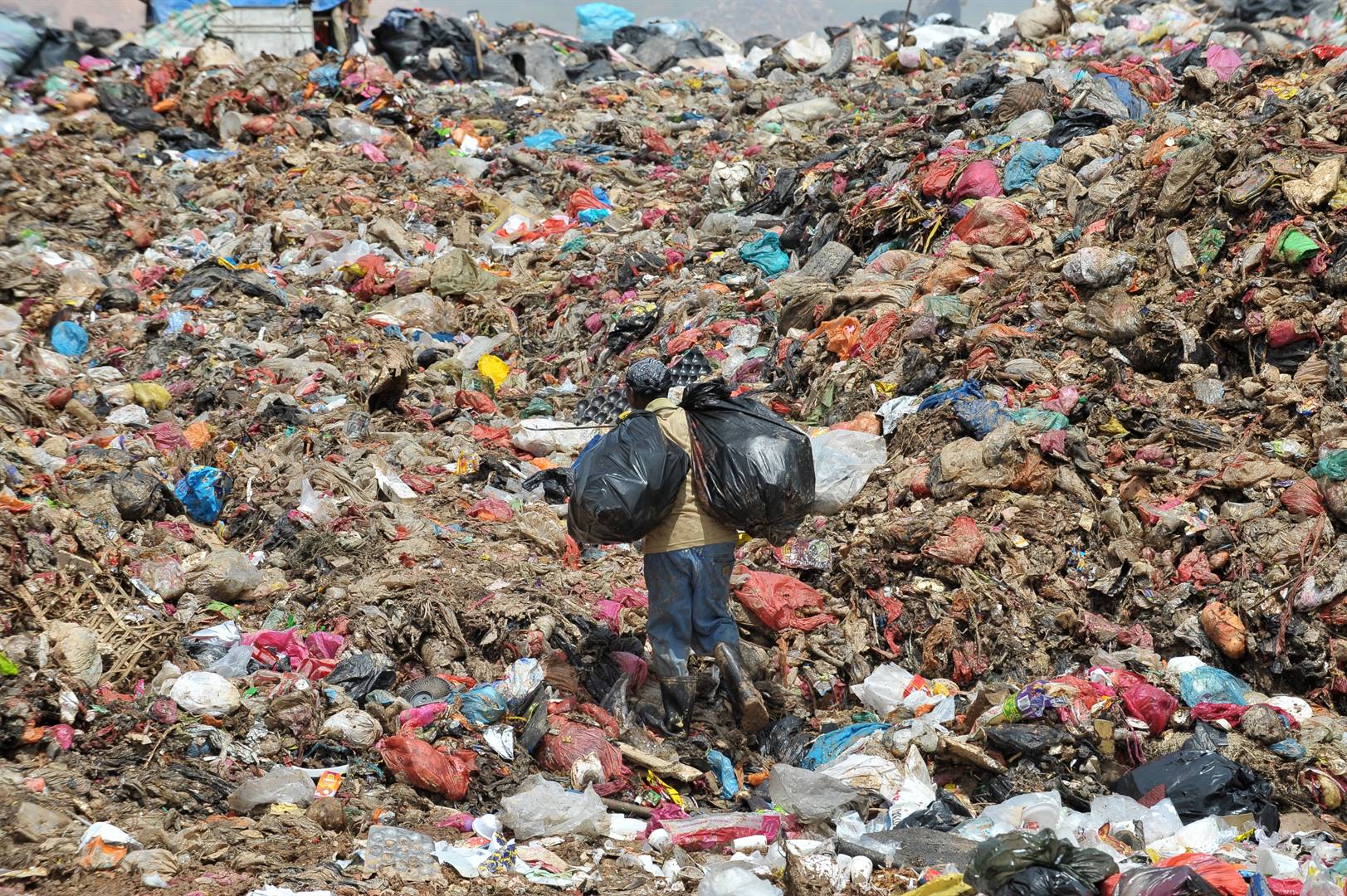
This month marks 50 years since the first international conference was held by the United Nations Environment Programme (Unep) on the human environment.
The three main focuses this World Environment Month are: climate change, biodiversity and deforestation and turning landfill waste into biogas to reduce greenhouse gasses, which impact on the world’s most vulnerable communities.
In South Africa it is estimated that current and developing biogas projects are valued at between R52 and R250 billion.
With South Africa considered one of the world’s most vulnerable developing countries and already experiencing the impact of climate change through localised floods, heatwaves and wildfires, and prolonged droughts that are impacting on lives, food security, and infrastructure, this year’s campaign of “Only One Earth” has been suitably themed “Living sustainably in harmony with nature”.
Cape Town keeping up with global trends
Globally, waste is now starting to be looked at as a planetary investment commodity – taking recycling to ultimate end benefits.
Sweden has been a leader in waste-to-energy production for more than 20 years.
And Singapore is making waste work by converting the left-behind metals, known as slag, from their waste-to-energy project into pavement slabs to reduce municipal costs on public footpath installations and maintenance.
South Africa’s Western Cape is also wasting no time on the eco front and, in the footsteps of the New Horizons waste-to-energy plant launched five years ago in Athlone, the latest project has just been launched at the Coastal Plain plant in Cape Town.
The City’s Mayco member for energy, Cllr Beverley van Reenen, told Standard: “The City of Cape Town is accelerating its renewable energy programmes in an effort not only to end load shedding in Cape Town over time, but also to do so in a manner that is environmentally sustainable.
“Waste-to-energy is part of our renewable strategy. Earlier this year, mayoral committee member for urban waste management, Alderman Grant Twigg and I visited the City’s landfill site where we are turning waste into electricity.
“The complex process of turning waste into energy involves the combustion of landfill gas, which is primarily made up of methane.
“This push for renewables has positioned Cape Town as the leading city in South Africa striving for energy independence and environmental sustainability.”
Elsewhere in the country
But South Africa as a whole is now focusing on looking for solutions to restore climate balance and subsidise power deficiencies. Recently, Johannesburg Executive Mayor Dr Mpho Phalatse, herself a medical doctor, opened the Johannesburg Energy Indaba as a two-day platform to invite suggestions from energy experts, scholars, engineers, potential independent power producers, small-scale energy generators, alternative power producers, and government representatives towards finding solutions to rolling blackouts from Eskom’s roller-coaster supplies.
The theme of the conference was “Re-imagining Energy”.
Under discussion were the City’s plans to install solar panels at residential housing developments, the establishment of solar farms across Gauteng and the creation of green jobs through waste-to-energy projects producing biogas and natural gas as an alternative source of energy.
Waste-to-energy processes not only help alleviate waste problems, but contribute to the power grid and reduce greenhouse gases that contribute to climate change.
Said City of Johannesburg media spokesperson Isaac Mangena: “The aim of hosting the indaba was to partner with independent power producers and small-scale energy generators to alleviate rolling blackouts and move away from dependency on Eskom to ensure other sources of energy, such as through the conversion of waste – so waste isn’t wasted.”
Apart from the value of Johannesburg’s indaba to the country from all the collective input, it has also set the pace for the big Africa Energy Indaba to be hosted by Cape Town at the CTICC in March next year, and will be in a position to offer significant input.
Safe, healthy and sustainable
Worcester’s Cllr Nik Wullschleger explained in last week’s edition of Standard that both naturally produced landfill gas – which can be optimised by extracting, concentrating and combining suitable waste materials – and plastic waste – which can be converted to liquid fuels – could be put to good use by cities and towns embracing waste-to-energy solutions.
“But all waste must be managed through processes that will ensure a safe, healthy and sustainable environment so that the rights of individuals are protected.
“This right requires that all stakeholders must accept co-responsibility for minimising waste impacts optimally, to ensure environmental sustainability.”
Waste-to-energy solutions are not limited to the production of biogas. Plastic waste materials can also be used to communities’ advantage through a process called pyrolysis, or catalytic pyrolysis.
This is a process by which waste materials can be converted to fuel at high temperatures in an inert atmosphere.
Says local councillor Nik Wullshleger, who has a Bachelor of Science degree in Oceanography and Climatology and a Bachelor of Science Honours degree in Geology: “Plastic waste can be converted to liquid fuels by taking plastics back to crude oil, which can then be refined again into various useful components.”
Through this process huge amounts of plastic waste can be eliminated and converted into three forms of fuel.. The first is light distillate oil, used for furnaces, boilers and diesel engines.. The second is as hydrocarbon gas, which is considered an extremely useful product for running the boiler at the pyrolysis plant.. The third product that can be achieved through pyrolysis is carbon black – a fuel similar to coal, which can be burned in some steam boilers and in firewood and other boilers, just like any solid fuel.