In the Karoo Desert National Botanical Garden of South Africa, splendour can be found in every season.
Here, you will see nature exemplifying its quest for survival. Despite the fact that it hasn’t rained for months, these gardens are well-maintained, giving us a sanctuary in nature where one can escape to soak up the wonders of Creation.
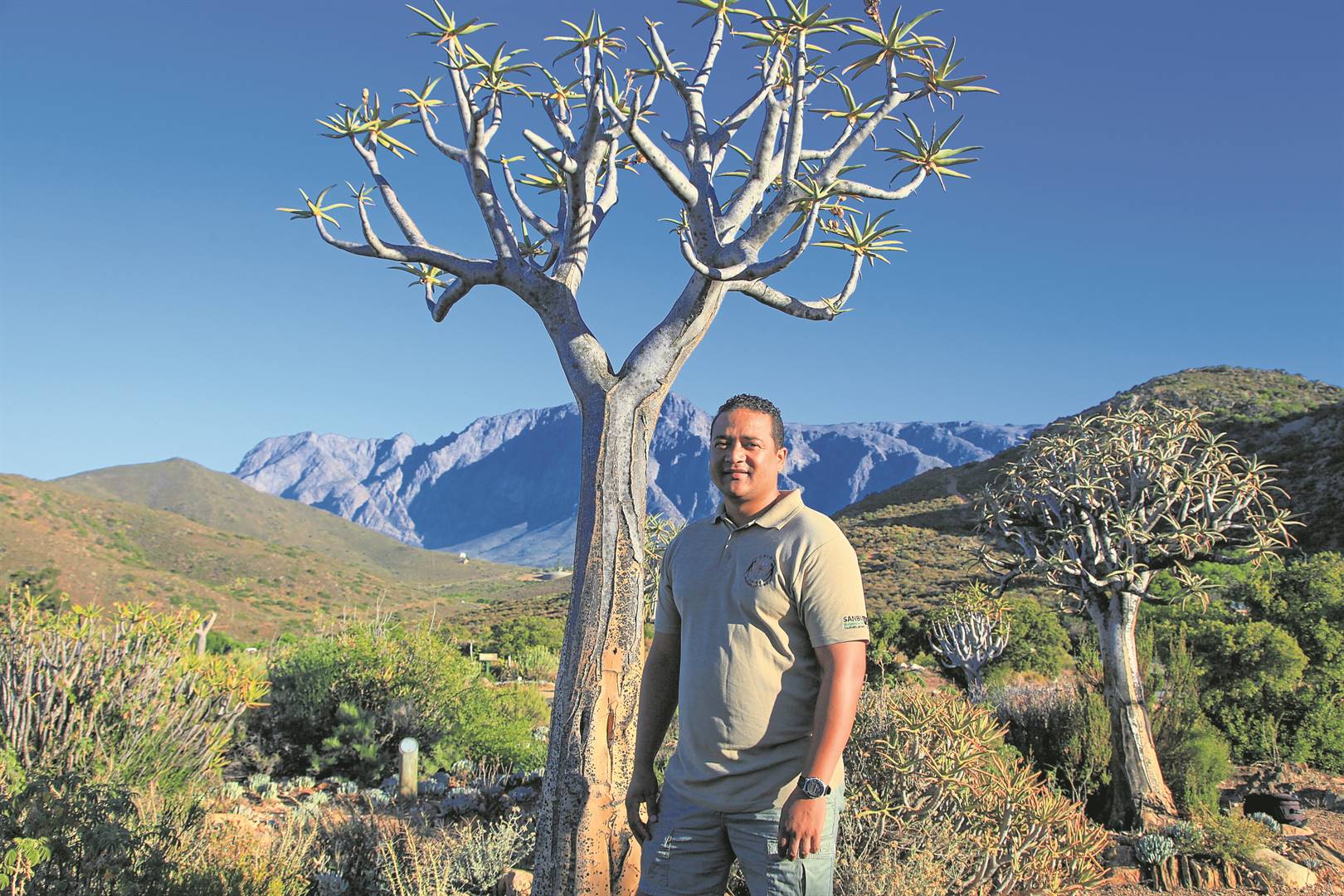
The curator, Ricardo Riddles, has been with the South African National Botanical Gardens (SANBI) for 12 years and has recently become the curator of the Karoo Desert Garden.
As a young man, Ricardo had no idea that he would become a horticulturist one day. He recalls, however, that as a child in Still Bay, he was surrounded by plants. “I can remember my first job as a child was to pick dry Proteas with my gran. It was God’s intervention that put me on this path.”
In answering questions posed to him, one gains insight into this man’s gentle heart and knowledge.
What inspires you to get up in the mornings and go to work? “The tranquility and the atmosphere waking up in the garden and the friendly staff.”
What are your concerns about the future of South Africa’s flora and fauna? “I am a bit concerned about our vegetation, especially regarding plant poaching and the authorities not providing enough support. Climate change is inevitable, and we can only assist by identifying our critical species and bringing them to our Botanical Gardens, which act as a safe haven for the propagation and conservation of all endangered species.”
The rising demand in Asia is impacting South Africa’s rare species of succulents, explains Ricardo. It has been described as “succulent fever”, where very small succulents and plants that look like bonsai are in demand by poachers.
By combining the passion of horticulturists and botanists, The Karoo Garden ensures that these tiny succulents have a helping hand, with pollination and separation so they do not hybridise. Currently, the team is trying to identify where the confiscated rare and endangered succulents originated from so they can return them to their natural habitat.
Being a horticulturist, Ricardo enjoys working on their indigenous succulents. “I believe that there is so much potential to better our propagation skills and understand ‘difficult to grow’ flora.” He says that we should all be playing our part to protect our biodiversity. “Follow legislation by not removing plants from the wild, promoting native flora in your garden, and reporting illegal plant poaching.”
In the Karoo Garden, you can discover fascinating facts about the unique features of living organisms, their design, and their purpose in benefiting one another.
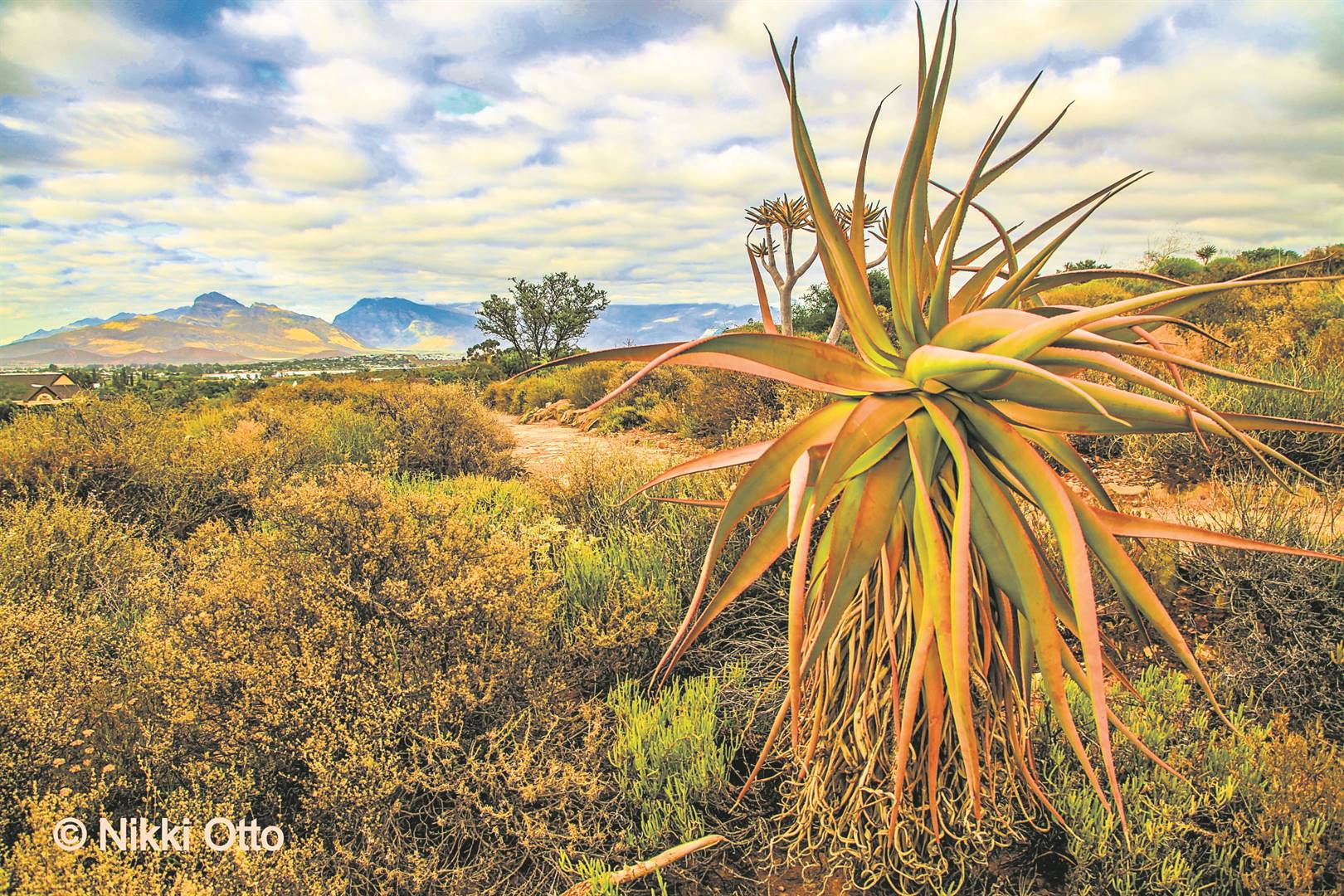
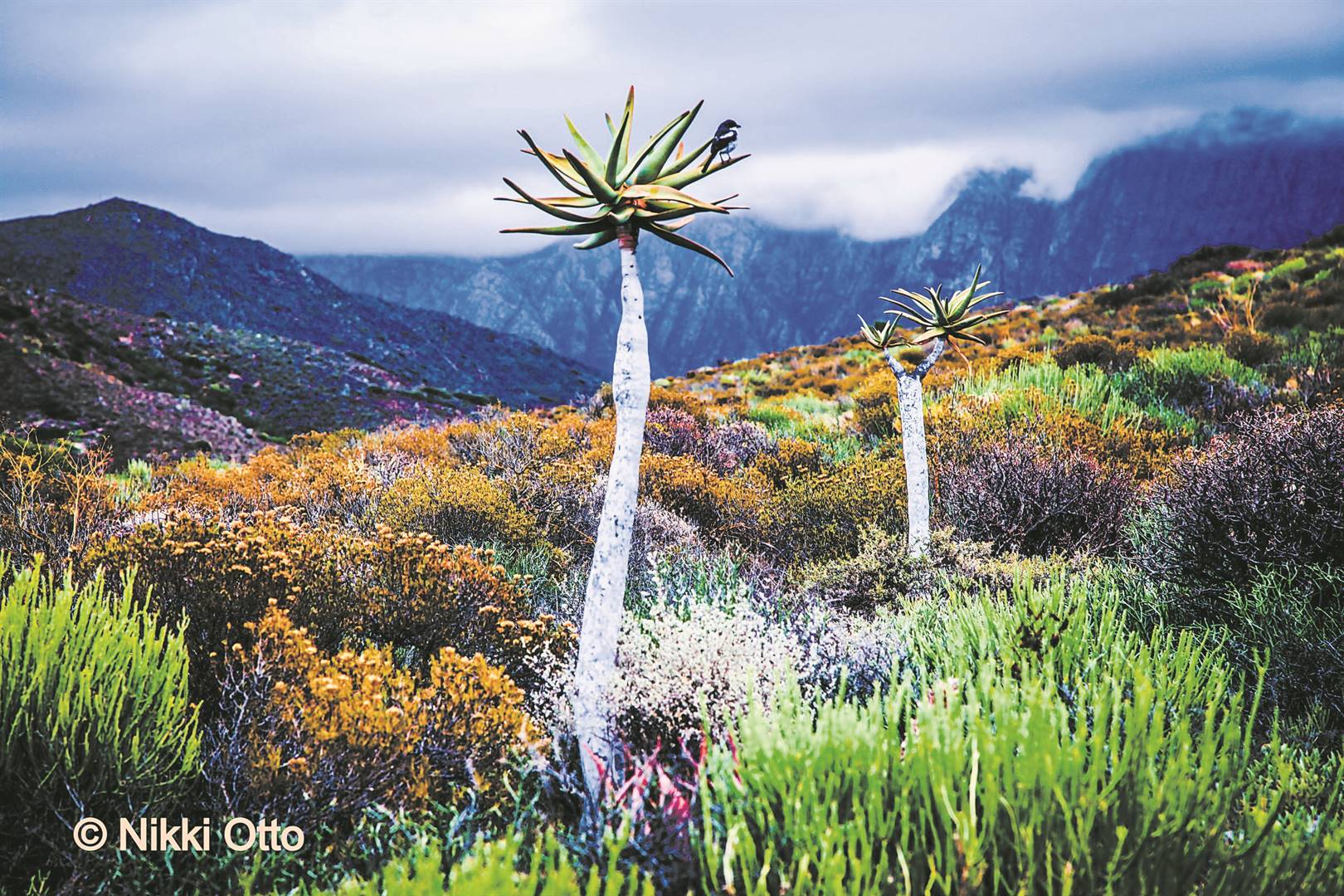
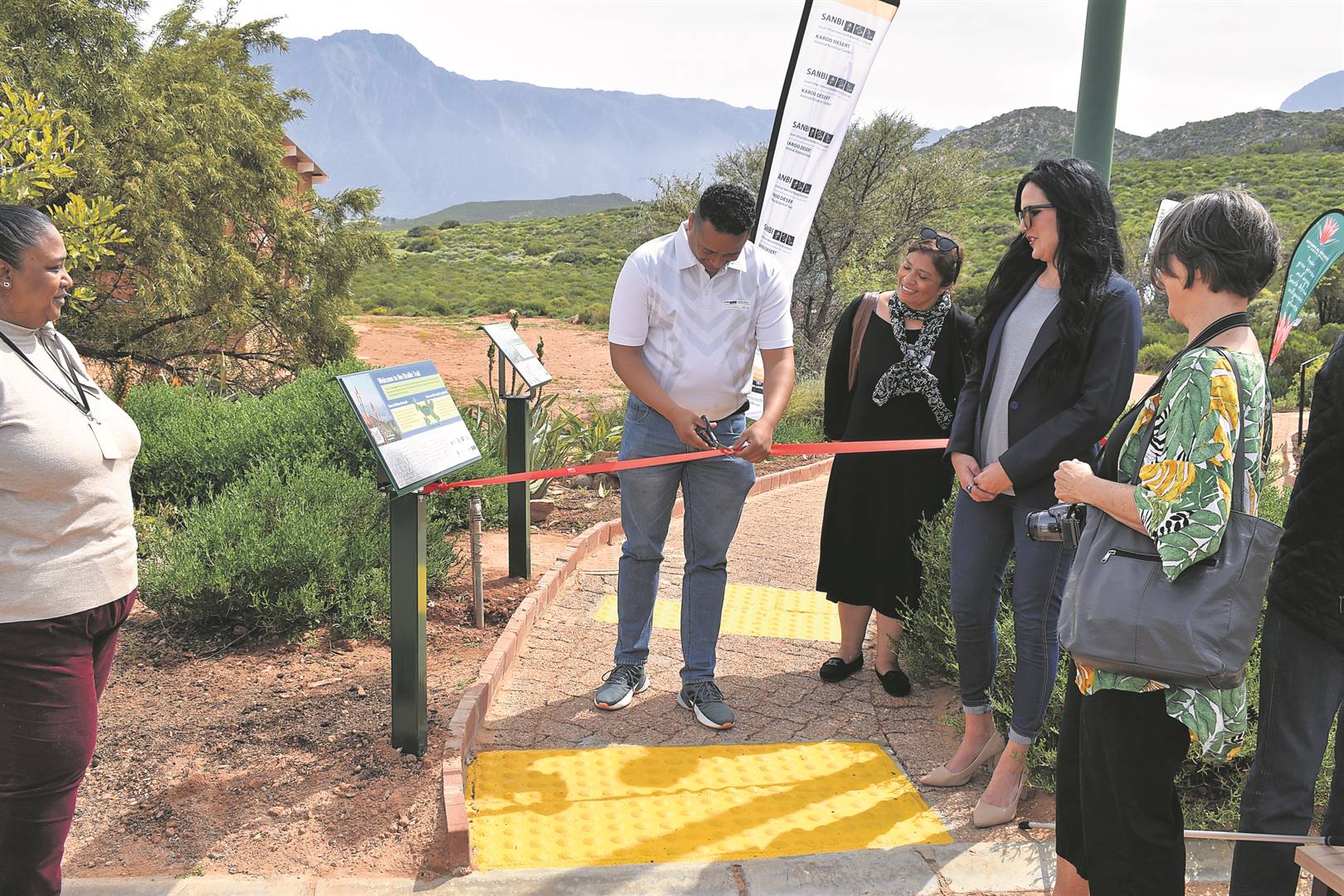
“All of our suppliers are based locally,” says Ricardo. Their biggest challenge is lack of funds. “We have several infrastructure projects underway to improve the housing of our succulent plants, as well as garden projects to improve the visitor experience.”
And the biggest highlight is viewing the critically endangered giant quiver trees – called kokerbome in Afrikaans – and Ricardo is a huge fan. “I find them amazing, they look like plants from the dinosaur age. San hunters made quivers from hollowing out of the branches of the quiver tree”.
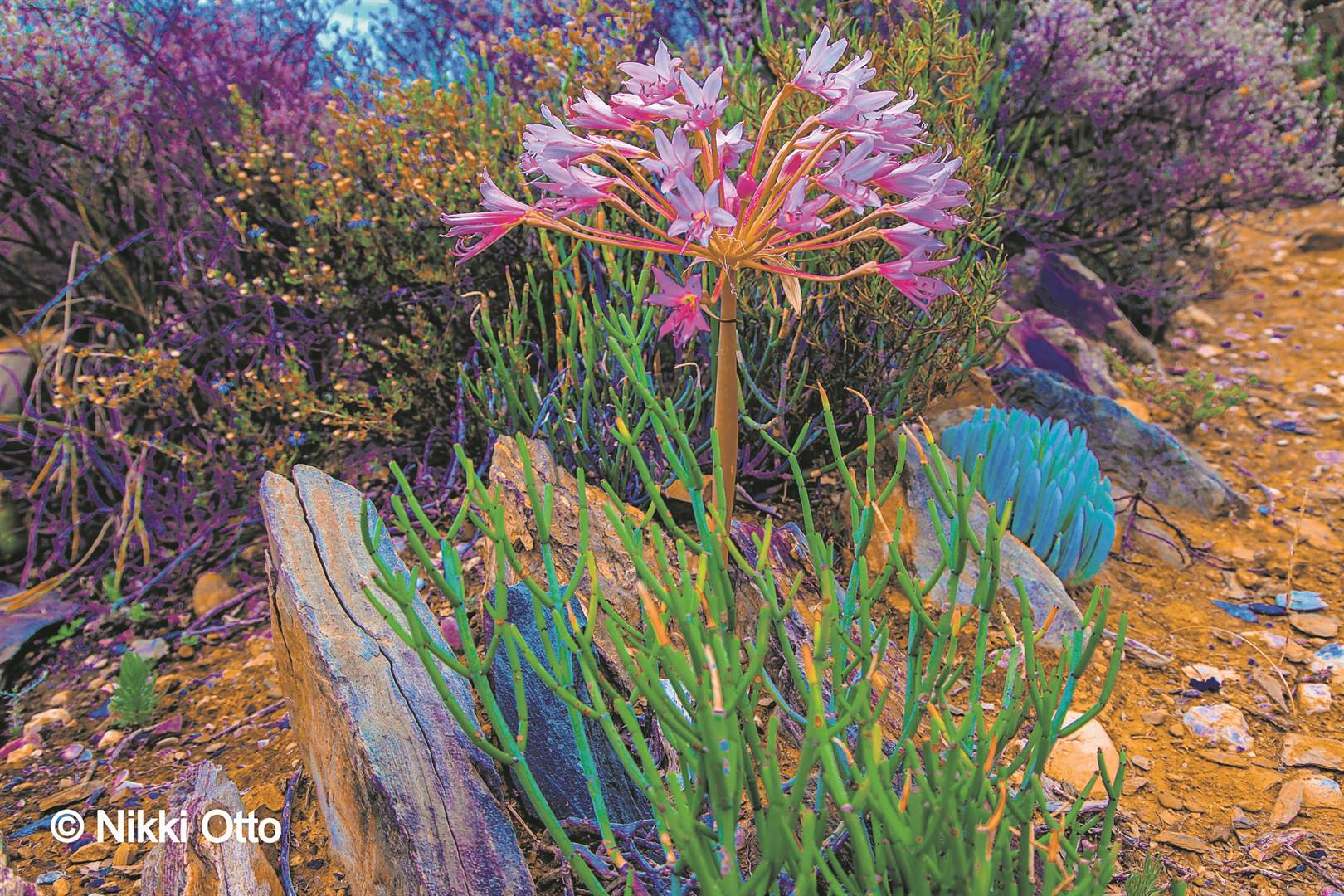
In a few months an array of vygies and other Namaqualand daisies will be in full bloom and, for a month or so, the Karoo Garden will transform into an art studio.
“I hope you will be inspired to visit these gardens all year round. After all, how can we appreciate the valleys if we haven’t experienced the desert?” says Ricardo.V Nikki Otto is a freelance writer, photographer and blogger. Visit her site at readyfeet.wixsite.com/nikkiotto