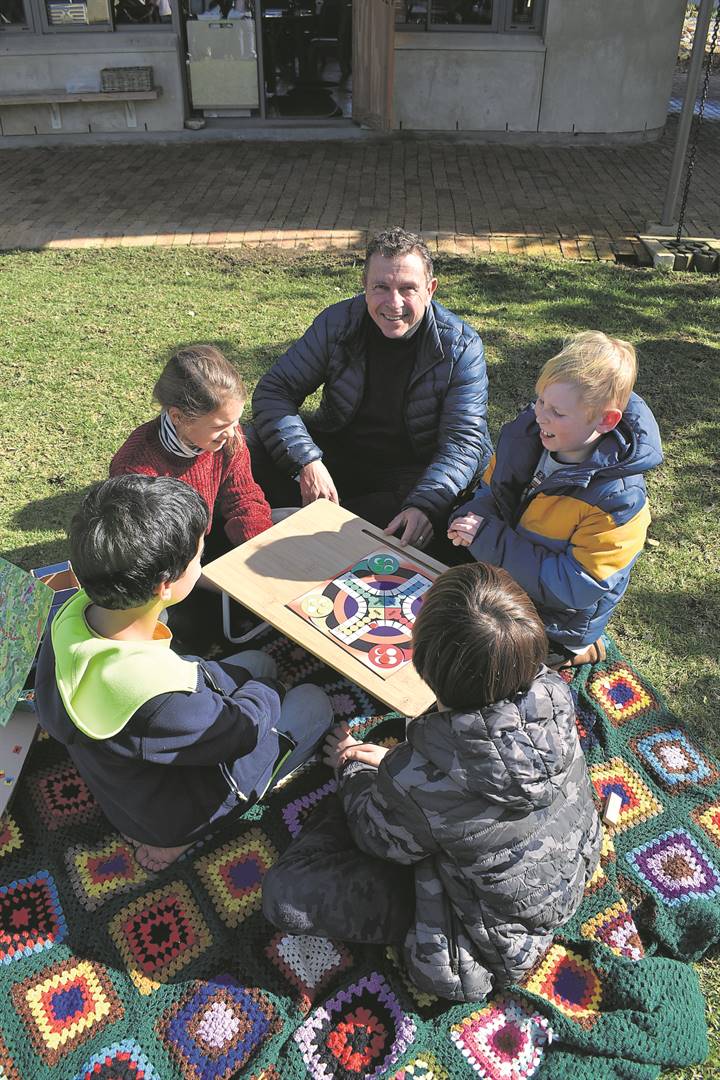
The world is changing – not just socially but environmentally – and people are starting to realise even education systems need to be adapted to produce tomorrow’s leaders and planetary caretakers.
Recognising the importance of this, a unique and forward looking South African “Green School” was launched in February last year in the beautiful mountainous surrounds of the Paarl-Franschhoek valley. It offers a new education system based on a more integrated and holistic approach to children’s growth and development amid efforts to heal the planet socially and environmentally.
Raised to ‘be the change’
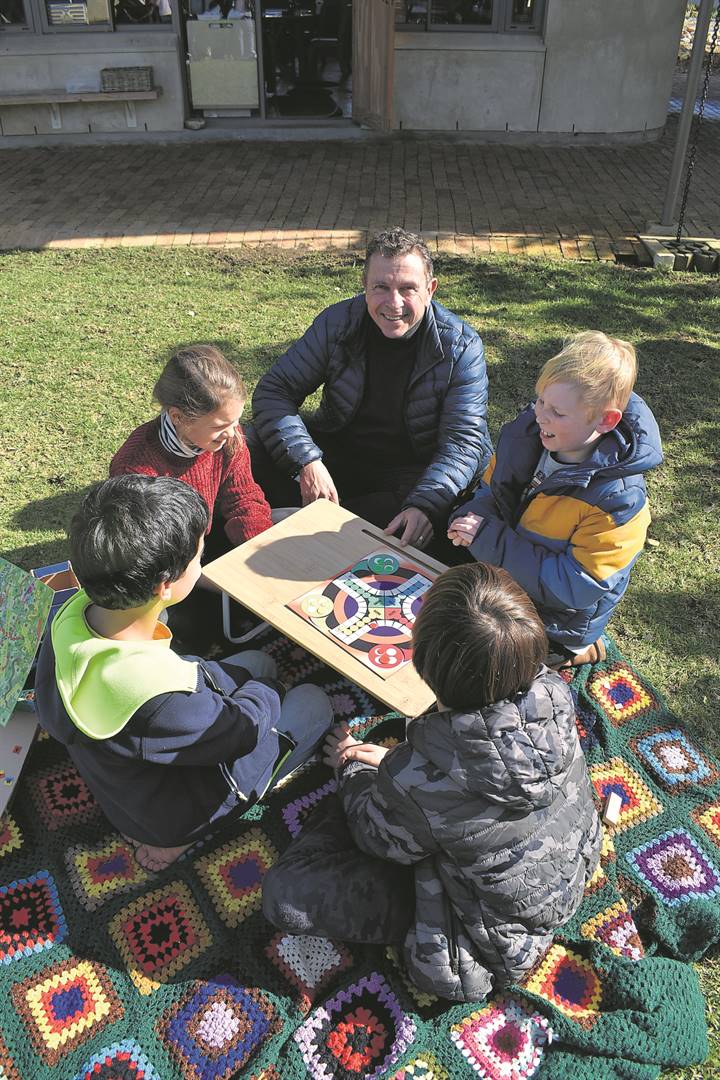
The school encourages children to enjoy closer contact and participation with nature and to become more aware of their social and environmental role in the world.
“We were fortunate to be able to enrol our children in an international green school in Bali, and their joyful experience inspired my dream to start a school modelled on those lines here in South Africa,” says co-founder Alba Brandt.
“And in 2021 I’m happy to say that, after overcoming a few initial challenges, that dream has come true!”
Now part of the Global Green School Network, which was founded in Bali in 2008, the school has already attracted learners from across South Africa, as well as international learners from Japan, Kenya, the US, Spain and Portugal.
Brandt says children of all cultures are welcomed from the age of 4 to grow in harmony with nature through a uniquely green education system that takes them right through to Grade 12, when they are then in a more informed and empathetic position to focus on the protesting climate.
“At kindergarten we don’t introduce negatives, but provide a play-based curriculum immersed in a natural environment where children can relate to animals, birds, butterflies, flowers, and trees, even becoming aware of their sense of smell in nature.
“The focus is on the beauty, joy, and wonder of nature. And by identifying with all the positives they learn to love nature and instinctively want to protect it.”
Right from the beginning, the children also learn about planting, pruning, growing, and picking plants and vegetables, which they can then take to the school’s kitchen to cook and eat it.
After that, the peels and leftovers go through a bokashi liquid composting system to go onto the compost for the garden. This way they become involved at every stage of the cycle, and don’t even want to waste any organic matter.
Influencing the market
At primary school level the children start to learn about small problems for which they can create answers, such as what to do about different types of waste.
Instead of providing bins for organic waste, the school places wheelbarrows around the campus. “A wheelbarrow has a very different connotation from a bin,” Brandt says. “A bin suggests ‘something you throw away’, whereas a wheelbarrow suggests something one looks after and reuses.”
The organic waste is then reused for compost, with the added advantage of providing fuel for the school’s heating in winter. Other waste, such as plastic and non-perishable materials, are separated for recycling at source.
By becoming aware of non-biodegradable packaging on bought items, even the primary school learners realise they can influence the product market by refusing to buy food in plastic wrapping.
In the higher grades, excursions to recycle centres and landfills will contribute to the learning experience, says Brandt, and by their matric year leaners will study the causes and effects of climate change, “and be able to offer behavioural solutions.”
The timetable is carefully balanced to include maths, science, and languages as well as the arts and music.
The outdoors is enjoyed as an extension of the classroom, even to teach subjects such as science and maths. To learn about fractions, the learners may even bake cookies! And to understand how the water cycle works, they head back outdoors “to play with it”.
Green buildings too
The school is designed and constructed to the Living Building Standard (LBS), which requires buildings to be “regenerative”. The school must produce 105% of its own electricity feed power into the grid.
Through its water management systems that treat, filter and reuse all water on site, the school can give back to the river and groundwater aquifer more water than it takes out. It also maintains a zero-waste landfill site, even while taking in waste from neighbours and the community.
The school’s management also ensures no harmful chemicals are procured or contained in items such as glue, markers and cleaning materials.
In the rural surroundings, indigenous endemic flora has been re-established to reignite biodiversity, and vegetable gardens, fruit tree forests, and medicinal and herb gardens have been established on campus.
Children are encouraged to enjoy the campus and surroundings thoroughly throughout the day and are served a nutritious meal cooked in the school’s health-conscious kitchen.
The school’s structured strategy is based on author and environmental educator David Sobel’s book Beyond Ecophobia – Reclaiming the heart in nature education. The book encourages in children an intrinsic desire to protect what they have come to love, so that they are more empowered to prevent cataclysmic change.