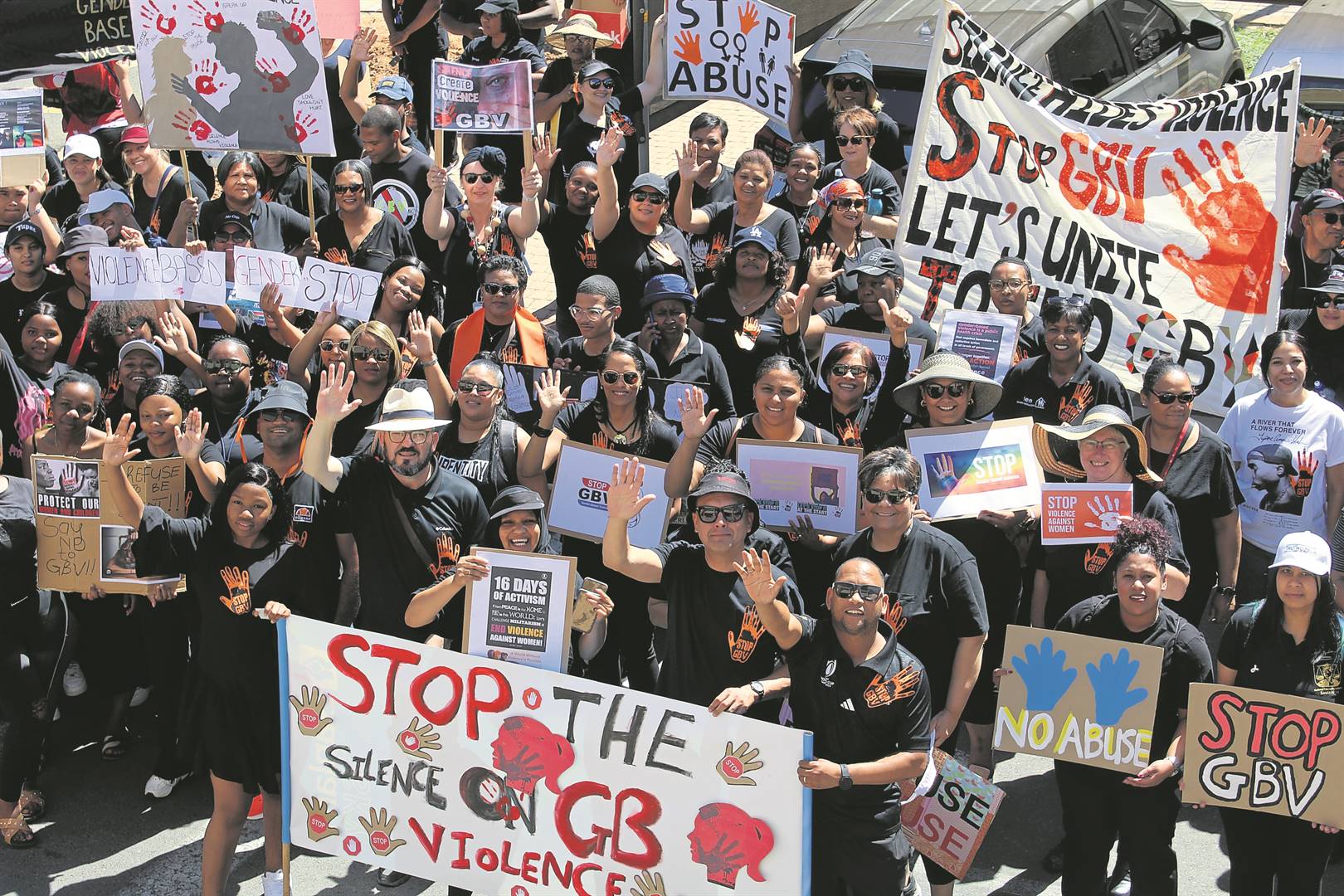
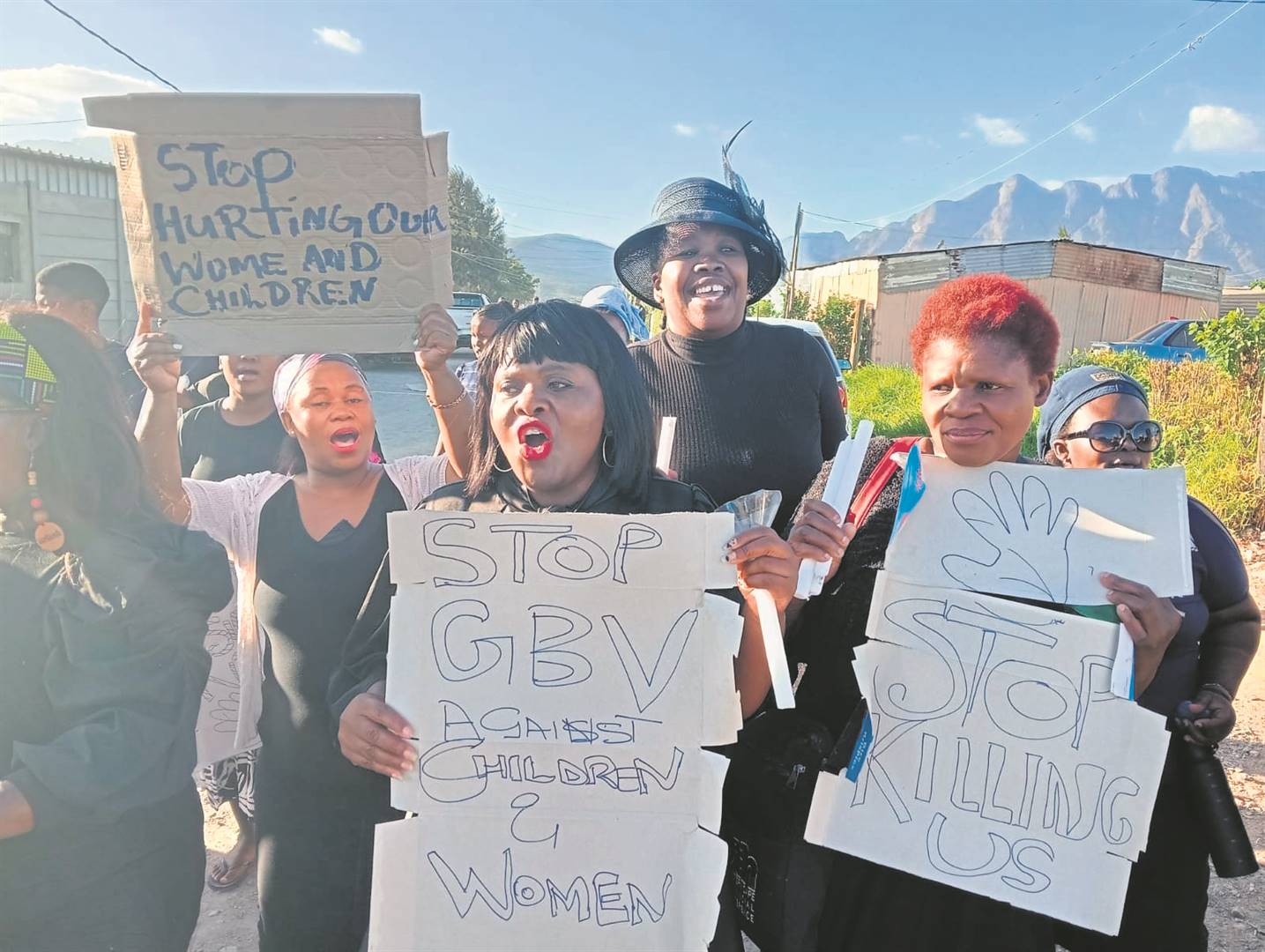
The impact of gender-based violence (GBV) extends beyond households, and health-care workers are often faced with the brutal reality of abuse. The Western Cape Department of Health and Wellness stands in solidarity with women and men who are affected by GBV. As part of the 16 Days of Activism it unites its voices with other role-players in government and society, and encourage individuals affected by GBV to reach out for help.
“It is easy to fix an open wound or broken bone, but when it comes to supporting a patient impacted by GBV, you need to let them know that help is available. You need to approach them as a human being first,” says Dr Kopano Mtyobile (34) of Worcester Hospital. “You are not the judge or jury, just the doctor. You are here to save a life.”
Since starting at the hospital in 2019 she says that patients come to the Emergency Centre with wounds that are linked to intimate partner violence daily. The hospital’s data shows that between April and October this year more than 700 individuals came to the Emergency Centre due to assaults.
Women are often more forthcoming about the abuse, said Mtyobile, but she has learnt how to speak to men in a way that makes them open-up too. These patients are stabilised and encouraged to visit the on-site Thuthuzela Care Centre where experts provide further support.
Thuthuzela Care Centres are led by the National Prosecuting Authority’s Sexual Offences and Community Affairs Unit. Data for the last three years, according to the Thuthuzela centre at Worcester Hospital, shows a year-on-year increase in cases of domestic violence. For 2022-’23 close to 500 adults and children visited the centre due to domestic violence, plus an additional 19 who were younger than 12 years old.
As a young child she remembered how her mom was abused by her partner, which has given Mtyobile a soft spot for these patients. She takes care not to become numb because of her repeated exposure to these traumas, and said the individual stories often stayed with one.
“About two-and-a-half years ago a woman came in after being assaulted by her husband. She was stabbed in the hand with a sharp object.” She referred her to the Thuthuzela centre, but instead of going there she went home. “Later I heard she had gone home. That day he killed her and their three children.”
Some time after that she treated a prisoner who was transferred to the hospital for emergency care after he had overdosed on medication. Later she found out the prisoner was the husband of her former patient.
She also remembered treating a man who was stabbed in the heart by his wife. They had been drinking alcohol and when he attacked her she defended herself by stabbing him.
The couple was in their 60s, but GBV overshadowed the joy they should have had as parents and grandparents.
The reluctance of some people to take the first steps to remove themselves from the abusive situation, reminded her of her mom. But with the passing years she now has more compassion.
“Parents are human. Unfortunately, some people think love means abuse, that this is how you are shown love. GBV keeps people in socio-economic situations that are tough to get out of. Sometimes you are broken down emotionally and mentally. It will take a lot for you to make a change.”
To care for her own well-being Mtyobile relies on colleagues, her faith in Jesus Christ and friends. She is thankful her mom was eventually able to make a fresh start away from an abusive partner.
“I have a huge love for this career. I’ve chosen to work with people. It is a passion I won’t give up. As women we need to create a village of support around ourselves. We need to create platforms and safe spaces to seek help. Seek help, and then, take it one step at a time.”
Help is available
If you experience abuse please report it to a police officer or social worker. Health-care workers can also assist you.
Contact the Thuthuzela Care Centre at Worcester Hospital at 023 348 1223 / 1294
People who need help with addition or substance abuse, can call:
. 0800 220 250 (Western Cape Department of Social Development); or 0800 12 13 14 or SMS 32312, seven days a week (South African Depression & Anxiety Group’s Substance Abuse Helpline).