Drowning is a serious public health concern. Low-and-middle-income countries are the most affected by drowning, as they carry 90% of the global drowning burden.
“A South African Epidemiological Study of Fatal Drownings: 2016-2021”, conducted by the National Sea Rescue Institute (NSRI), indicates there is an assumption that drownings occur frequently in the ocean, and an abundance of resources are deployed to prevent these drownings. But this study determined that drownings occurred more frequently in freshwater resources in South Africa in the period 2016-2021.
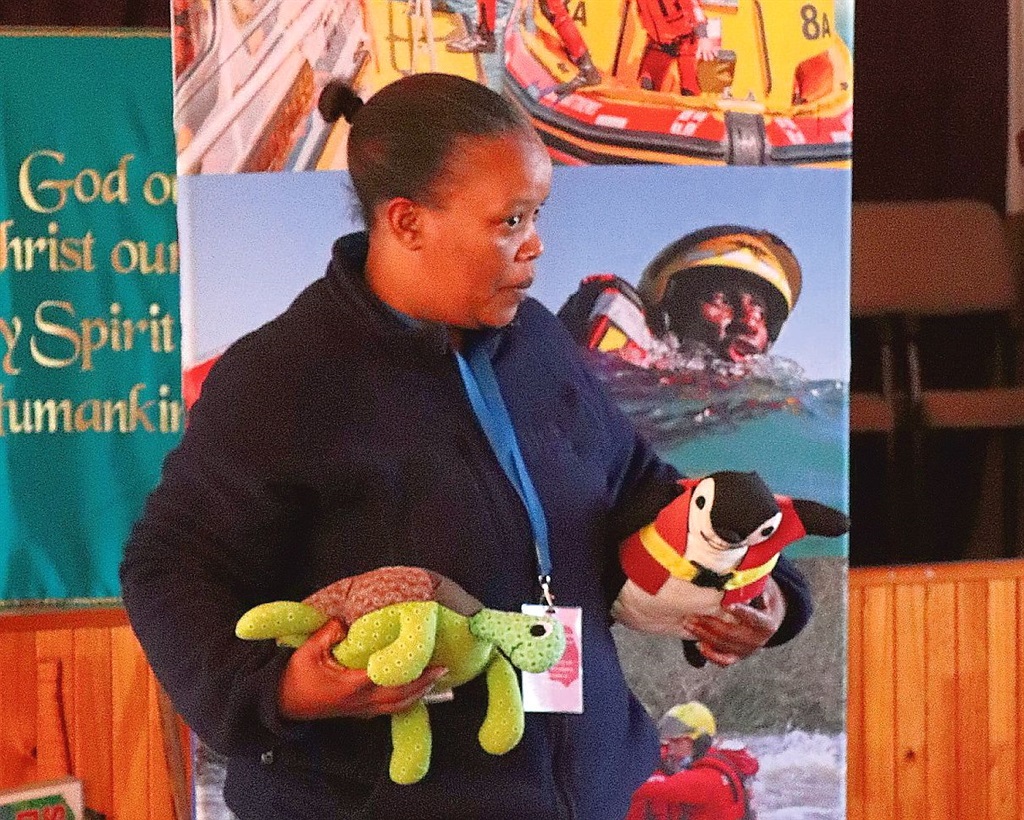
Dr Jill Fortuin, Executive Director of Drowning Prevention at NSRI, states that the purpose of this study is to provide an overview of fatal drownings in South Africa between 2016 and 2021. “The results of this study have indicated that KwaZulu-Natal (KZN) province had the highest incidence of drowning,” she said. “In addition to that, the 0-4-year-age group has the highest prevalence of drowning among all the age categories.”
Furthermore, the study revealed that males represented 81% of all the drownings in the period of the study, which can be attributed to more risky behaviour.
“Examining the data more from a provincial perspective, the second leading province is the Eastern Cape, with 1869 drownings reported in this period,” Fortuin said.
“This is followed by Gauteng, which had 1 006 reported drownings, and the fourth province is the Western Cape with 864.”
The age category where drownings are most prevalent is the 0-4-year-age group.
This finding is supported by international research.
In addition, recommendations from the World Health Organization with regard to drowning prevention among preschool children further indicates there are concerns about drownings among 0-4-year-olds. The message this festive season is to supervise your children diligently.
Notably, the data in the study is based on reported fatal drownings, so it is possible the number of South African drownings could be more. The reasons for the drownings are not reported, and hence are not included in the report.
“With the festive season upon us we are urging extreme caution to South Africans who will be making their way to the coast to not drink and swim, supervise children in and around the water and ensure that you know the emergency number,” concluded Fortuin.