Breastfeeding has long-term benefits for your baby, lasting right into adulthood. The longer you breastfeed the longer the protection lasts and the greater the benefits. Breastfeeding takes centre stage annually between 1 and 7 August, during World Breastfeeding Week.
This year’s theme, “Closing the Gap,” aims to strengthen support for mothers and communities during their breastfeeding journey. As part of the Basic Antenatal Care programme, the Western Cape Department of Health and Wellness and its partners advocate for exclusive breastfeeding (breastmilk only) for the first six months of a baby’s life.
Following this period, breastfeeding should continue alongside the introduction of appropriate, nutrient-rich foods until at least 2 years of age and beyond. Adequate nutrition during this crucial 1 000-day period can significantly influence a child’s development and learning abilities. For a lot of women breastfeeding is a difficult road, one they must navigate as first-time-moms or while being sleep deprived and others while holding down full-time or part-time work.
Sr Amy Adams of Robertson Hospital says you should use the nine months of pregnancy to get into the right frame of mind, so when your baby is born you are as prepared as you can be to breastfeed. “Most women experience some challenges when it comes to breastfeeding , it is new for you and it is new for the baby,” she said.
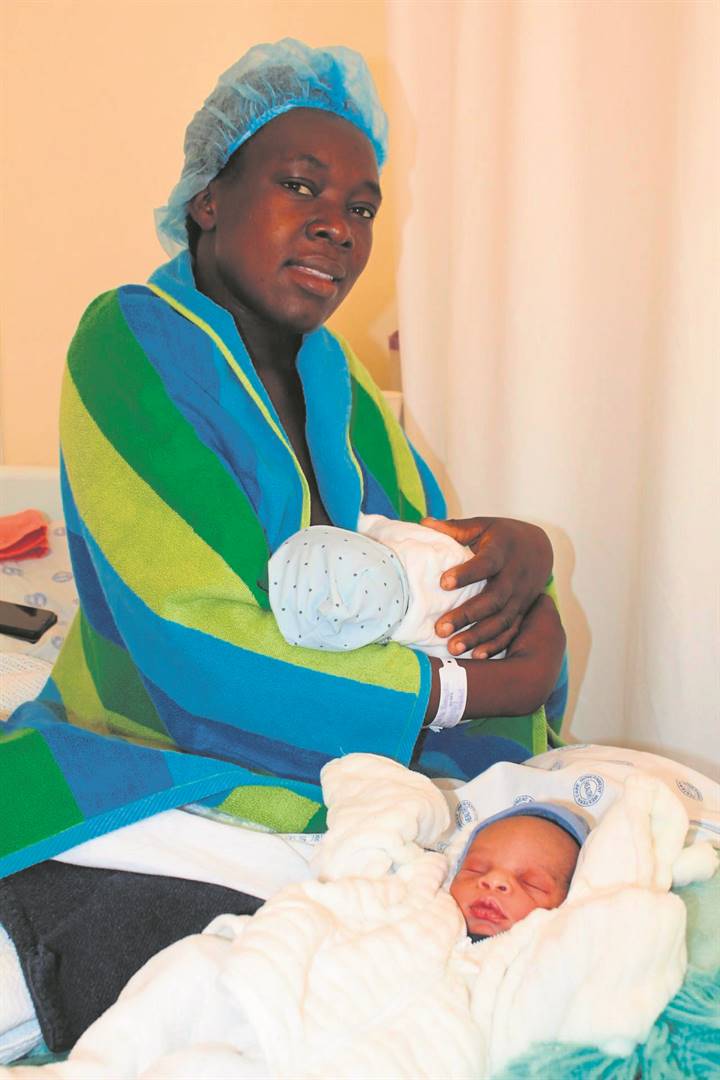
Health-care workers are ready to support you. Staff at Robertson Hospital recently had the joy of helping Shiela Kanyoka deliver a set of twins. Although these were not her first children, she welcomed the guidance of staff when it came to feeding.
“Sometimes women believe their breastmilk is too weak, too sweet or too salty,” Kanyoka said. “But the milk is perfect for your baby! Breastmilk is not as white as the cow’s milk one buys at a store, but it provides water and nutrition; one doesn’t need to add anything.”
For the first six months, infants require only breastmilk for their nutritional needs. This milk remains a vital source of nutrients for children beyond 6 months of age. Therefore, the baby can feed as frequently and for as long as they desire without restriction.
While breastfeeding, a mother should also remain eating healthy, balanced nutritionally adequate foods. When complementary foods are introduced after the age of 6 months, breastfeeding can still continue.
Breastfeeding is the foundation of healthy development for babies, providing essential nutrients and antibodies to improve survival, overall health, nutrition and well being despite their circumstances.
Nationally, the target is to have 50% of children under the age of 6 months being exclusively breastfed by 2025. The current rate for exclusive breastfeeding at 14 weeks is at 39% in the Western Cape.
The 2022 South African health reviews show a decline in exclusive breastfeeding rates.
In the Western Cape mothers are assisted in the birthing sites to establish breastfeeding, however, require more support to continue the practice when they are home.
Currently in the Western Cape, 88% of the mothers are initiating breastfeeding however, only about 40% are still breastfeeding when their babies are about 14 weeks old.
Megan Marias, Assistant Director for Health support trusts that breastfeeding provides numerous benefits for both mother, baby and their families.
“By continuing to cultivating a supportive community and workplace environment, we can close the gap and ensure all mothers and babies have the necessary resources to thrive during their breastfeeding journey”.