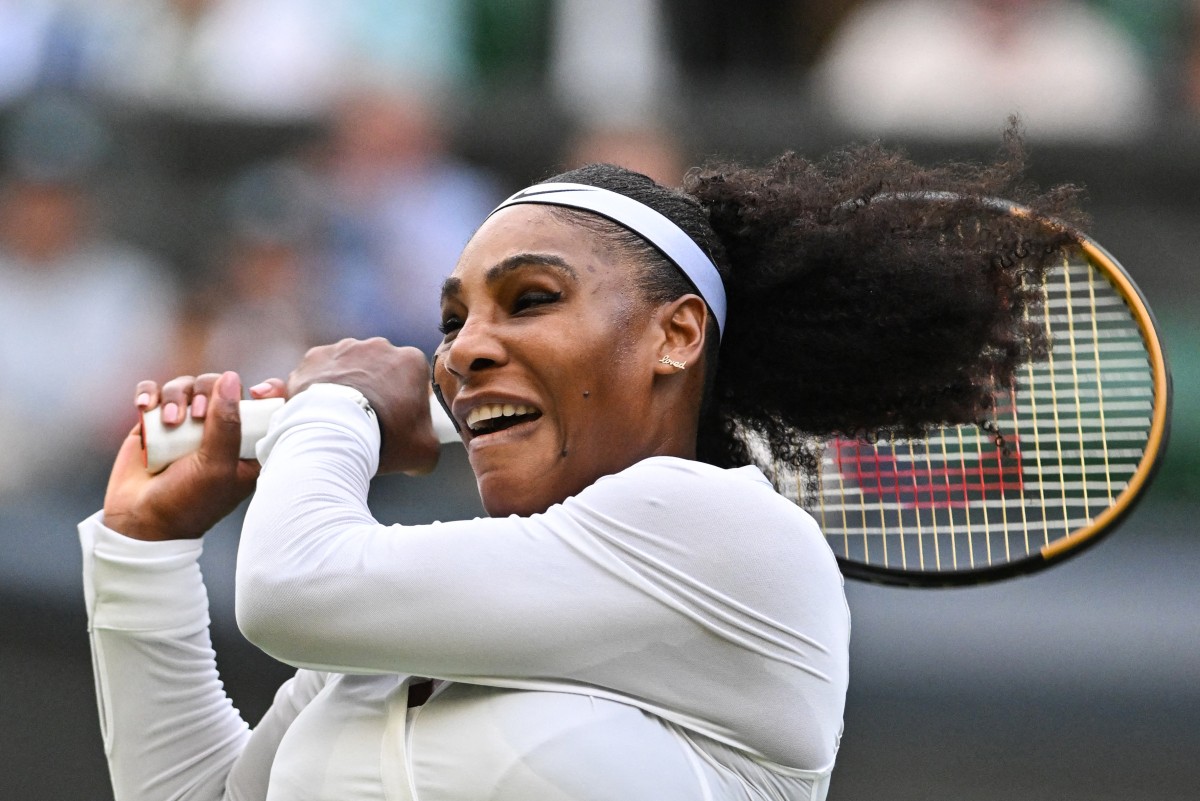
The All England Club has broken the bank in a bid to prevent civil war in tennis , but will a record-breaking cheque be enough to satisfy the sport’s restless stars?
Wimbledon has announced a historic 20 per cent prize money increase to £64.2m, with singles champions pocketing £3.6m each, marking the biggest uplift in the Championships’ storied history. The eye-watering boost comes as the sport teeters on the brink of all-out warfare between players and tournaments over revenue share.
The total purse jumps from last year’s £53.5m, with the singles winners’ share rising from £3m and qualifying prize money surging 25 per cent to £6.2m. But the announcement arrives amid escalating tensions that have seen the world’s elite threaten boycotts and limit media obligations in protest.
The crux of the dispute? Revenue percentage. Led by former WTA chief Larry Scott, top players argue they receive a shrinking slice of grand slam revenues, estimating just 14.3 per cent at last month’s French Open. They’re demanding a share closer to 22 per cent, the standard at the ATP and WTA’s biggest mixed events.
Wimbledon’s prize money last year represented less than 13 per cent of total revenue. Players warned anything below 16 per cent, which would have meant a £71.1m pot, would spark further disappointment.
All England Club chair Debbie Jevans hasn’t budged. “Using revenue to determine prize money makes no sense,” she told the Independant, pointing instead to Wimbledon’s multi-million pound investment in player facilities, including the revamped Millennium Building and improved performance zones, plus funding for the LTA and British grass-court season.
“We’re not-for-profit, we’re very different from an ATP Masters 1000 in that everything goes back into the sport,” Jevans said, expressing frustration that this message hasn’t resonated with the playing cohort.
The standoff has turned ugly. The Professional Tennis Players Association (PTPA) has launched legal action against Wimbledon, Roland Garros and the US Open, citing “systemic abuse, anti-competitive practices, and a blatant disregard for player welfare”. Wimbledon has filed a motion to dismiss, with Jevans citing “strong grounds” for doing so.
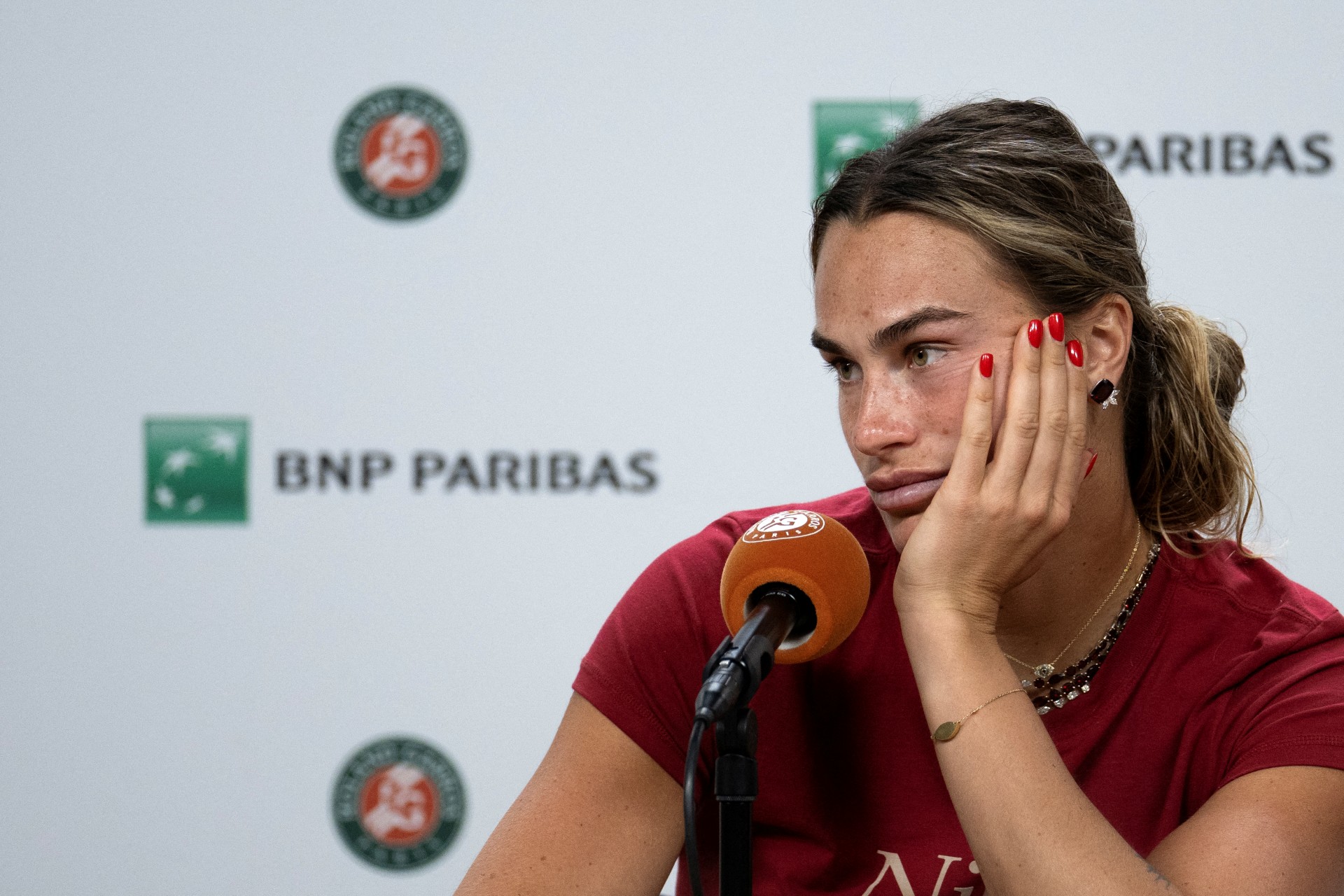
Top-10 stars including Carlos Alcaraz, Jannik Sinner, Aryna Sabalenka and Coco Gauff sent letters to the slams in March demanding greater consultation on scheduling, contributions to a player welfare fund covering pensions, healthcare and maternity leave, and increased revenue share. Several limited French Open media appearances to 15 minutes in protest, whilst Sabalenka refused to rule out boycotting future majors.
Beyond finances, players are crying out for calendar reform to combat burnout. Jevans acknowledged “major improvements” are needed to address governance, strengthen the calendar and lengthen the off-season.
“No single organisation can deliver those improvements alone, and Wimbledon cannot do this in isolation,” she conceded, calling for deeper dialogue channels with players.
Whether £64.2m buys peace or merely delays the inevitable remains to be seen. As championships fortnight approaches, tennis finds itself in a high-stakes rally with no clear winner in sight.