Whilst the fashion world spins through trends at dizzying speed, Wimbledon stands defiantly unmoved, a bastion of traditional elegance where pristine whites, sharp tailoring, and a distinctly British sense of occasion remain absolutely non-negotiable. Love it or loathe it, the London tennis championship’s aesthetic refuses to bend to modern casual culture, and frankly, that’s precisely the point.
“This is Wimbledon! You’ve got to dress up,” declared Jari Hedman, a 65-year-old Finnish tennis coach, grinning as he adjusted his Italian-made white linen suit, paired with a navy blazer and a flourish of orange tie. He’d picked the “classy” attire “in honour of the tournament,” he told AFP.
The oldest Grand Slam tournament, running from 29 June to 12 July this year and celebrating its 150th anniversary in 2026, operates under unwritten social codes that feel genuinely anachronistic in an era of athleisure and trainers-everywhere culture. Yet Wimbledon’s insistence on maintaining standards is precisely what sets it apart.
The royals, the etiquette, and the unspoken rules
The royals are regulars, particularly Princess Kate, whose elegant fashion choices earn consistent praise. Ahead of the tournament, the BBC published an article on attendee “etiquette”, those unwritten rules that separate the initiated from the clueless, whilst newspapers chimed in with fashion tips.
“With its mix of royalty, A-listers and diehard fans, Wimbledon always has a sense of occasion, so why not make an effort?” The Times advised, perfectly capturing the tournament’s cultural DNA.
And what should spectators wear? “White, white, white. And light colours,” said Lucie Ta, a 29-year-old engineer from Prague, sporting a long white dress with black polka dots and a white jacket draped over her arm. Anne Freeman, an American from Houston, donned a pearl-coloured floral dress and sleek Panama hat. “It’s a way to be respectful of the tradition,” she explained.
The Players: Almost entirely white means exactly that
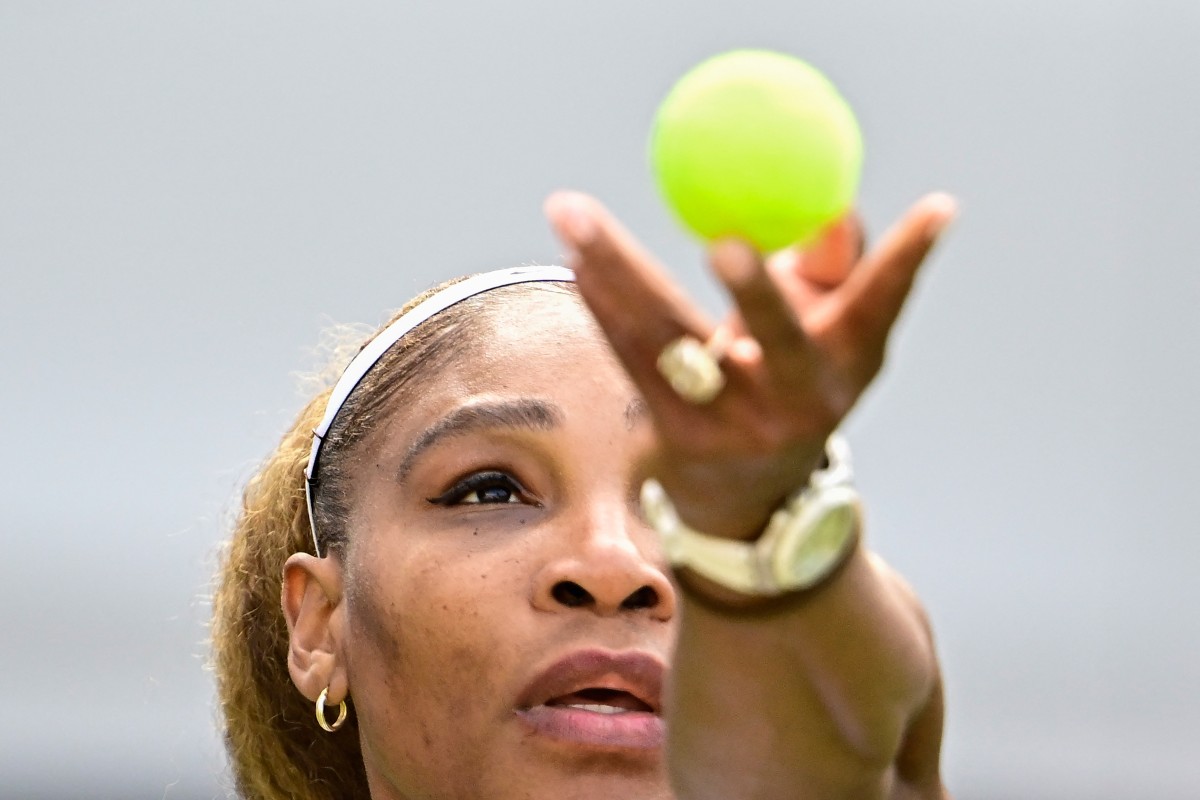
Wimbledon enforces the circuit’s strictest dress code for players, who must wear “suitable tennis attire that is almost entirely white” from “the point at which the player enters the court surround.” The rules leave absolutely no wiggle room: “White does not include off-white or cream.”
The regulations are rooted in the sport’s aristocratic history, with white chosen specifically to hide sweat stains, considered deeply improper in polite Victorian society. It’s absurdly quaint by modern standards, yet Wimbledon clings to it fiercely.
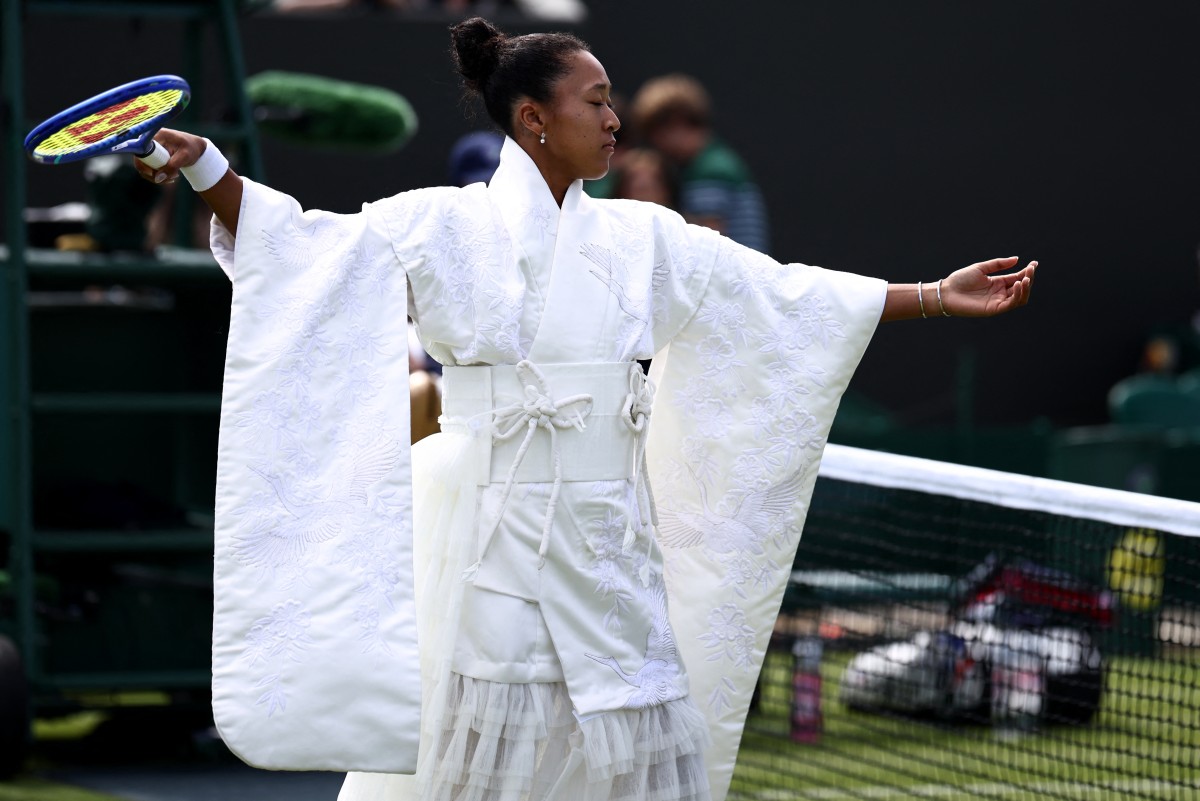
Players have found creative ways to inject individual flair within these rigid boundaries. Japan’s Naomi Osaka, renowned for flamboyant outfits, arrived on Monday in a kimono-inspired white dress featuring embroidered cranes and cherry blossoms by Japanese designer Hana Yagi. She paired it with a traditional kanzashi hair ornament before removing both to reveal a white Nike dress underneath.
Osaka revealed the outfit was inspired by Quentin Tarantino’s “Kill Bill.” “I think about my cultures, my heritage, which is Japanese and Haitian. Then if I dive deeper into Japanese culture, I think about the most iconic silhouette, which for me is a kimono,” she said.
Serbia’s Novak Djokovic wore a white Lacoste jacket with green trimming, inspired, according to the brand, by attire worn by “great champions” including René Lacoste in the 1920s.
A window into British high society’s past
Attending Wimbledon is “fascinating” because it offers “an insight into what the past of British society looked like,” according to Daniel-Yaw Miller, a sports and fashion journalist. The grass-court tournament “always was seen as a social scene” like the Ascot races, explained Elizabeth Wilson, who’s penned a book on tennis history. “Therefore people wanted to dress up, to look smart.”
In the 1950s, women wore formal hats; in the 1960s, gloves remained standard. “It has got very much more relaxed,” Wilson noted, though “relaxed” is relative.
Whilst spectators can technically dress however they like, Wimbledon retains a “very distinct aesthetic” and “revered traditions,” Miller said. “I think the athletes and the fans really buy into the fact that it is unique.”
Miller, a Brit living in New York, enjoys contrasting Wimbledon with the US Open: “You go from the most English thing imaginable to the most American thing imaginable in every sense of the word.” The US Open feels like “one big party” with entertainment where it’s sometimes “hard to focus” on the tennis. He wore shorts and a T-shirt there. For Wimbledon? Polo shirt and smart trousers.
Fashion trends will continue their relentless churn. Wimbledon won’t budge. And that stubborn refusal to modernise remains its greatest charm.