

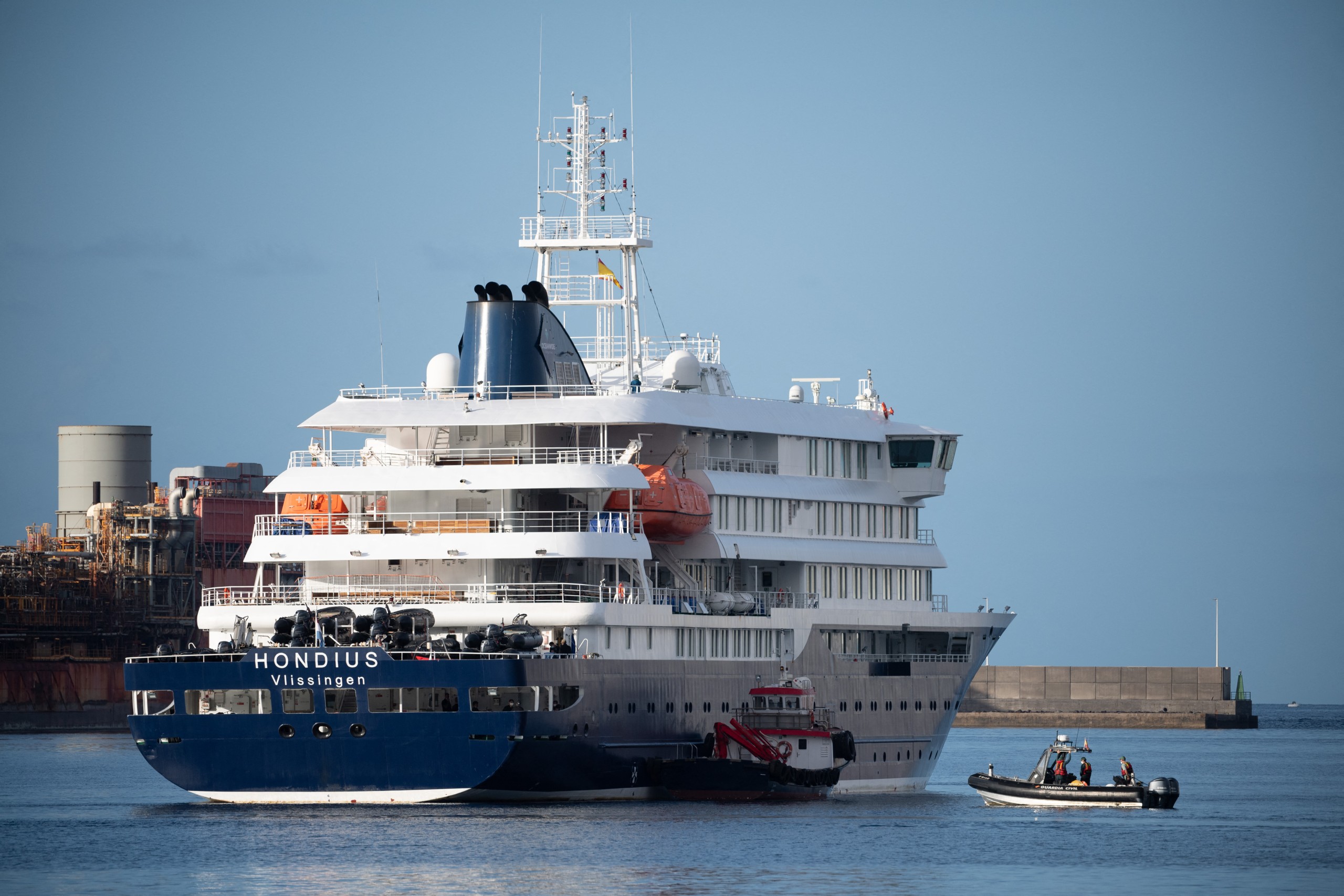
MADRID, Spain – World Health Organization director-general Tedros Adhanom Ghebreyesus said on Tuesday “our work is not over” to contain hantavirus after evacuations from a cruise ship hit by a deadly outbreak of the illness.
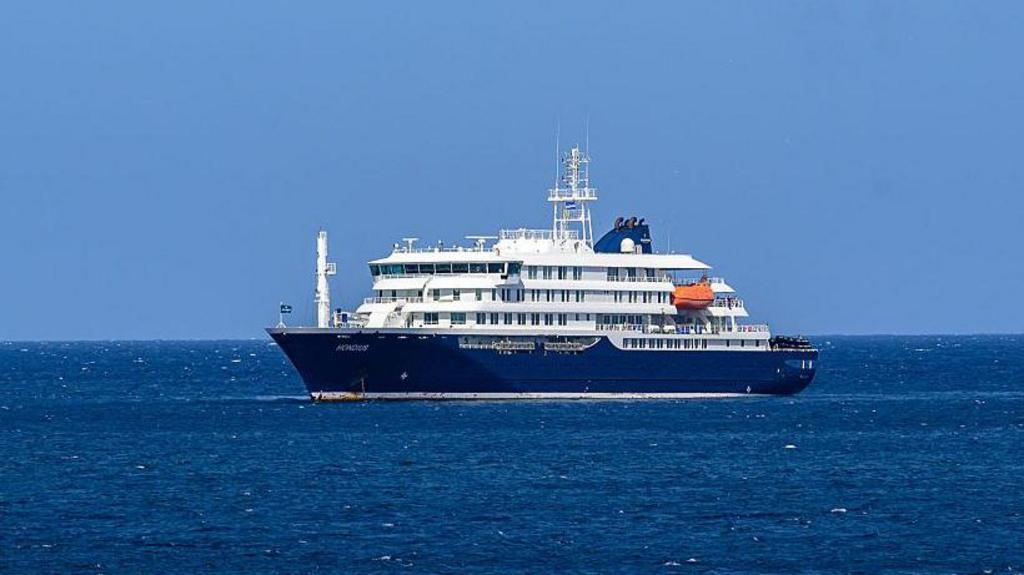
The fate of the MV Hondius has sparked international alarm after three passengers died in an outbreak of the rare virus, for which no vaccines or specific treatments exist. A Frenchwoman also remains in a critical condition.
Health officials have stressed that the global public health risk is low and rejected comparisons to the start of the Covid-19 pandemic.
“There is no sign that we are seeing the start of a larger outbreak,” Tedros told a joint news conference with Spanish Prime Minister Pedro Sánchez in Madrid after overseeing the evacuation in Spain’s Canary Islands.
“But of course the situation could change, and given the long incubation period of the virus, it’s possible we might see more cases in the coming weeks,” Tedros said of the Andes variant, the only one known to be transmissible between humans.
Among living patients, all of whom are passengers or crew of the ship, seven cases have been confirmed and an eighth is listed as “probable”, according to an AFP tally of official figures.
The affected nationalities include the United States, Britain, France, Spain, Switzerland and the Netherlands.
French patient in intensive care
One of the five French passengers flown back from the ship was on Tuesday in intensive care on a ventilator battling a severe case of the rare disease, according to Dr Xavier Lescure.
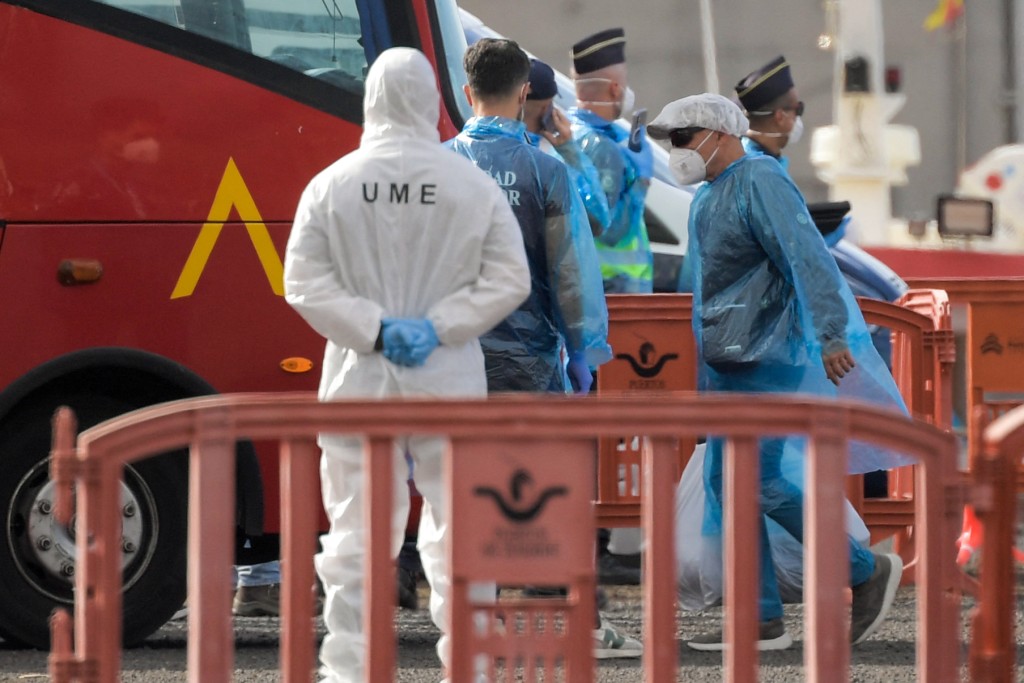
The woman, who is older than 65 and had pre-existing conditions, was receiving treatment at a French hospital, the doctor told a press conference at the health ministry.
More than 120 passengers and crew on the MV Hondius were flown out from Spain’s Canary Islands on Sunday and Monday. Countries have adopted different health measures for their returning evacuees.
Most have followed the WHO’s guidelines, which include a 42-day quarantine and constant monitoring of high-risk contacts because the incubation period can take six weeks.
Dutch evacuees test negative
According to the Dutch authorities, the 26 passengers who landed back on Sunday on the first flight from the Canary Island of Tenerife to the Netherlands had tested negative.
All 26 underwent thorough medical screening, the Dutch National Institute for Public Health and the Environment said on Tuesday. Despite the negative tests, they must quarantine. Two more repatriation flights landed later in the Netherlands, carrying 28 more evacuees who will also undergo isolation.
Tedros said he hoped countries would “follow the advice and recommendations we are making”, but acknowledged that nations were free to decide their own health protocols.
Insisting that his government had the situation “under control”, French President Emmanuel Macron called on Tuesday for strong European coordination with the World Health Organization, while speaking at a summit in Kenya.
Diplomatic challenges
The MV Hondius presented diplomatic challenges as different countries negotiated over who would receive it and treat its passengers.
Cape Verde refused to receive the ship, which remained anchored offshore of the capital Praia as three people were evacuated to Europe by air last week.
Spain allowed the vessel to anchor off the Canary Islands for the evacuation of passengers and crew on Sunday and Monday, but the Atlantic archipelago’s regional government fiercely opposed the measure.
Defending his government’s policy, Sánchez said the “world does not need more selfishness or more fear. What it needs are countries that show solidarity and want to step forward.”
The MV Hondius left the island of Tenerife with a skeleton crew on Monday and will be disinfected upon arrival in the Netherlands on Sunday.
Hantavirus spreads from the urine, faeces and saliva of infected rodents and is endemic in Argentina, where the MV Hondius set sail on 1 April for a cruise across the Atlantic Ocean to Cape Verde.
What is hantavirus
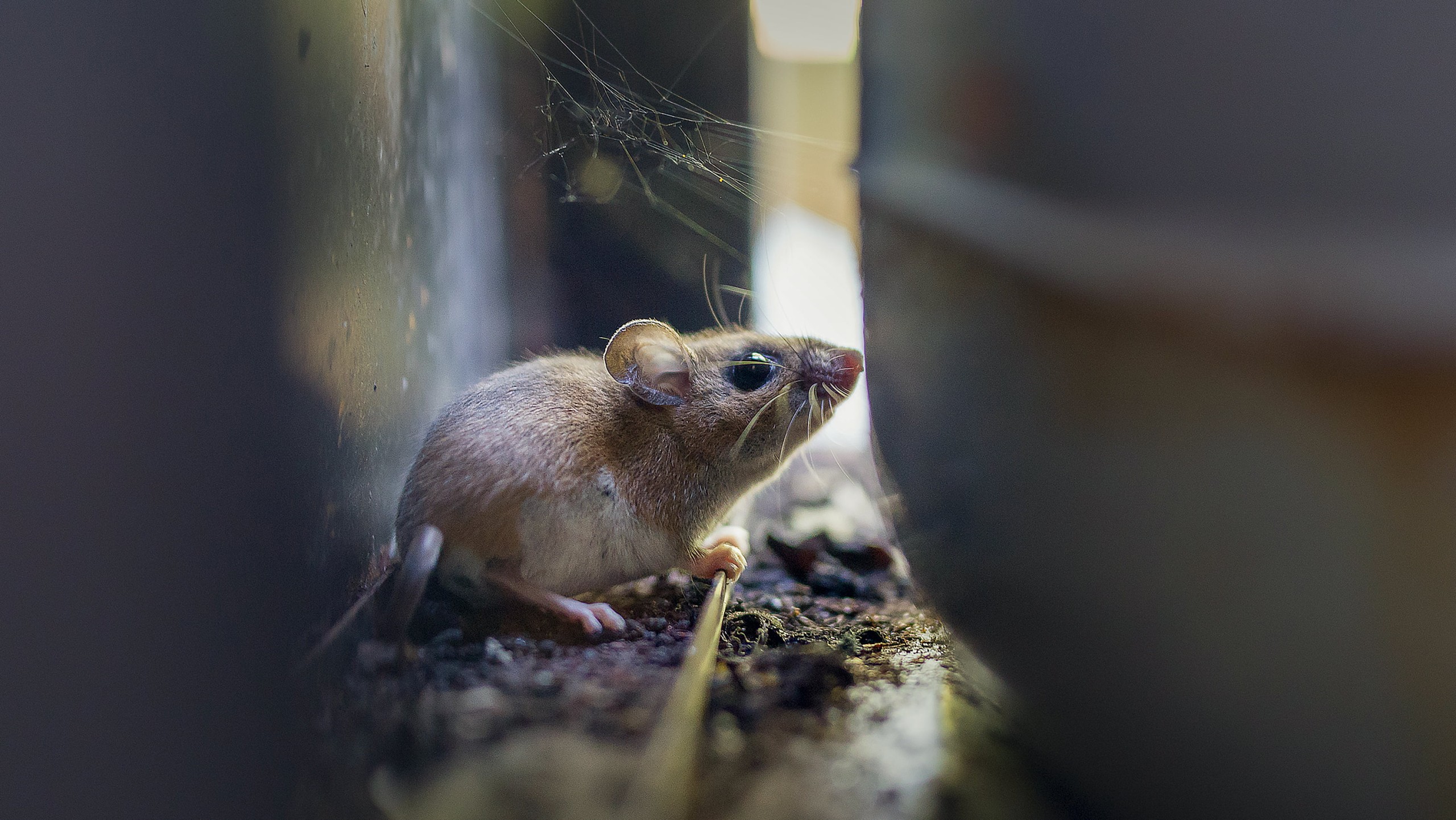
Hantavirus is a rare viral disease primarily transmitted to humans through contact with infected rodents. The virus is spread when people breathe in air contaminated with the urine, droppings or saliva of infected mice and rats, or through direct contact with these materials.
Several types of hantavirus exist worldwide. In the Americas, the virus can cause hantavirus pulmonary syndrome, a severe respiratory disease. In Europe and Asia, hantaviruses typically cause haemorrhagic fever with renal syndrome, which affects the kidneys and blood vessels.
The Andes variant, linked to the MV Hondius outbreak, is the only known hantavirus strain that can spread from person to person through close contact with infected individuals.
ALSO READ: US, French evacuees from hantavirus ship test positive
Early symptoms include fever, muscle aches, fatigue, dizziness and chills. These typically appear one to six weeks after exposure. In severe cases, the disease can progress to difficulty breathing, low blood pressure and organ failure.
No specific treatment, cure or vaccine exists for hantavirus infection. Medical care focuses on supportive treatment, including oxygen therapy, fluid management and intensive care monitoring. Early hospitalisation significantly improves survival rates.
Prevention centres on avoiding contact with rodents and their droppings, particularly in endemic areas. Health authorities recommend sealing gaps in buildings, maintaining clean environments and using proper protective equipment when cleaning areas that may harbour rodents.
The mortality rate varies depending on the strain but can reach 30% to 40% in severe cases of hantavirus pulmonary syndrome.
ALSO READ: South Africa monitors 90 hantavirus contacts after fatal cruise ship case


You must be logged in to post a comment.