

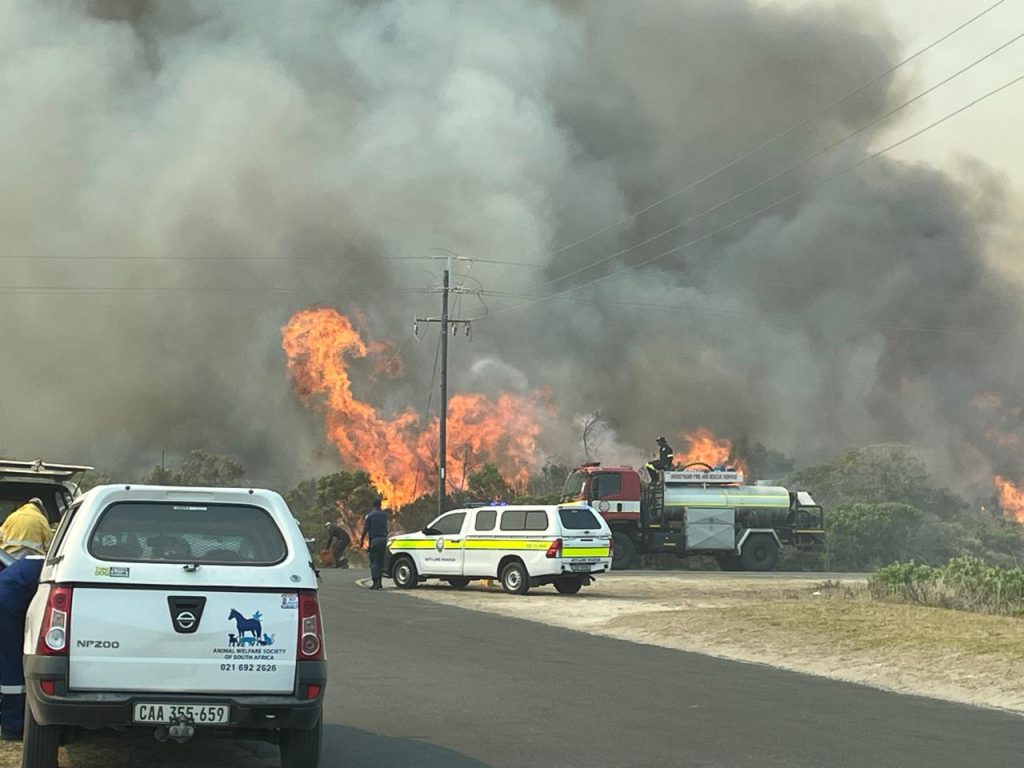
As devastating wildfires continue to sweep across the Western Cape, leaving approximately 90,000 hectares of land scorched in their wake, conservation authorities are issuing urgent guidance to residents who may encounter distressed wildlife in fire-affected areas.
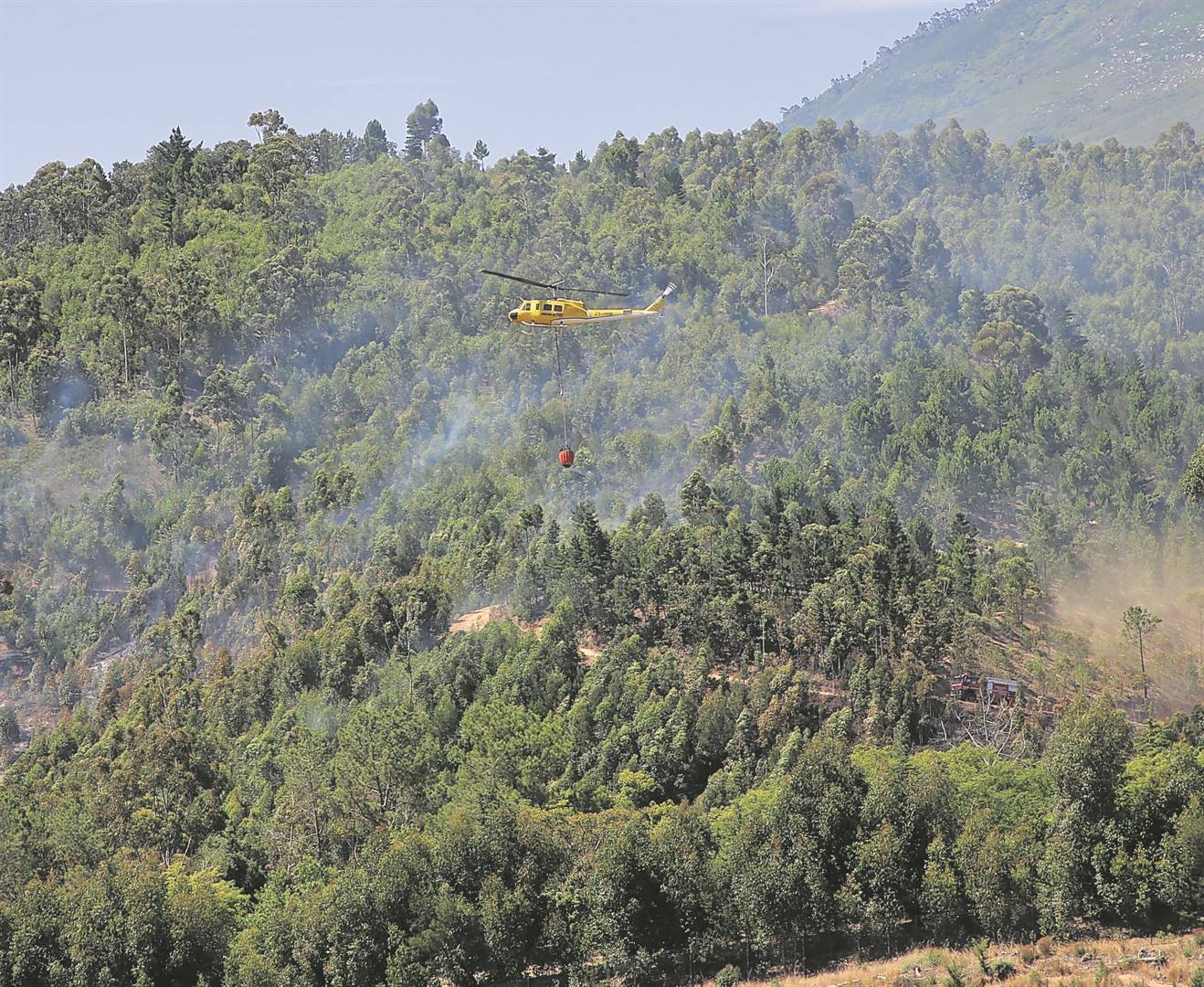
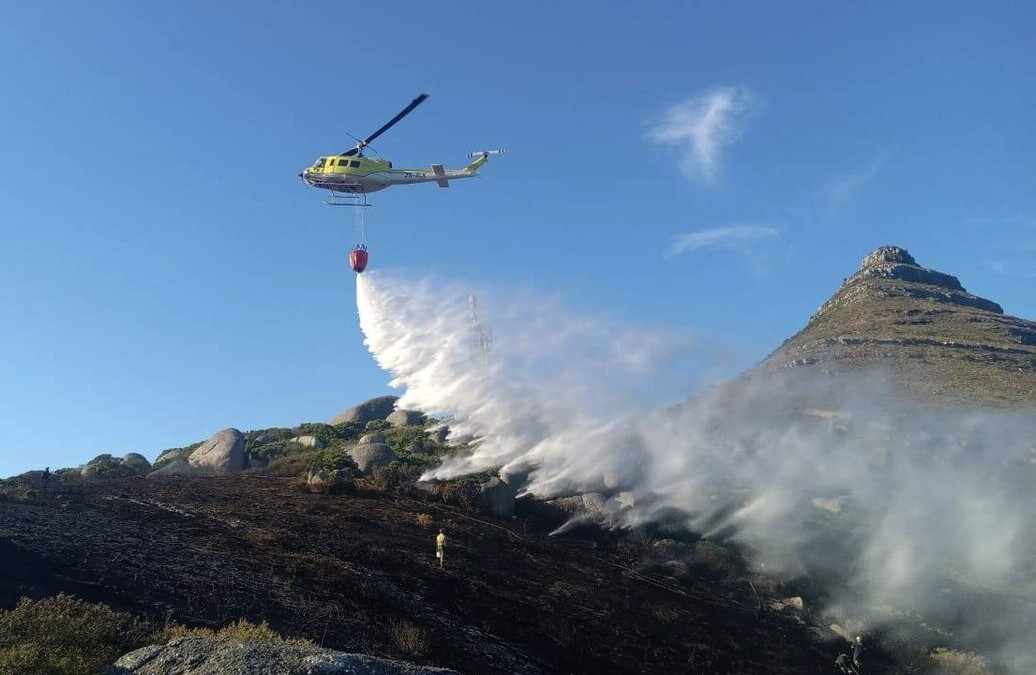
The province has already authorised 38 aerial firefighting missions this season, with the Provincial Disaster Management Centre reporting that R15 million has been spent on aerial firefighting support. With hot and dry conditions expected to persist beyond March, further funding is being considered to combat the ongoing threat.
CapeNature is now calling on the public to resist the natural urge to “rescue” animals that may appear injured or disoriented following fire incidents. The conservation body emphasises that while the impulse to help is understandable, well-meaning intervention can often cause more harm than good.
The organisation reminds residents that the Western Cape’s unique fynbos ecosystem has evolved alongside fire over millennia. “Fire is a natural and necessary ecological process for fynbos,” explains CapeNature. “Without fire, these plants would simply grow old, stop reproducing and die.”
The wildlife that calls this landscape home has developed equally impressive adaptations. Cape Dwarf Chameleons have evolved rapid reproduction cycles to quickly repopulate after fires, while tortoises demonstrate remarkable survival instincts by burrowing deep into soil when they detect smoke.

Despite these natural adaptations, CapeNature stresses that wildlife displaced or affected by fire must not be touched, captured, fed or removed by members of the public. Many animals that appear injured or disoriented can actually move away and recover without human intervention. Unnecessary handling can cause severe stress, injury or even death, while also placing both people and wildlife at risk.
The law is clear on this matter: only trained and authorized individuals and facilities are permitted to handle, transport or rehabilitate wild animals, in accordance with environmental legislation and appropriate permits. Removing wildlife without authorisation is illegal, regardless of good intentions.
ALSO READ: WATCH | Wildfire threatens Pearly Beach as gale force winds reignite blaze
When encountering wildlife that appears injured, trapped or in immediate danger due to wildfire, the public should maintain a safe distance and ensure that people and pets do not interfere. Unless an animal is in immediate danger, no attempt should be made to feed or move it.
Citizens should carefully observe and document the exact location where the injured animal has been found, preferably with GPS coordinates or a pin location. Correct species identification and a brief description of any visible injuries should also be noted before reporting the incident through appropriate channels.
Who to contact
For wildlife emergencies in different regions of the Western Cape, residents should contact the relevant CapeNature Regional Offices as well as the various SPCA offices:
CapeNature Regional Offices:
- Cederberg: 082 455 5569
- Cape Peninsula: 072 592 3517 until 14 January and 076 103 4615 onwards
- Boland and Kogelberg: 082 785 1045
- Witzenberg: 082 784 7173
- Overstrand: 087 087 3841 / 071 999 5348
- Langeberg: 087 087 3895 / 082 496 2449
- Paarl: 087 087 4170
- Garden Route: 044 802 5300/ 087 087 3037
- Karoo: 087 087 3002
SPCA offices:
- Beaufort West: 072 847 7312
- Cape of Good Hope: 021 700 4140 / 083 26 1604
- Franschhoek: 083 745 5344 / 083 745 5344
- Garden Route – George – Mossel Bay: 044 878 1990/3 / 082 378 7384
- Paarl: 021 863 2720 082 510 6387
- Swartland – Darling – Vredenburg: 022 492 2781 / 082 414 7153
- Swellendam: 028 514 2083 / 084 737 1948
- Wellington: 021 864 3726 / 082 905 9184
- Winelands: 023 615 2241 / 071 025 7805
As the wildfire season continues to test the resilience of both human and natural communities across the Western Cape, CapeNature emphasises the importance of collective action. The organisation calls on all residents, landowners, and visitors to remain vigilant and work together to keep the region’s people, properties, and wildlife safe during this challenging period.
The message is clear: sometimes the best way to help wildlife is to step back and let nature take its course, while ensuring that trained professionals are alerted when genuine intervention is required.
ALSO READ: WATCH | Fires devastate wine farms in Franschhoek, Wemmershoek areas



You must be logged in to post a comment.