
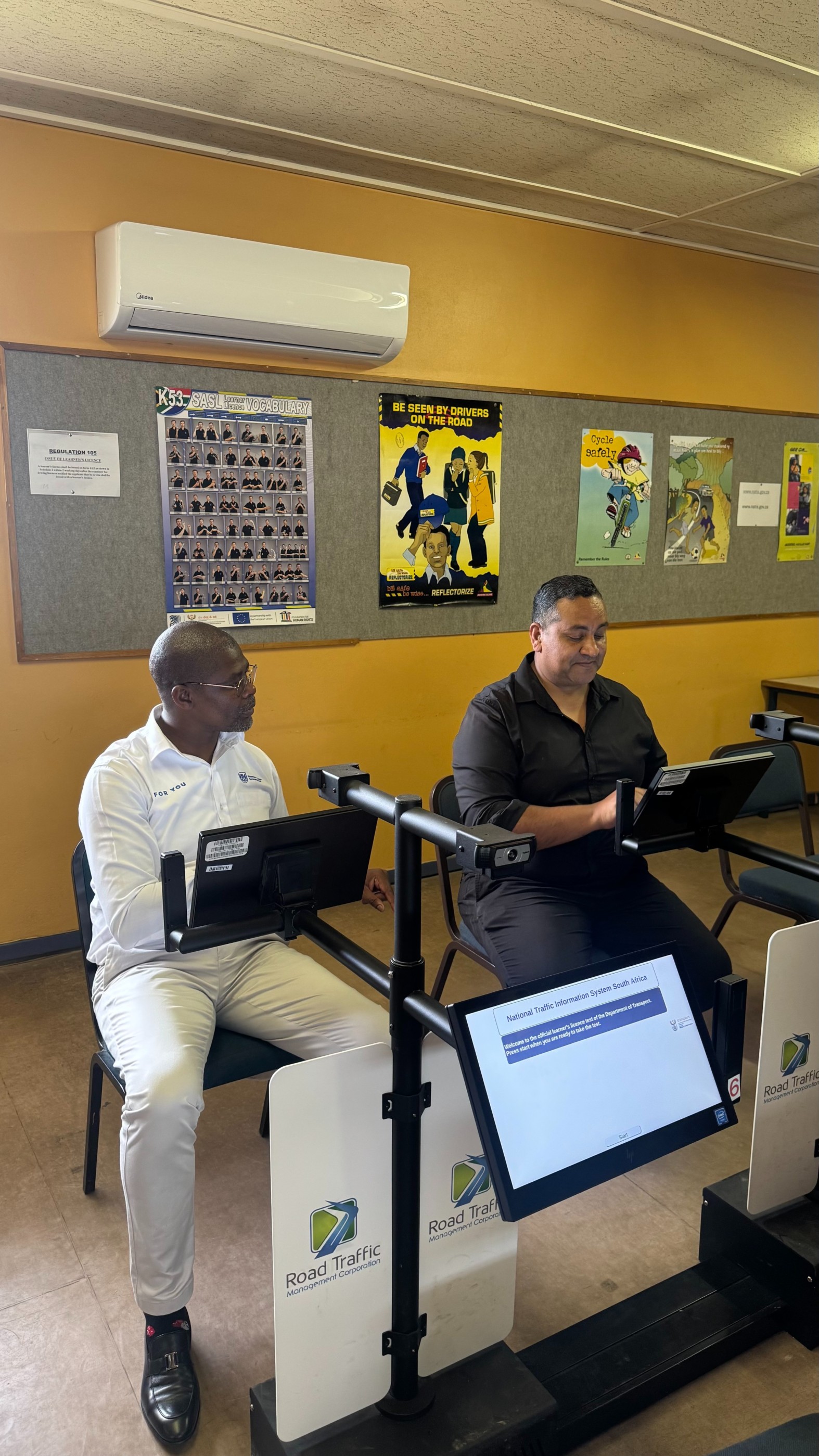
WORCESTER – The Western Cape has become the first province to demonstrate computerised learner’s licence testing specifically designed for deaf applicants, marking a breakthrough in accessible government services.
The pilot demonstration took place at Breede Valley Traffic Department in Worcester on Tuesday 14 October, where a deaf learner successfully completed the test using the new digital system’s built-in accessibility features.
Breaking barriers
The Computerised Learner’s Licence Testing (CLLT) system replaces manual testing with digital technology that allows deaf and hearing-impaired applicants to complete tests independently, without requiring interpreters.
“Today’s demonstration is about more than technology; it’s about equality,” said Western Cape mobility minister Isaac Sileku.
“This system enhances fairness, transparency, and efficiency while restoring dignity to every applicant.”
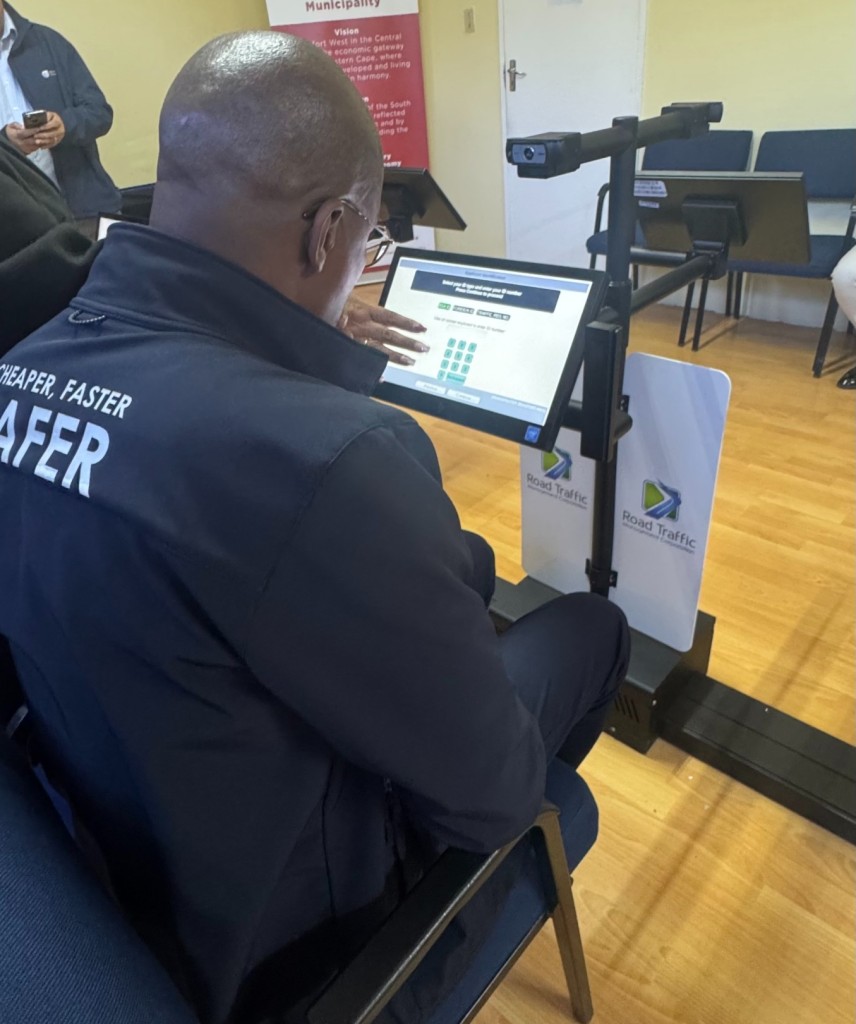
The initiative, launched during Mobility Month (October), represents a collaboration between the Western Cape Department of Mobility, Breede Valley Municipality, and the National Institute for the Deaf (NID).
Jabaar Mohammed, deaf provincial director of Deaf SA Western Cape, highlighted the broader impact: “In the past, deaf people struggled to access employment opportunities because so many jobs required a valid driver’s licence. This partnership is an important first step in reducing barriers.”
The digital system also addresses fraud concerns by eliminating human intervention in the testing process, providing real-time results and improved accuracy.
Province-wide rollout planned
Breede Valley deputy mayor Juben von Willingh praised the initiative: “This digital testing system empowers traffic departments to deliver services that are more efficient and transparent.”
Lynnette Victor, chief sign language centre officer at NID, commended the collaboration: “Through deaf sensitisation and advocacy, we are helping to bridge the divide.”
The system will be progressively rolled out across testing centres throughout the Western Cape, advancing the province’s vision of accessible mobility for all citizens regardless of ability.
Impact and significance
This breakthrough addresses a significant gap in government service delivery, where deaf applicants previously faced barriers in obtaining driver’s licences – often a prerequisite for employment opportunities. The computerised system ensures equal access while maintaining the integrity of the licensing process through enhanced security features and standardised testing procedures.







You must be logged in to post a comment.