


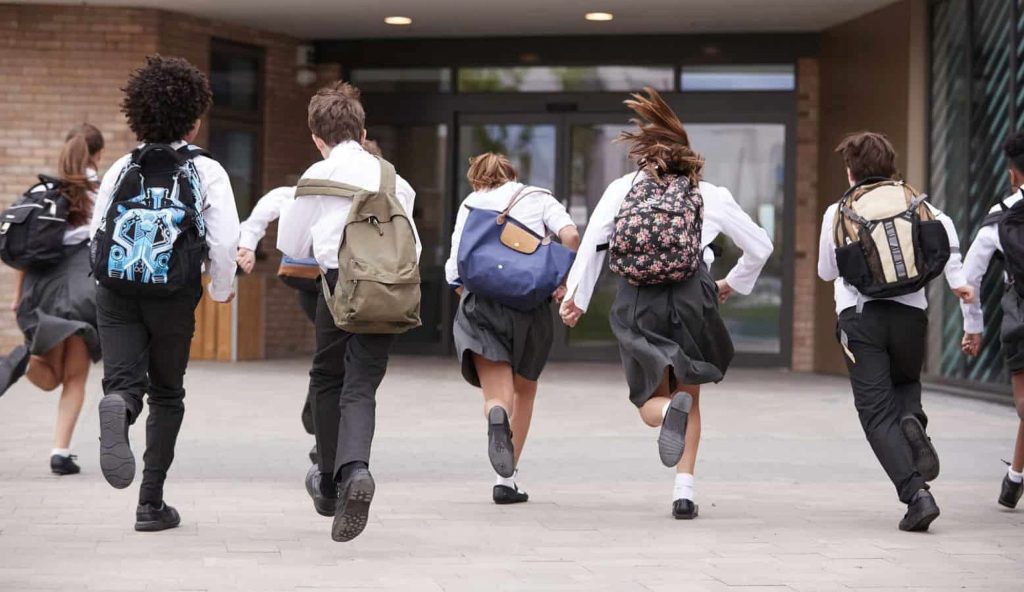
The Western Cape has experienced an unprecedented surge in school enrolment, with student numbers increasing by a substantial 19 per cent between 2015 and 2024. The province’s education system now serves more than 1.3 million pupils across 1 887 schools, with an average annual increase of 2.3 per cent primarily driven by migration from other provinces.
Ensuring that each of these pupils receives a fair opportunity for quality education has become an urgent priority, prompting the Western Cape Education Department (WCED) to unveil an ambitious infrastructure development plan despite increasingly constrained budgets.
“Every child deserves a seat in a safe, functional classroom with proper resources,” said Leon van Wyk, DA Western Cape spokesperson on education. “As our pupil numbers continue to grow, we must ensure that educational opportunity grows with it.”
During yesterday’s meeting of the Standing Committee on Education in the Western Cape Provincial Parliament, education officials detailed how this demographic pressure has placed considerable strain on the province’s educational infrastructure and staffing resources, a challenge further compounded by diminishing national education budgets and escalating operational costs.
Despite these formidable challenges, Van Wyk said, the WCED has distinguished itself amongst provincial education departments by safeguarding essential expenditure on goods, services, and infrastructure. From 2022 to 2025, the department has maintained employee compensation at a sustainable 71-72 % of its education budget, the lowest proportion among major provinces.
This prudent fiscal management has enabled greater investment in critical services such as textbooks, pupil transport, nutrition programmes, and school infrastructure. By contrast, other provinces such as KwaZulu-Natal have allocated over 83% of their budgets to salaries for four consecutive years, leaving minimal resources for other essential educational provisions.
Van Wyk further said: “We know that our residents expect more than excuses, they expect action. That’s why the WCED has made the tough but necessary decisions to contain its wage bill and prioritise infrastructure and support services as children cannot learn in overcrowded, crumbling classrooms with no books or transport. To ensure every learner has a seat in a safe, functional classroom, we must continue to prioritise infrastructure spending. It’s not optional, it’s essential.”
In response to mounting infrastructure demands, the WCED has initiated its Rapid School Build Programme, which aims to deliver 26 new school projects over the next three years. Furthermore, 290 new classrooms and 21 Grade R classrooms are planned within the same period.
For the 2025/26 financial year alone, 59 school maintenance projects are currently under construction, with an additional 26 projects in the planning phase. Since 2021, the department has upgraded 167 schools with LED lighting, installed solar photovoltaic systems at 91 schools, and completed new fencing upgrades at 167 schools, thereby enhancing energy efficiency, sustainability, and safety across the province’s educational establishments.
Looking ahead, the department plans to continue its focus on data-driven innovation and long-term infrastructure planning.
“Through modular school design, strategic delivery partnerships, and the adoption of energy-efficient technologies, the WCED is endeavouring to build a resilient, future-focused education system capable of accommodating enrolment growth whilst delivering improved learning environments for every child in the province,” Van Wyk added.



You must be logged in to post a comment.