

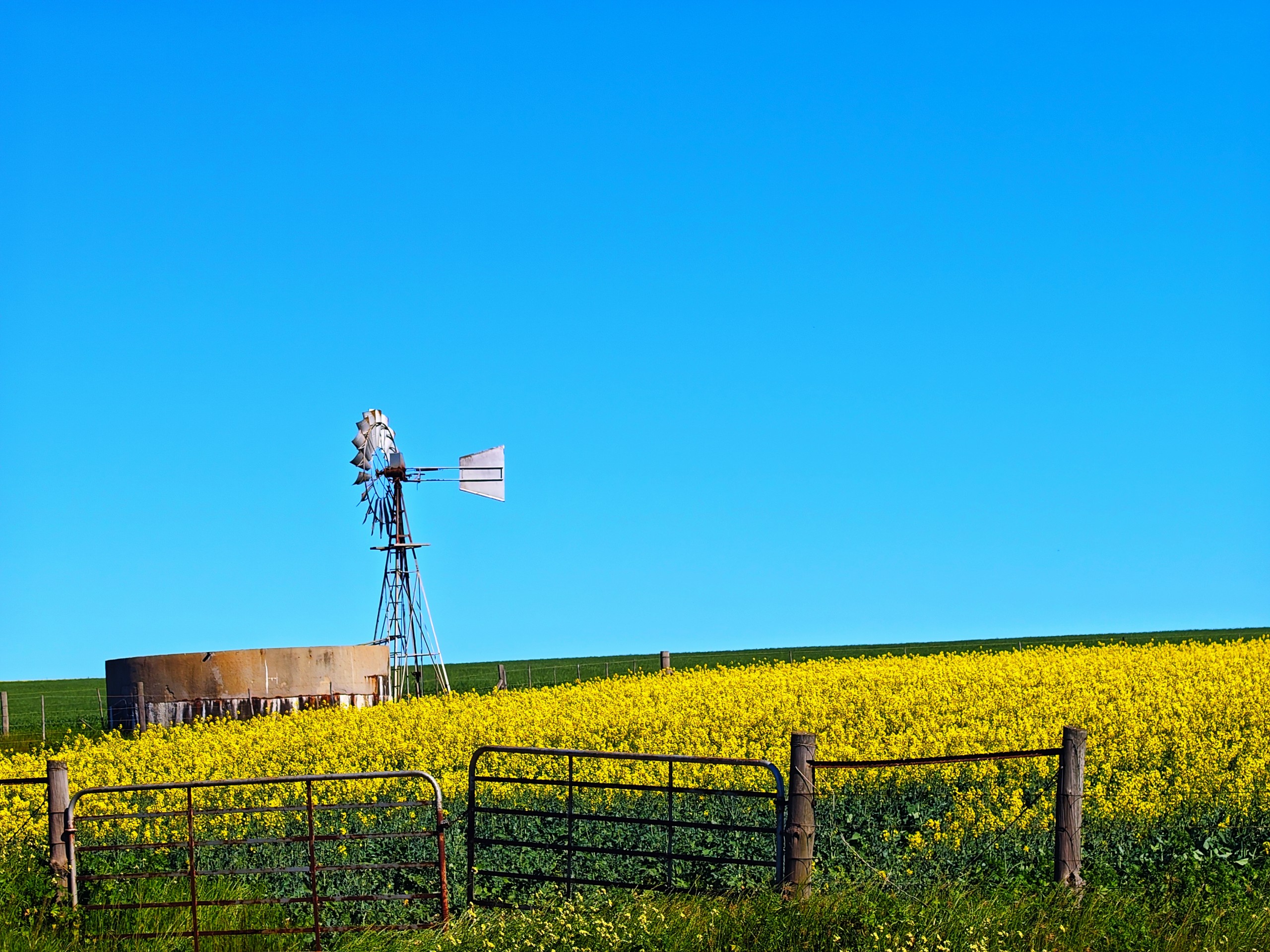
CAPE TOWN – The government has quietly published a ten-year plan that could change what farmers may grow, what fishermen may catch, how businesses deal with waste, and who controls traditional knowledge. It could open the door to more GMOs, impose new permit burdens on small-scale communities, and redirect water tariffs toward conservation.
Yet most South Africans have never heard of the draft National Biodiversity Strategy and Action Plan 2026 to 2035.
David Maynier, Minister of Forestry, Fisheries and the Environment, has published the draft plan for public comment on Wednesday 5 August. The NBSAP is South Africa’s primary instrument for implementing the Convention on Biological Diversity at a national level, and it sets out how our country will protect and manage its natural wealth over the next ten years.
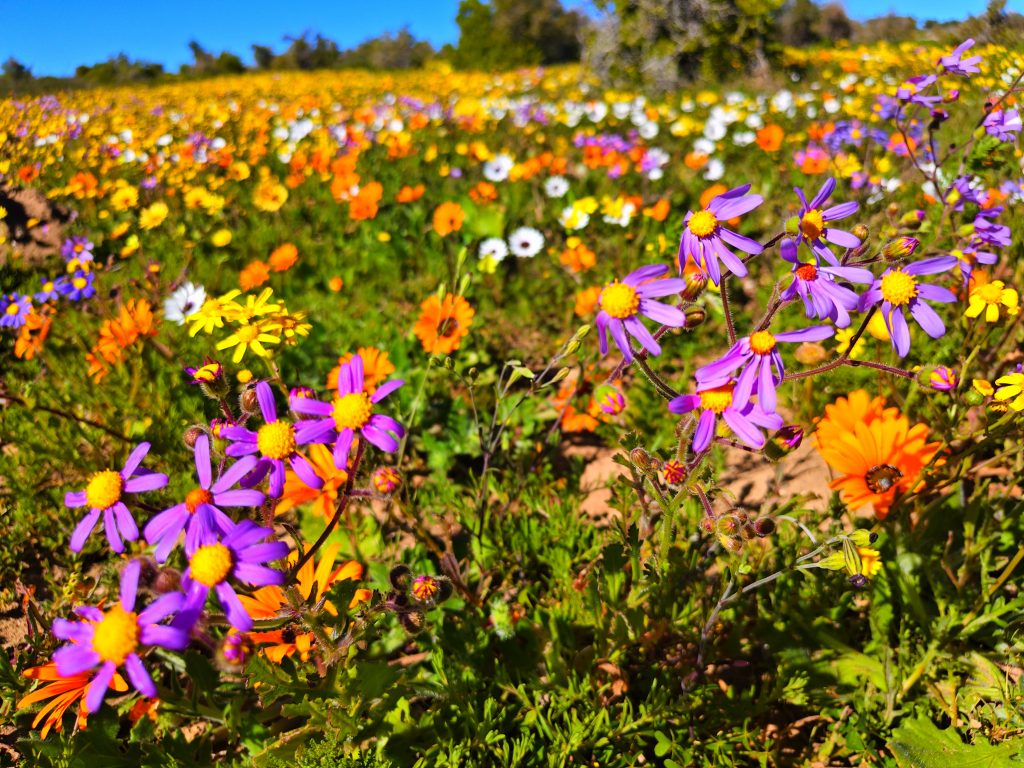
What does “biodiversity” mean? It is the variety of life on Earth, from fynbos in the Western Cape to elephants in the Kruger National Park, from fish in our oceans to the bees that pollinate our crops. It provides our food, clean water, medicine and air. But the plan that governs it is not just about saving plants and animals. It touches land use, property rights, industrial costs, genetic data and who benefits from indigenous knowledge.
Following the adoption of the Kunming-Montreal Global Biodiversity Framework, all countries were asked to update their plans to align with the new global goals and targets. The updated NBSAP serves as the main national vehicle to translate global ambitions into concrete, measurable actions that fit South Africa’s own circumstances.
The document covers twelve thematic areas directly intertwined with everyday life. These include the control of invasive alien species that dry up our water sources, the expansion of protected and conserved areas, the management of human-wildlife conflict, the promotion of the biodiversity economy that can create jobs, addressing pollution and waste, and ensuring that local communities and traditional knowledge are recognised and protected.
Issues that stand out
GMOs and biotechnology
The plan proposes shifting from a risk-averse approach to an “innovation-enabling” approach to biotechnology. This could open the door to more GMO releases, with less caution and more promoted access, while risk assessments are published on the Biosafety Clearing House. People concerned about GMOs may see this as a shift in the wrong direction.
Digital Sequence Information (DSI)
The document wants Digital Sequence Information, which is electronic data about genetic material, to fall under access and benefit-sharing rules. This could affect researchers and universities who share data internationally, and it could place the control of traditional communities over their genetic resources in dispute.
Indigenous knowledge
The plan proposes recording traditional knowledge in a national register (the National Indigenous Knowledge Management System, NIKMAS) and formally verifying it. On the surface this sounds good, but it raises questions such as: Who owns that knowledge once it is uploaded into a government system? What happens to consent and confidentiality? There is a risk that knowledge could be manipulated or misused once it is outside the community’s control.
Land use and property rights
Protected areas are set to be expanded, and the new Preservation and Development of Agricultural Land Act (2024) and spatial planning rules could place restrictions on how farmers, mining companies and developers use land. Farmers on private and communal land could face new conditions about what they may do on their own land.
Compliance and permits
Stronger compliance, cross-agency inspections and the involvement of customs could restrict informal or traditional access to natural resources. Small-scale farmers and communities could end up with more paperwork and permits.
Finance mechanisms
Although no specific new tax is named, the plan proposes using biodiversity bonds, credits and offsets, as well as environmental fiscal measures and tariffs (including directing income from water charges to ecological infrastructure). This could pass costs on to consumers and businesses.
Industrial costs
New pollution control, waste management and chemical regulations could impose new costs and administrative burdens on businesses, municipalities and communities that must now comply.
In short, while the language of the document sounds positive and inclusive, several policy shifts are made in it that could shift the balance between conservation and development, between communities’ rights and government control, and between risk and innovation. This is precisely why public comment is important, so that people who may be affected can ask questions and propose conditions before it becomes final.
An important aspect of the plan is the emphasise on the fact that protecting our nature is not just the government’s job, but that every sector, from farming and mining to businesses and ordinary citizens, plays a role. The plan also emphasises the importance of public participation, indigenous and local community rights and capacity building to ensure that all people are heard.
The public is now invited to submit written comments by 3 September. Send your comments:
By post
Malepo Phoshoko
Director-General, Department of Forestry, Fisheries and the Environment
Private Bag X447, Pretoria, 0001
By hand
Reception, Environment House, 473 Steve Biko Road, Arcadia, Pretoria, 0083.
By email
Send to nbsapcomments@dffe.gov.za.
Enquiries can be directed to Malepo Phoshoko at MSPhoshoko@dffe.gov.za or 066 420 0215. The draft document can be viewed on the Department of Forestry, Fisheries and the Environment website.
Why should you comment?
Because this plan determines how our natural environment will be managed over the next ten years, and it affects every person in South Africa. Whether you are a farmer, a fisherman, a business owner, a community leader or just a citizen who cares about the future, your voice counts. If you do not speak, others make decisions on your behalf about the air you breathe, the water you drink, and the land you leave behind for your children. The opportunity to speak is now.
Source: Government Gazette notice, Department of Forestry, Fisheries and the Environment, 5 August 2026.



You must be logged in to post a comment.