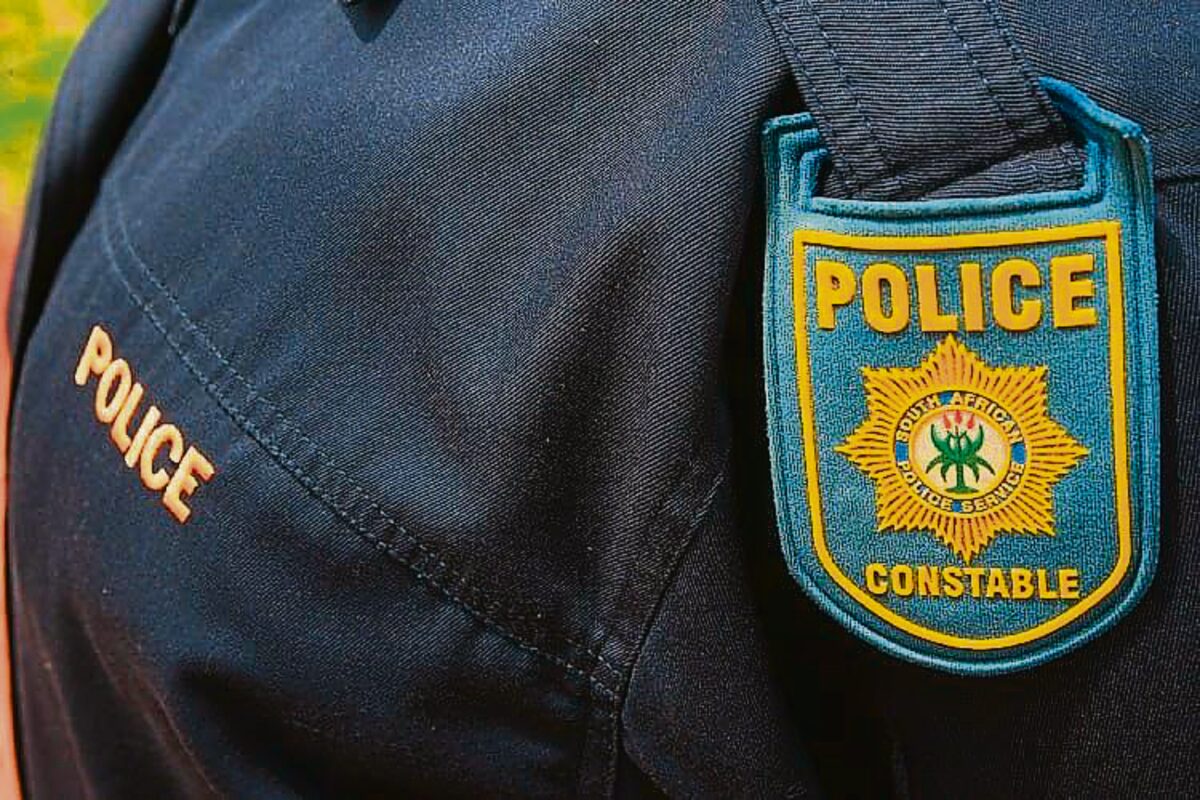
Understanding your rights when interacting with the South African Police is important to ensuring fair and lawful treatment. Weslander’s sister publication, the Paarl Post, reached out to the Western Cape Police Ombudsman to clarify some common questions about what the public is entitled to in their dealings with the police.
1. Firstly, the newspaper asked what are the key rights every citizen should know when interacting with the police.
According to the Ombudsman, this answer can be found in Chapter 2 of the Bill of Rights of the Constitution of the Republic of South Africa, 1996 (Act 108 of 1996).
This section in the Bill of Rights outlines the rights and freedoms guaranteed to all citizens of South Africa. It is a cornerstone of South Africa’s democracy and human rights framework, ensuring that every individual is entitled to specific rights, such as the right to life, dignity, equality, freedom of expression, and access to justice, among others.
Some key takeaways in this bill include:
• Section nine states that every person (race, gender, ethnicity, religion, or any other factor) is equal before the law and has the right to equal protection and benefit from the law.
• Section 12 of chapter two states that no one may be arrested or detained without just cause, nor subjected to excessive force by the police or any other source of violence.
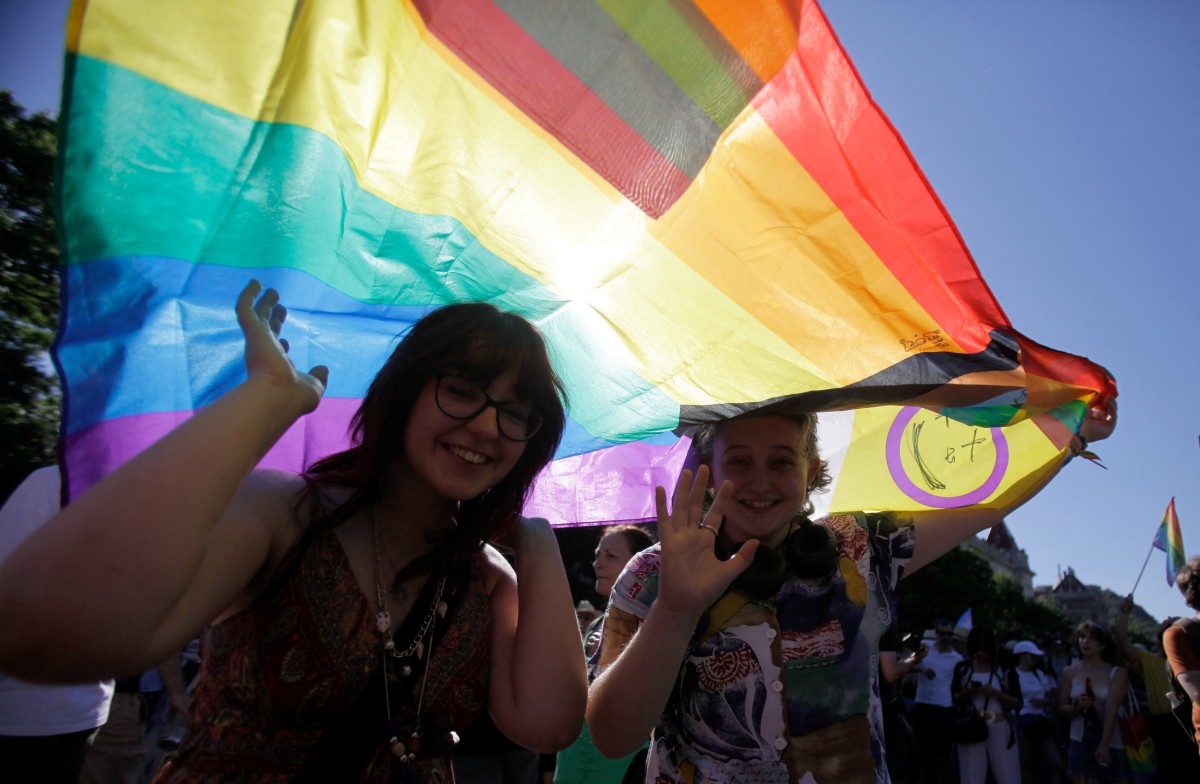
• Under section 17 citizens have the right to peaceful protest and cannot be arrested or assaulted by the police for lawful demonstrations.
2. What are an individual’s rights regarding search and questioning if they are stopped by a police officer in a public place or at a roadblock?
The Western Cape Police Ombudsman states that police must have reasonable suspicion of an offence or unlawful possession before searching. In the case of a roadblock, proper authorisation under Section 13(8) of the Police Act is required.