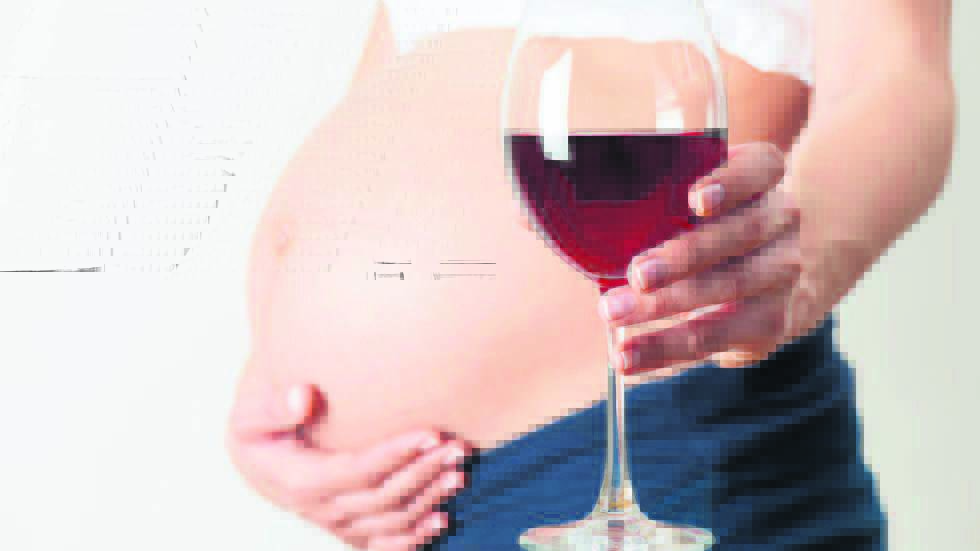
A mother’s alcohol consumption can cause irreversible damage to her unborn baby.
Foetal alcohol syndrome disorder (FASD) is, however, completely preventable if a pregnant woman refrains from drinking alcohol.
International Foetal Alcohol Spectrum Disorder Awareness Day, observed on 9 September, once again highlighted the fact that alcohol is harmful to an unborn baby. When a pregnant woman consumes alcohol, it may affect the baby’s organs, with the brain being most vulnerable to damage.
The term FASD describes a range of possible effects caused by alcohol use during pregnancy. When a pregnant woman drinks, alcohol moves through the placenta and causes irreparable damage to the foetus. Critical development of the brain, central nervous system and face of the foetus already takes place during the second week in pregnancy when very few women even suspect a pregnancy.
With the commemoration of International FASD day on 9 September each year, there is a renewed focus on creating awareness that any amount of alcohol during pregnancy is detrimental to the development of the unborn baby. There is no safe amount of alcohol during pregnancy.
Alcohol in any amount is toxic for the developing foetus and damages the developing brain. This leads to lifelong problems with learning and socialising. There also is a direct relation between alcohol use in pregnancy, behavioural problems, hyperactivity, concentration problems and a wide variety of health and mental health issues.
Research in SA has shown that the prevalence of FASD in the country is higher than any other place in the world where similar research was done.
Western Cape Minister of Health and Wellness, Dr Nomafrench Mbombo, says “FASD is a life-long condition, and any amount of alcohol can cause harm to an unborn baby, the effect of which is seen too many times in our facilities. The problems caused by FASD vary from child to child, and are not reversible. We call on pregnant women to abstain from alcohol use during pregnancy, and also upon family members, friends and partners to encourage the message of abstinence during pregnancy. Its nine months of not drinking alcohol to spare a child, and the child’s family, a life time of effects.”
Factors that contribute are binge drinking, incorrect or irregular use of contraceptives leading to unplanned pregnancies and late pregnancy recognition and the persistent belief that only hard liquor is detrimental to the developing foetus.
“We must remove the stigma, so that children and people with FASD can receive the right care and support. I would also like to reiterate that FASD is preventable. [The Department of Social Development] will continue to support communities with prevention and early intervention programmes, which include men and fathers, and the role they can play in preventing FASD,” said Western Cape Minister of Social Development Sharna Fernandez.
The FAS study by the Department of Psychiatry at Stellenbosch University has drawn on research done in Robertson, Ashton, Montagu and Bonnievale since 2008. In support of alcohol-free pregnancies this study emphasises the following facts:
. There is no safe amount of alcohol in pregnancy.
. All alcoholic drinks are detrimental to the development of the foetus.
. If a woman uses alcohol she must use her contraceptives responsibly to prevent an unplanned pregnancy, which can cause damage to the unborn baby.
. Damage is caused throughout pregnancy from even before a woman realises she is pregnant up to the birth of the baby.
. Pregnant women need the support of their partners, friends, family and community to assure alcohol-free pregnancies.
. Breastfeeding women should not drink alcohol. Alcohol in breast milk adds to the damage already caused by alcohol use during pregnancy.