Communities across the Western Cape are facing increasing water shortages as South Africa grapples with a national water crisis driven by failing infrastructure, mismanagement and prolonged droughts, officials warned ahead of World Water Day today, 22 March.
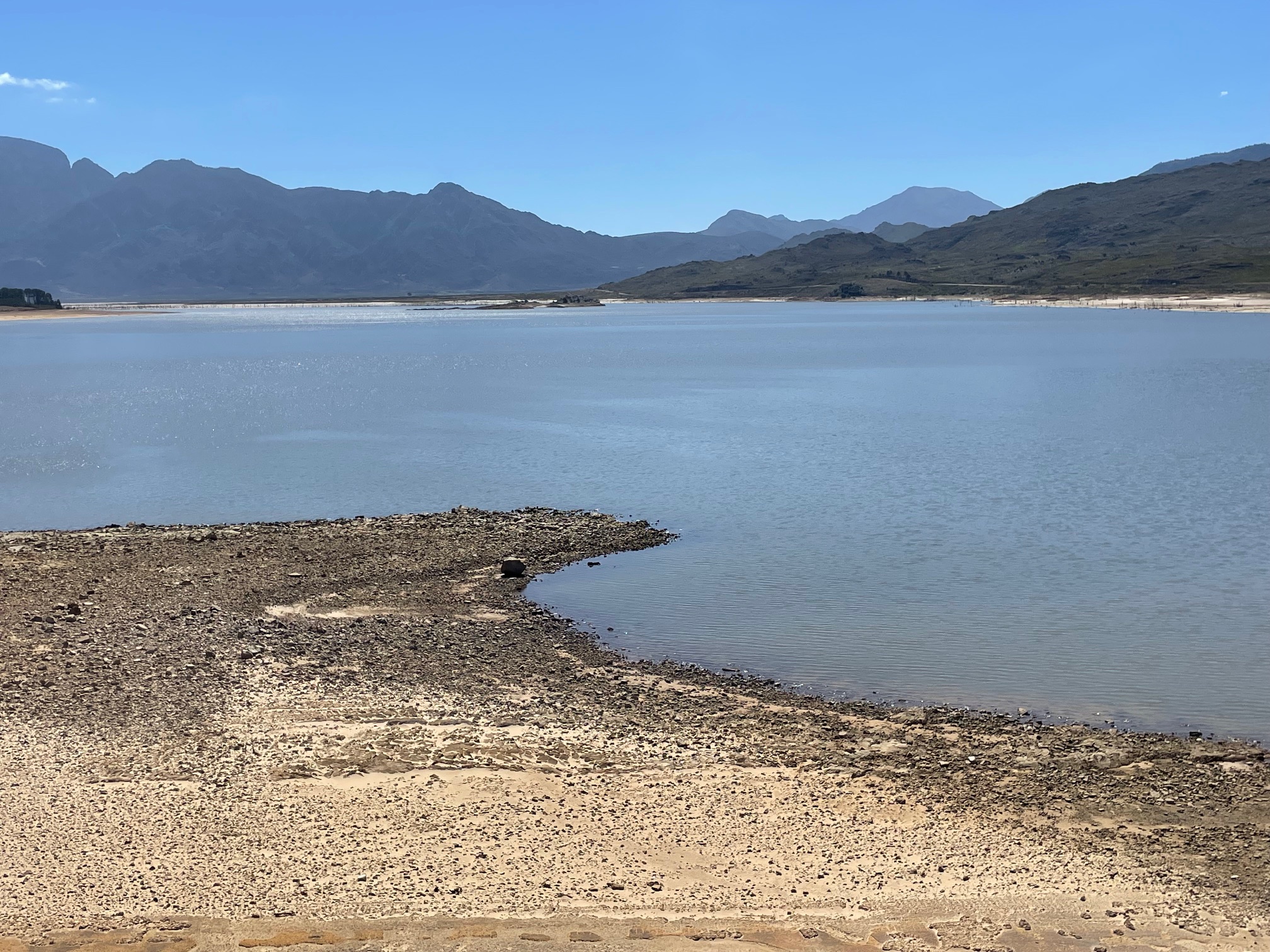
The Western Cape has been particularly hard hit, with communities reliant on smaller reservoirs and surface water systems exposed to the combined effects of low rainfall, ageing water infrastructure, alien invasive trees removing water from natural systems and rising consumption.
South Africa’s water crisis has been fuelled by years of inadequate maintenance of water infrastructure, often poor management at municipal level and recurring droughts linked to climate change. The situation has placed increasing strain on dams, boreholes and groundwater systems across the country, making secure water access uncertain for both communities and ecosystems.
This year’s World Water Day theme, “Water and Gender: Where Water Flows, Equality Grows”, highlights the link between equitable water access and both human wellbeing and ecological resilience.
The theme draws attention to the disproportionate burden placed on women and girls, who continue to shoulder the daily responsibility of collecting and managing household water in many communities. This role can limit their opportunities and reinforce inequality, according to provincial authorities.
Anton Bredell, Western Cape provincial minister of local government, environmental affairs and development planning, called on residents to treat water with respect.
“Let us all use this World Water Day to reflect on the life-sustaining nature of water. I want to urge all residents and visitors to the Western Cape to treat water with respect and never to waste even a drop. If we all do our bit, we can save this precious resource so that everybody can enjoy water security,” Bredell said.
CapeNature chief executive Dr Ashley Naidoo said water was the lifeline connecting communities, economies and ecosystems.
“As pressure on our water systems intensify, we must recognise that sustainable water management is a shared responsibility. These challenges highlight the need for integrated planning, resilient infrastructure, innovative supply solutions and communitywide conservation. CapeNature will continue to conserve our strategic water sources and work with partners, residents and educators to ensure that water security becomes a reality for all communities in the province,” Naidoo said.
While government prioritises aquatic ecosystem restoration, infrastructure upgrades, diversified water sources and long-term resilience planning, officials said collective action at household and community level remains essential.
Authorities have urged the public to adopt water-wise practices including fixing leaks promptly, shortening showers, harvesting rainwater, using efficient irrigation methods and reporting water losses to local municipalities.
The provincial government called on residents, businesses, educators and community leaders to protect aquatic ecosystems, conserve water and champion equitable access.