When a child is being abused, neglected or exploited they are in need of care and protection and its then when the Western Cape Department of Social Development’s (DSD) social workers must often step in to ensure the safeguarding of a vulnerable child.
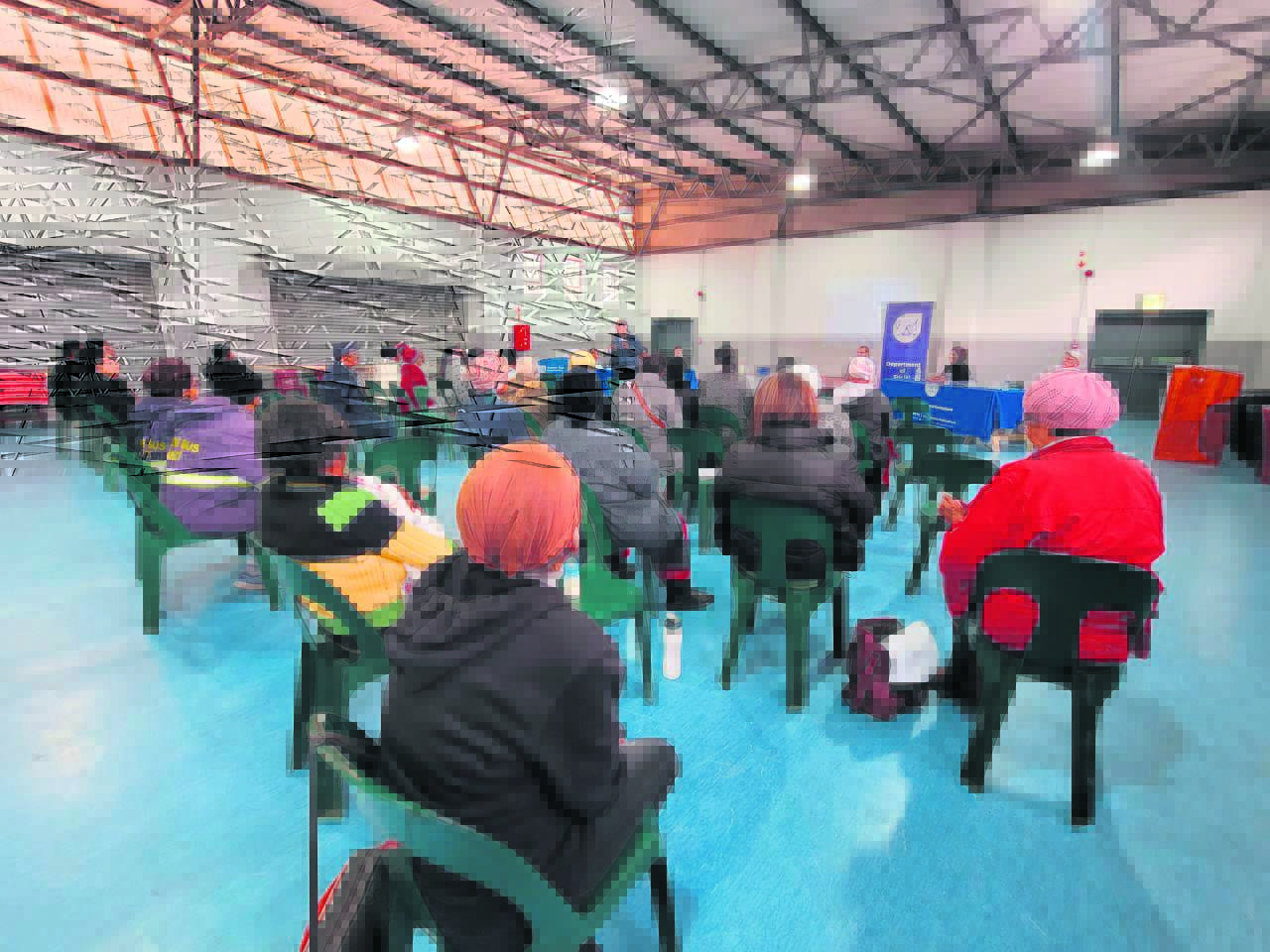
Anroux Marais, acting Western Cape Minister of Social Development, explained this on Tuesday 30 May, when the department held a Safety Parent Recruitment Drive in Atlantis. The drive formed part of Child Protection Week (29 May-5 June) awareness programme.
Atlantis residents braved the icy cold and wet weather to find out how to become a safety parent and the type of support services the Department provides.
“Social service professionals in the Department and in Designated Child Protection Organisations are inundated by cases of child abuse and neglect,” Marais said.
She explained there are over 39 000 children in the foster system.
“We need communities to work with us to ensure the protection of all children. We believe a child’s family is the best place for them to flourish and develop, but should we believe a child is unsafe in their own home, we will remove them and place them in temporary safe care.”
Temporary safe care is a measure that can be used by a designated social worker or police official where they believe, on reasonable grounds, that the child is in immediate danger. If there is evidence that a child is being abused, neglected, or exploited, the child will be placed in temporary safe care.
The child will stay in this place of safety pending the outcome of a formal court process.
Marais said a safety parent is a fit and proper person, over the age of 18 years, who takes temporary care of no more than six children, except where the children are siblings. This care can last for up to 90 days. There are also emergency parents who provide temporary safe care for between 24 to 48 hours.
Andrinie Campbell is a foster parent to her two grandchildren. She now wishes to become an emergency parent as well. “The children in our community are neglected due to such things as alcohol and drug abuse in their homes. I grew up in an era when your child is my child, and I still believe that. I’m going to speak to my husband so that we may make a difference in my community,” she explained.
Jacqueline Windvogel, who runs a local creche, says she will use what she has learnt from the event to encourage people in her network to become emergency or safety parents.
“I came here to find out how to become an emergency parent,” she said. “I can now go into my community and encourage more parents who have the resources to be part of this programme.”
By the end of the event nearly half of the participants gave their details to DSD staff to become safety or emergency parents.
. If you would like information on becoming a safety parent, please call DSD’s toll-free number 0800 220 250 or visit your nearest Department of Social Development local office or visit https://www.westerncape.gov.za/general-publication/become-safety-parent