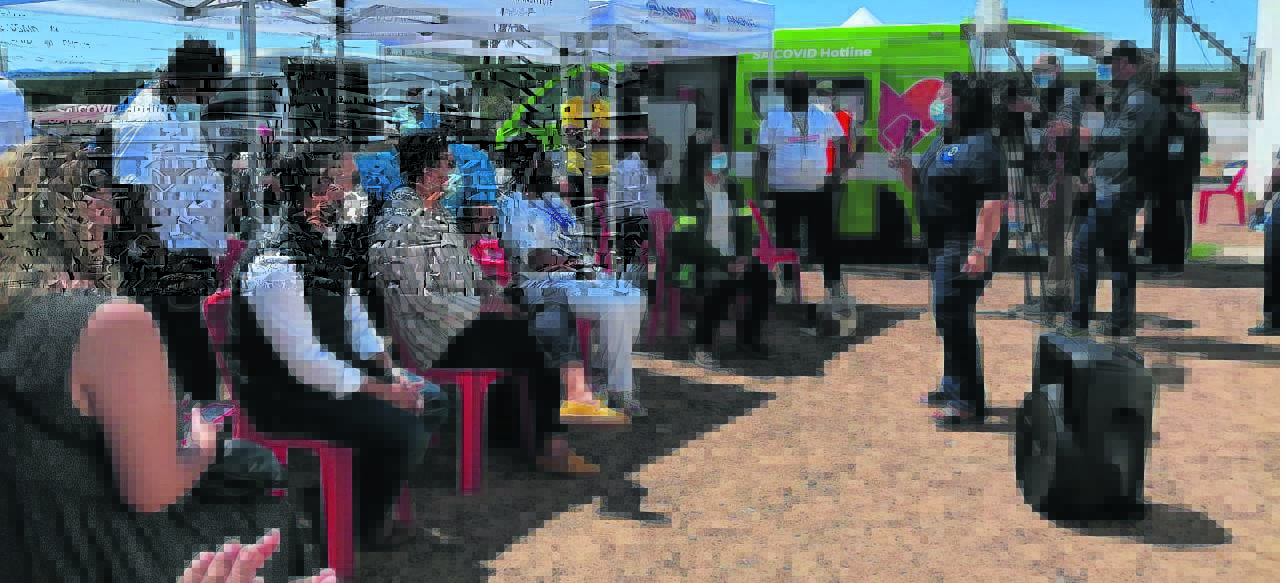
The Western Cape Department of Health and Wellness looks optimistically towards the future of a world free of vaccine-preventable diseases.?The department has a comprehensive vaccination programme providing children and adults with access to lifesaving vaccines and interventions, regardless of their geographic location or socioeconomic status.
African Vaccination Week was observed from 20 to 29 April under the World Health Organization (WHO) theme “Humanly Possible: Saving lives through immunisation”. Parents are again encouraged to ensure their children’s vaccinations are up to date.
Even though most parents vaccinate their children it’s normal to have questions about vaccination. Misinformation on the internet and social media about the safety of vaccines has also caused concern for some people.
“Vaccines are safe and effective in preventing common illnesses which cause severe disease and morbidity,” said Dr Heather Finlayson, Paediatric Infectious Disease Specialist at Tygerberg Hospital. “Vaccines are typically studied extensively before being used in the general population. Side effects from vaccines are typically mild and less severe than complications from the illness they are preventing. In South Africa, any side effects from vaccines should be reported, and this helps in identifying specific concerns quickly.”
In South Africa children should be vaccinated at birth, 6 weeks, 10 weeks, 14 weeks, 9 months, 18 months, 6 years and at 12 years old. All these vaccines are available free of charge at all public clinics, and several partner private pharmacies. Bring along your child’s Road to Health immunisation booklet at every clinic visit. Our school health nurses who have been providing health-care services in schools for many years will conduct scheduled immunisations, such as deworming and Vitamin A drops, and health checks as part of the expanded program of immunisation in the Western Cape.
Parents are issued with consent forms at the start of the first term of the school year to indicate which health services they wish their child to receive in school. If you have missed your child’s immunisation date, visit your nearest health-care facility and speak to one of the nurses at the baby clinic.
Another important vaccination administered to young girls in Grade 5, is the Human Papillomavirus (HPV) vaccine, which protects one’s daughter from contracting cervical cancer later in life. She will receive one injection that the school health nurse will administer, and it will not be given to a child without written consent.
“The greatest defence we can acquire lies not in hesitation, but in action,” shares Sr Judiac Ranape, District Nurse trainer and Facility Programmes Manager for the Mamre, Saxon Sea and Protea Park Clinics. “Therefore I urge communities, through education, information and informed consent, to embrace vaccines so we can build a shield of protection among all of us young and old one shot at a time.
“Every vaccinated individual is a beacon of hope, illuminating the path towards healthier, more vibrant communities with a future of wellness. As we commemorate African Vaccination Week let us spread the courage far and wide, encouraging parents and caregivers to bring the children to our facilities for vaccination. As health-care workers we should reassure communities and ensure vaccines are safe and accessible for all at the clinics, childhood development centres and schools so that no one can be left behind. Let us all be protected by the shield of immunity.”
The HPV vaccine has been administered in schools for the last ten years before Covid-19, and Sr Ranape assures the community that it does not prevent pregnancies later in life.
“We will not give your child any vaccination without your written consent,” she said. “A form will be sent home with your child for routine child health immunisations. We understand that parents have concerns so we encourage them to read up on the HPV vaccination on credible websites and not social media, so you can make an informed decision about the future of your daughter’s health.”
African Vaccination Week reminds us that vaccination remains one of the most efficient and cost-effective health-care interventions available to us and brings all communities into contact with primary health care.?