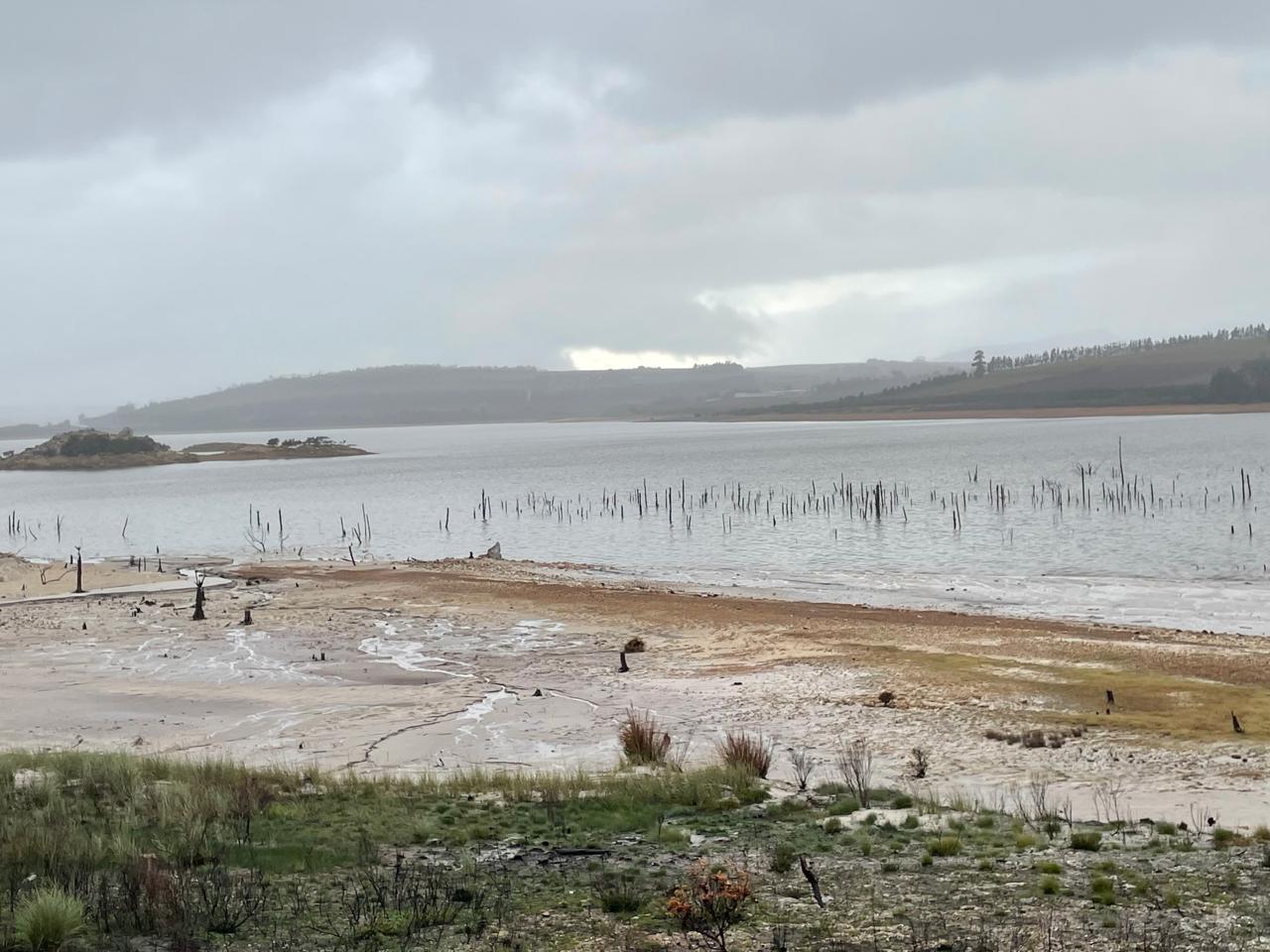
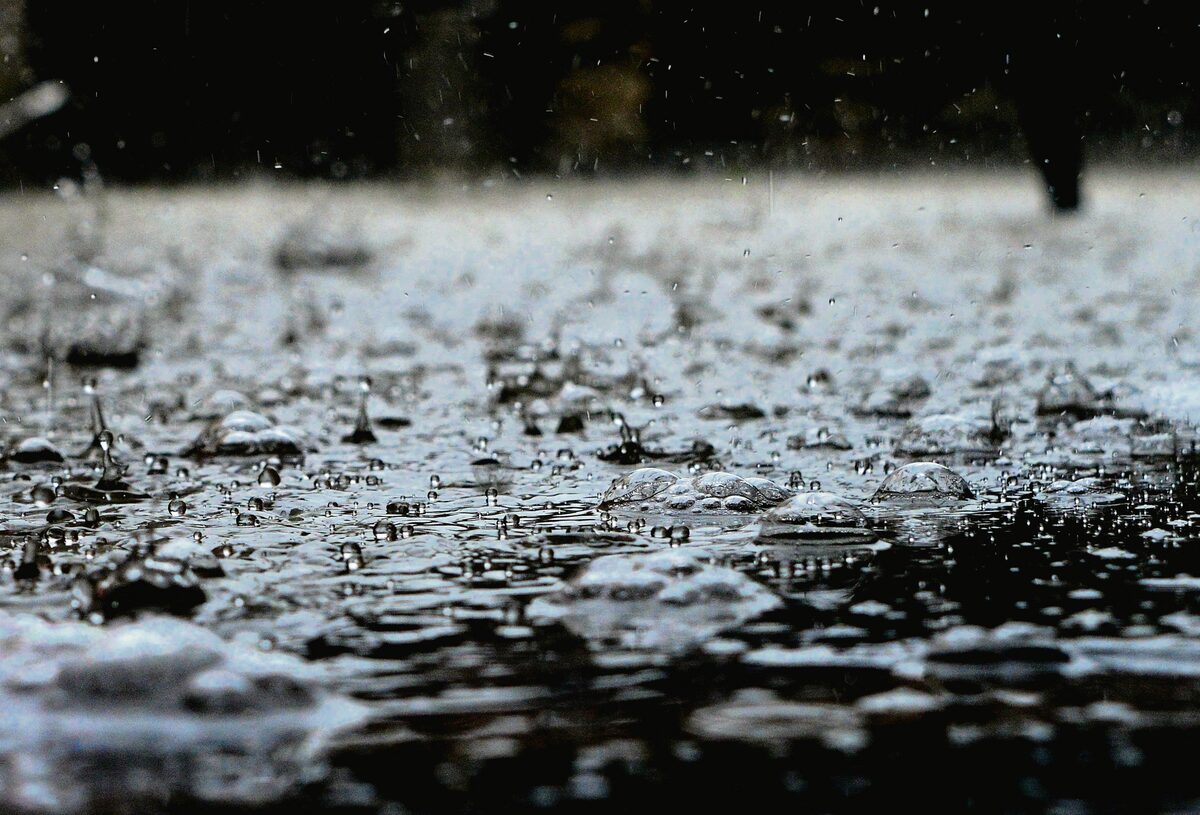
The rain showers in some catchments during the past weeks did not yield significant inflows to the dam storages of the Western Cape Province.
This according to the hydrological report of 22 May.
The Western Cape Water Supply System consists of six largest dams in the province and is currently at 61,31% a small uptick compared to 60,76% last week, 2% lower than at the same time last year.
Andile Tshona, DWS acting national spokesperson, says traditionally May is supposed to one of the wettest months in the Western Cape. However, the dams are slowly replenishing this year, triggering the need to intensify water conservation initiatives.
He said: “The Gouritz River Catchment which covers Little, Central Karoo and the coastal belt of the Southern Cape is currently at 53,38%, a better yield compared to 46,43% same time last year. The catchment includes the eastern side, which has prospects of summer rainfall.”
On individual dams, Kammanassie, Koos Raubenheimer and Roodefontein dams saw an increase of over 5%, while Bulshoek Dam is the only dam that has saw a decrease of more than 5%.
The Theewaterskloof Dam, the largest dam in the province accounting for a significant water supply, 45% of the Western Cape Water Supply System Dams, is currently 58,66%, a notable decline compared to 66,28% last year. The observed water use for Theewaterskloof pumping is tracking below the previous year’s (2021-’22) actual usage
The department wishes to remind all water users that South Africa remains a water scarce country, therefore, efforts need to be doubled to inculcate the culture of saving the available water resources in efforts to ensure water security.