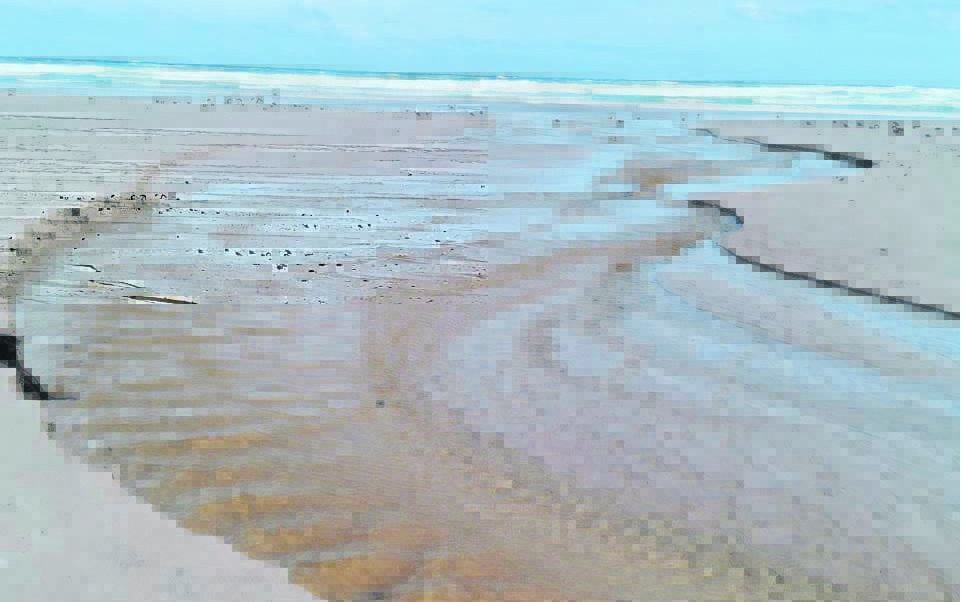
The City of Cape Town’s biodiversity management staff at the Witzands Aquifer Nature Reserve conducted a nurdle hunt at Silverstroom Beach recently to assist in a clean-up effort.
This formed part of a global effort, the Great Global Nurdle Hunt, which uses citizen research and knowledge to get a handle on a serious nurdle pollution issue the world currently faces.
Nurdles are small pre-production plastic pellets used as raw material for manufacturing plastic products. They are regularly lost to the environment following spills during packaging, transporting and manufacturing.
Spilt nurdles enter stormwater drains and end up in waterways, estuaries, oceans and beaches, where they can inadvertently are ingested by marine fauna such as turtle hatchlings, birds and fish.
Citizens can continue to contribute to ongoing research to highlight the general nurdle pollution problem by recording nurdle sightings on beaches using the international Great Global Nurdle Hunt platform (www.nurdlehunt.org.uk).
The team’s efforts and findings were recorded in a report that was recently presented at COP26 in Glasgow, Scotland. Some 221 nurdles were found by the team of three volunteers covering a 120-m coastal strip within an hour.