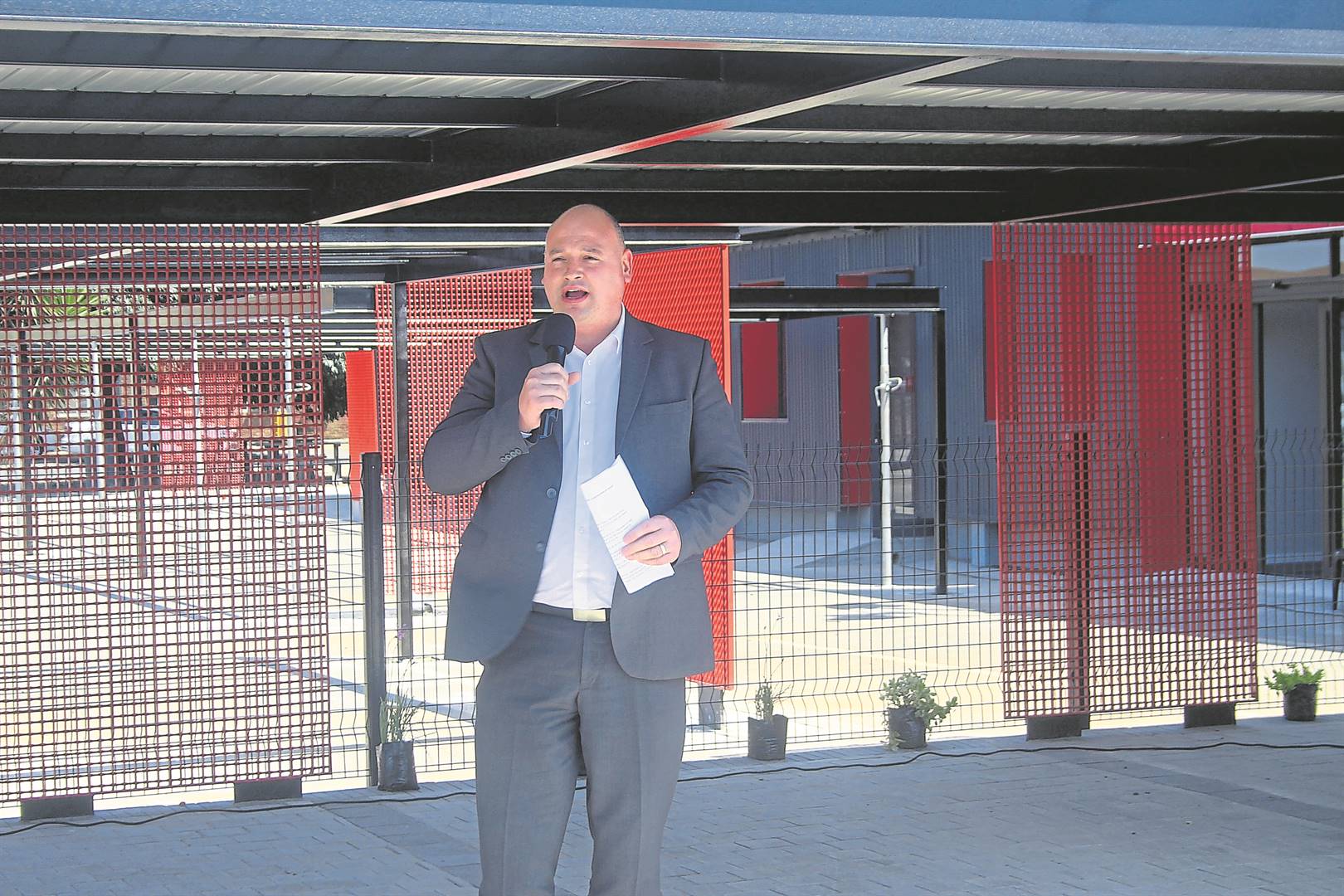
The City of Cape Town’s draft 2022-’23 R713 million budget earmarked for growing the local economy plots a roadmap for bolstering Cape Town’s small businesses and industries, and increasing Capetonians’ access to opportunities. This is a budget that demonstrates the City’s deep desire to get the basics right and build on their economic manifesto, said Mayco Member for Economic Growth James Vos.
Highlighted is the expansion and improvement of the e-permitting system for those working in the informal sector. The system will expand on the City’s ability to support and engage the sector through smarter, interactive e-applications. Vos says: “I’m also exceptionally proud to have motivated for a capital expenditure pipeline of projects over the next three years to provide smart, dignified and accessible trading spaces with infrastructure such as Wi-Fi to make life easier for traders and the consumers they interact with.
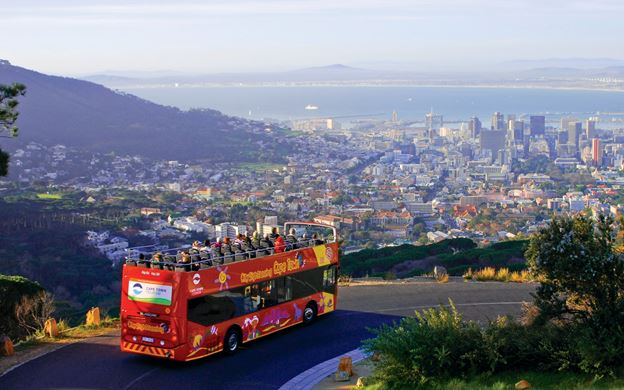
“We will continue to drive workforce development through programmes such as Jobs Connect and the Cape Skills and Employment Accelerator. In less than a year, these two projects have engaged more than 40 000 Capetonians,” he explains. “Our goal to provide continued and greater backing to our small businesses and start-ups – the engine room of jobs and innovation will take shape under the banner of enterprise development programmes through partners such as Productivity SA and the South African Renewable Energy Incubator and via City initiatives like The Business Hub. “Cape Town’s tourism sector is a major generator of jobs and is vital to numerous other industries such as retail, hospitality and transport. As such, we will continue to drive initiatives that boost ‘tourist entrepreneurs’ through initiatives such as the Neighbourhood Development Manual, which is free and available in three languages. This guides small businesses step by step on operating their platforms and being better tourism service providers. At the same time, we will further promote the metro as the ideal destination for travel. Despite the extreme challenges the industry faced last year, it contributed R5,8 billion to the metro’s economy. This was thanks to innovation and partnerships between the City, and its official Destination Marketing Organisation, Cape Town Tourism, and others.”Vos says it is clear the City’s approach to the economy is both broad and sectoral because they understand Cape Town is made up of diverse industries offering a range of job and investment opportunities.
This is why it will continue to support programmes under Cape Town’s growth coalitions’ narrative.
Its main focus areas will be green technology, aviation and export promotion. The City will further prioritise platforms that raise awareness of Cape Town as an investment hub.
“A testament to these coalitions and its own investor promotion and facilitation unit is the fact that Cape Town has risen in the ranks of the latest Global Financial Centres Index to hone in on the title of Africa’s top investment hub. More to the point, since 2018 R20,5 billion in investments and thousands of job opportunities have been unlocked.”
“My goal with officials in the Economic Growth Directorate is to build on these foundations to realise greater investment in the local economy and ultimately help Cape Town take the crown as Africa’s top financial centre,” Vos says.
“This draft budget speaks to our aim to make life easier for businesses while helping unlock the jobs so many across Cape Town need,” Vos says.