With the start of the new municipal financial year, applications are now open for rates and services relief.
The City of Cape Town is bringing financial relief to vulnerable residents in the metro and urge all eligible residents to apply for the support on offer. Once you have registered as indigent, successful applicants only need to reapply every 12 months from the date of approval.
However, applications from residents 60 years and older, will remain valid until the next municipal valuation of their property comes into effect, which is expected to be from 30 June 2026 or until a supplementary valuation is implemented.
Relief is available for indigent households, pensioners and residents who are struggling. “We ask residents to visit their nearest customer office to see if they qualify for support. Before re-applying, residents must remember to pay off any money that is owed to the municipality,” the City said in a statement.
“We have expanded the qualifying threshold for pensioners and social grant recipients to enable more people to benefit from the lifeline tariff and rates rebates, with the qualifying limit now increased to a monthly income of R22 000, up from R17 500.”
The City has increased the total social support package by more than half a billion rand for 2023-’24, to R4,3 billion in total for rates and services relief.
“The metro continues to offer South Africa’s highest allocation of free water at 15 kl, the highest allocation of free sanitation at 10,5 kl, and up to 60 free electricity units, the most of all metros linking social relief to property value.
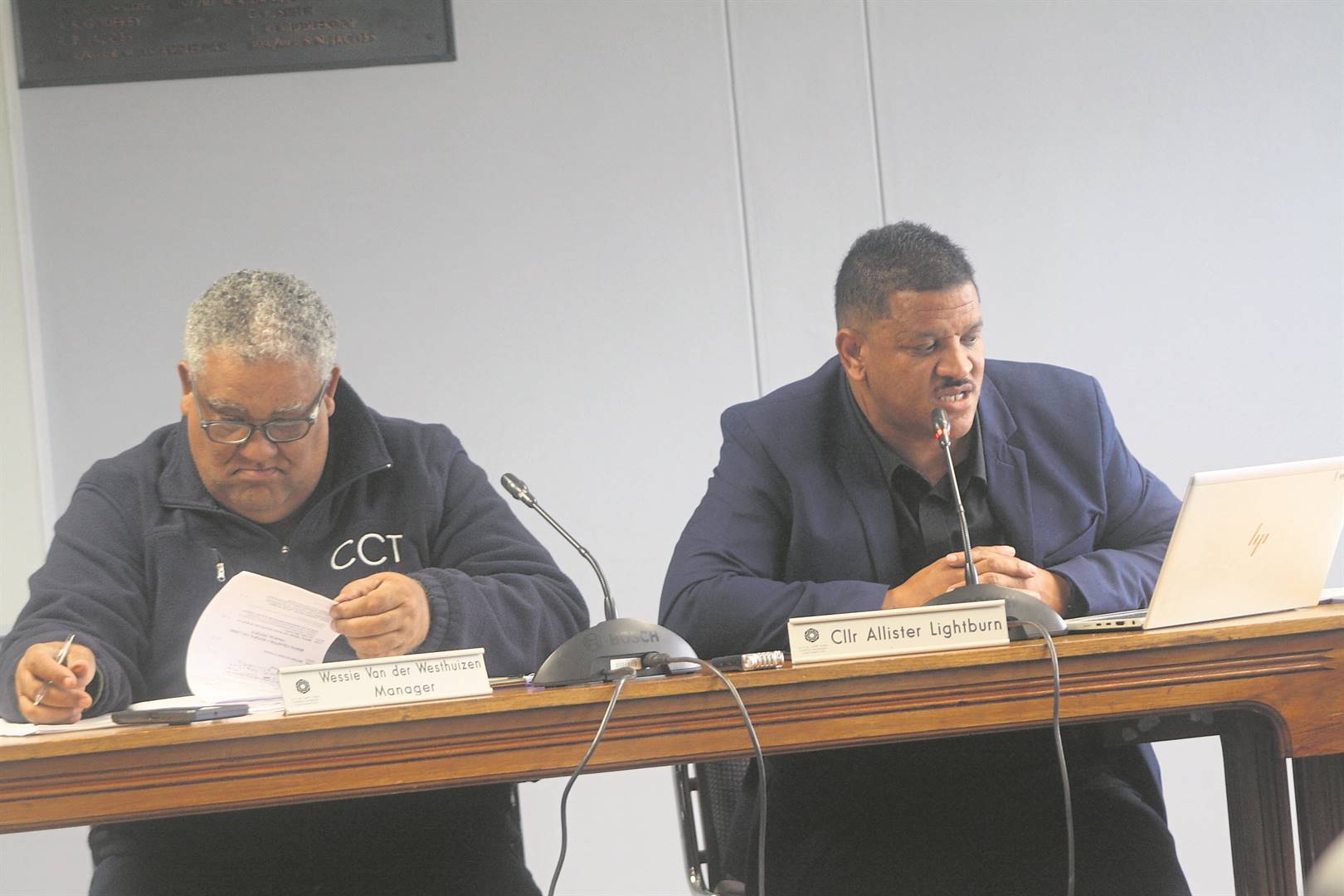
“The City encourages vulnerable residents to approach us for assistance,” said the City’s Mayoral Committee Member for Finance, Councillor Siseko Mbandezi.
Total social package now at R4,3bn
Everyone under the R7 500 monthly household income threshold will get a 100% rebate for property rates and refuse removal, benefitting 192 500 households across Cape Town.
Those in residential living units with a property value of R450 000 will also get this benefit.
All residential properties valued at R5 million and under are also receiving a R450 000 reduction in the property valuation for rates calculation purposes. This translates into R450 000 of a residential property valuation not being rated.
Over 700 000 properties are expected to benefit, representing 80% of all properties in the city.
Lifeline Tariff Customers using 350-600 units will pay R1,84 in this usage band, compared to R3,15 per unit in 2022-’23. This will help to protect households using more electricity this winter, while an average usage of 450 units over a 12-month period still applies to remain in this tariff category.
The City has also upped the property value criteria to qualify for the Lifeline tariff, from R400 000 to R500 000.
It is important for all to remember that residents with a property value higher than R500 000 may also still qualify for the Lifeline tariff if their household monthly income is below R7 500.
Important notice about the Lifeline Tariff
Customers who have moved from the Lifeline tariff to the Domestic tariff because their properties are now valued at more than R500 000 after the General Valuation (2022) may, however, qualify for rates rebates, indigent or pensioner support. If they do, they could receive their supply at the Lifeline tariff on application.
What can these customers do?
1. Visit their local municipal office for advice.
2. Apply to qualify for indigent benefits or for a pensioner / social grants rates rebate. Household income below R22 000 per month.
3. Keep your usage below 450 kWh per month on average over a 12-month period.
4. Limit purchases to below 600 kWh per month to help cope with the Eskom-driven price increase.
Tips to manage household bills
Reduce your geyser’s temperature to 60 degrees Celsius to reduce costs.
Buying electricity in bulk is not cheaper. Rather buy small amounts as required to stay on the cheaper tariff band.
Use less, pay less
Residents may qualify for indigent support if they:
– are a homeowner
– earn R7 500 or less per month
– own only one property
– are the full-time occupant of the home
– use the home mainly for residential purposes
– are a child who lives in the home of a parent who has passed away
– received the house in a divorce settlement
– depend on a pension or a social grant for their livelihood
Applicants will need:
• proof of identification (ID book/card or passport)
• a bank statement for the last three months or a sworn affidavit stating that they do not have a bank account
• a bond statement for the last three months or a sworn affidavit stating that they do not have a bond account
• a copy of the estate documents if the applicant has inherited his or her house
If residents are employed, they must also include:
• latest salary / wage pay slip or a letter from an employer stating their income
• a sworn affidavit if they are self-employed stating how much is earned per month
• proof if a disability grant, maintenance grant or pension is received
If residents are unemployed, they must include the following in the application:
• a sworn affidavit stating that they are unemployed
• a sworn affidavit stating that they have no other source of income
Useful contacts and information
For rates or services relief
Visit: https://www.capetown.gov.za/City-Connect/Apply/Financial-relief-and-rebates/Individuals/Apply-for-indigent-rates-relief or a City customer office.
Email: indigent.relief@capetown.gov.za
Pensioner rates relief
Pensioners (60 years +0 and people, who receive social grants or a pension of no more than R22 000 may qualify for a rates rebate of between 10% and 100%. Visit the nearest City customer care office or send an email to rates.rebate@capetown.gov.za or visit https://www.capetown.gov.za/City-Connect/Apply/Financial-relief-and-rebates/Individuals/Apply-for-senior-citizen-suppo