

Ongoing water disruptions in Midrand and Gqeberha are not isolated incidents but symptoms of a national infrastructure crisis requiring R400-billion to address, according to engineering experts.
The (SAICE) has warned that 105 municipalities are operating with critical or poor water and sanitation systems, whilst 47% of municipal water is lost through leaking pipes, faulty meters and illegal connections.
Recent water outages in Midrand followed a power interruption at a bulk water treatment facility, which caused delayed recovery of pumping capacity and left reservoirs unable to stabilise supply in the densely populated area.
In Gqeberha, the collapse of electricity transmission infrastructure triggered failures across water distribution and sanitation systems, affecting households, healthcare facilities and businesses.
“Water infrastructure functions as an integrated system. When that system is properly maintained, it can absorb shocks and recover quickly. When assets are ageing and maintenance is deferred, even a single disruption can escalate into a prolonged crisis,” said Sekadi Phayane-Shakhane, chief executive officer at SAICE.
The 2022/2023 Blue Drop report found that 46% of drinking water in municipal supply systems does not comply with microbiological standards, an increase from 5% in 2014 when audits were previously published.
Dr Sean Phillips, director-general at the Department of Water and Sanitation, confirmed the scale of the problem. “We’ve estimated that the backlog for water services infrastructure, not only in terms of fixing what’s broken, but also routine or preventative maintenance, is about R400-billion,” he said.
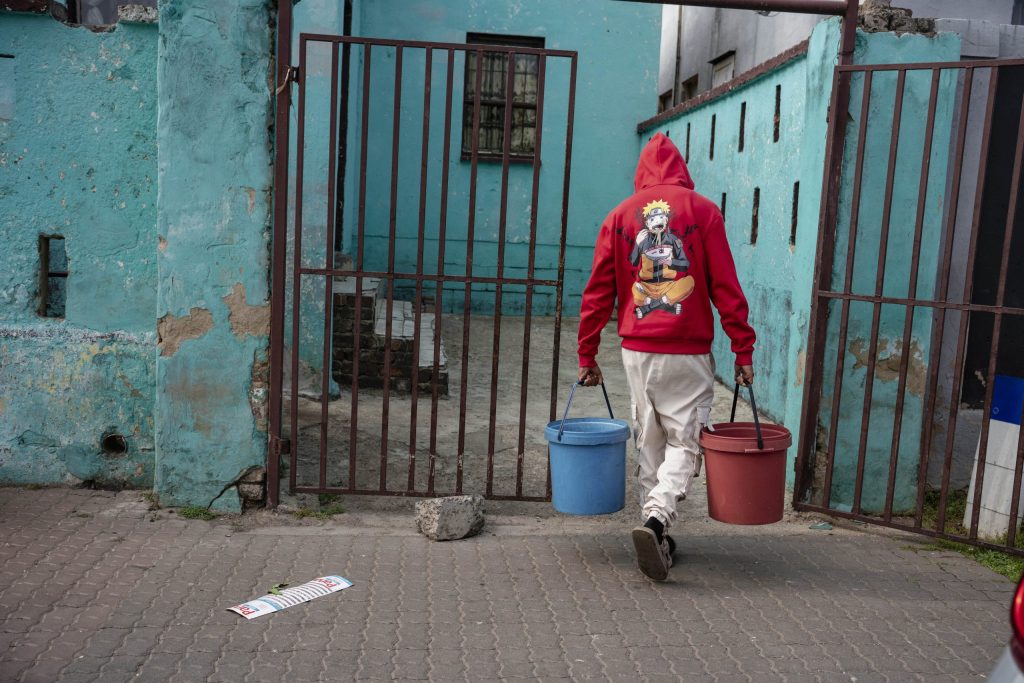
The interdependency between electricity and water infrastructure compounds the problem. Pump stations, treatment works and reservoirs depend on continuous electrical input, and when power supply becomes unreliable, water security deteriorates rapidly.
Tauqeer Ahmed, chairperson of the SAICE Knowledge Trailblazer Committee, said many municipalities lack reliable asset condition data. “Without regular, professional inspections and condition assessments by registered practitioners, decisions default to reaction rather than planning. Emergency call-outs replace scheduled renewal, and risk accumulates quietly in the system,” he said.
The Auditor-General has repeatedly flagged that repairs and maintenance spending falls below the National Treasury benchmark of approximately 8% of the carrying value of municipal assets.
Despite the R23-billion secured by the Infrastructure Fund for seven new large water infrastructure projects announced in the 2025 State of the Nation Address, SAICE has called for greater investment in maintaining existing infrastructure.
“Infrastructure rarely fails without warning. Pipes leak before they rupture. Towers corrode before they collapse. Pump efficiency degrades long before systems shut down entirely,” Ahmed said. “If we don’t do routine maintenance today, we will pay far more tomorrow in emergency repairs and premature replacements.”
Phayane-Shakhane emphasised that infrastructure performance reflects institutional choices. “Public infrastructure is designed to serve communities across generations, not electoral cycles. When maintenance is deferred or professional capacity is weakened, the consequences are not immediate, but they are inevitable,” she said.
SAICE said South Africa has the technical expertise to manage infrastructure sustainably, from registered professionals to innovators using automation and digital twins, but this capability needs to be integrated into public institutions.
The Green, Blue and No Drop reports, published in 2022 and 2023, are regulatory mechanisms the Department of Water and Sanitation uses to monitor the quality and service delivery of water and sanitation services by municipalities.
ALSO READ: Johannesburg water crisis threatens thousands of jobs as DA heads to court




You must be logged in to post a comment.