GQEBERHA – The Nelson Mandela Bay Business Chamber has relaunched its Adopt A School water-saving initiative as the metro faces a looming water crisis, with dam levels plummeting to just 39.75%.
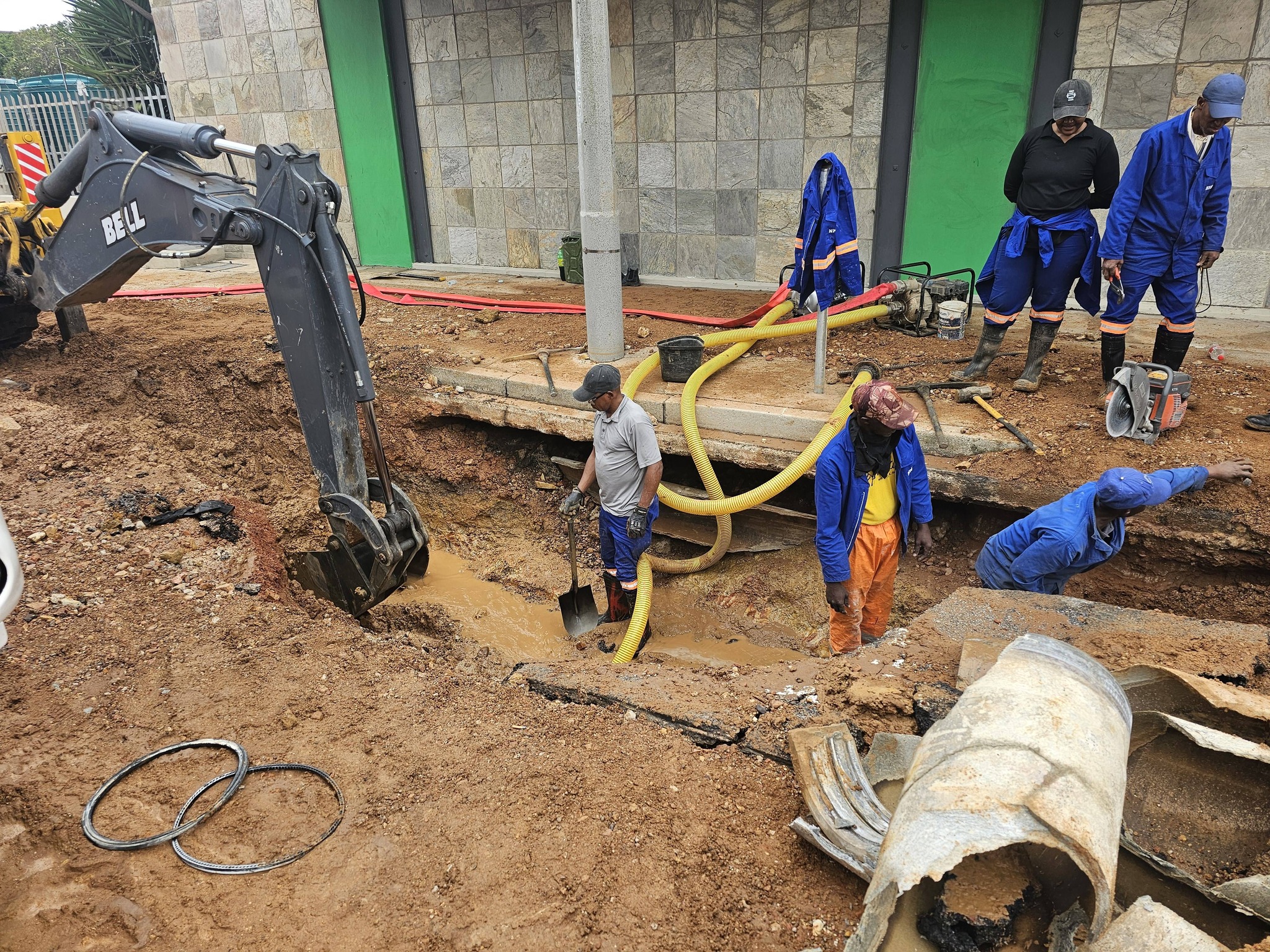
The metro is grappling with a perfect storm of challenges: rapidly declining dam levels, infrastructure failures that waste over half of all treated water and soaring consumption that’s 37% above sustainable targets.
Water usage has reached 384 megalitres per day—more than 100 megalitres over the 280 MLD target. Meanwhile, crumbling pipes, widespread leaks and meter tampering are costing millions of litres daily.
“That’s over 100 MLD over-target and is clearly unsustainable,” said Denise van Huyssteen, CEO of the Nelson Mandela Bay Business Chamber. “Nelson Mandela Bay is a water scarce area and consumers should be actively reusing, recycling and conserving water.”
Fire crisis adds pressure
According to the Business Chamber, extreme heat and runaway fires across the region are placing additional strain on the already fragile water system.
“We’re watching dam levels drop whilst simultaneously needing water for firefighting,” Van Huyssteen explained. “This should be setting off alarm bells across every level of leadership in the metro.”
The situation echoes the near-disaster of 2021, when Nelson Mandela Bay came dangerously close to running dry. Van Huyssteen expressed concern that lessons from that crisis haven’t been properly learned.
“It’s deeply concerning that there hasn’t been sustained focus on protecting water security since then,” she said. “Nearly half of the metro’s water remains unaccounted for.”
Proven solutions
The original Adopt A School initiative saw 18 businesses adopt 76 schools, tackling leaks that contributed 10% of the Bay’s total water losses.
Even more successful was the Adopt A Leak programme during the 2021 crisis. Businesses funded repairs in seven high-need areas, fixing leaks at over 4,200 households and saving 1.6 million litres daily – a 23% reduction in water consumption across those areas.
“That programme showed what’s possible when urgency, accountability and collaboration come together,” Van Huyssteen said. “We measured success in litres saved, and that focus made all the difference.”
The Chamber is calling for immediate action from both the municipality and residents.
Van Huyssteen urged people to fix leaks, use water sparingly and invest in water-saving solutions like rainwater harvesting and greywater reuse.
“Waiting for crisis levels before changing behaviour is a risk our metro cannot afford,” she warned. “The long-term cost of doing nothing is far greater than the cost of acting now.”
Despite the challenges, Van Huyssteen believes Nelson Mandela Bay remains “the most fixable metro in the country” with tremendous growth potential—but only with coordinated action.
Businesses interested in supporting the water interventions can contact Cay-Lin Liberty at risk@nmbbusinesschamber.co.za.