
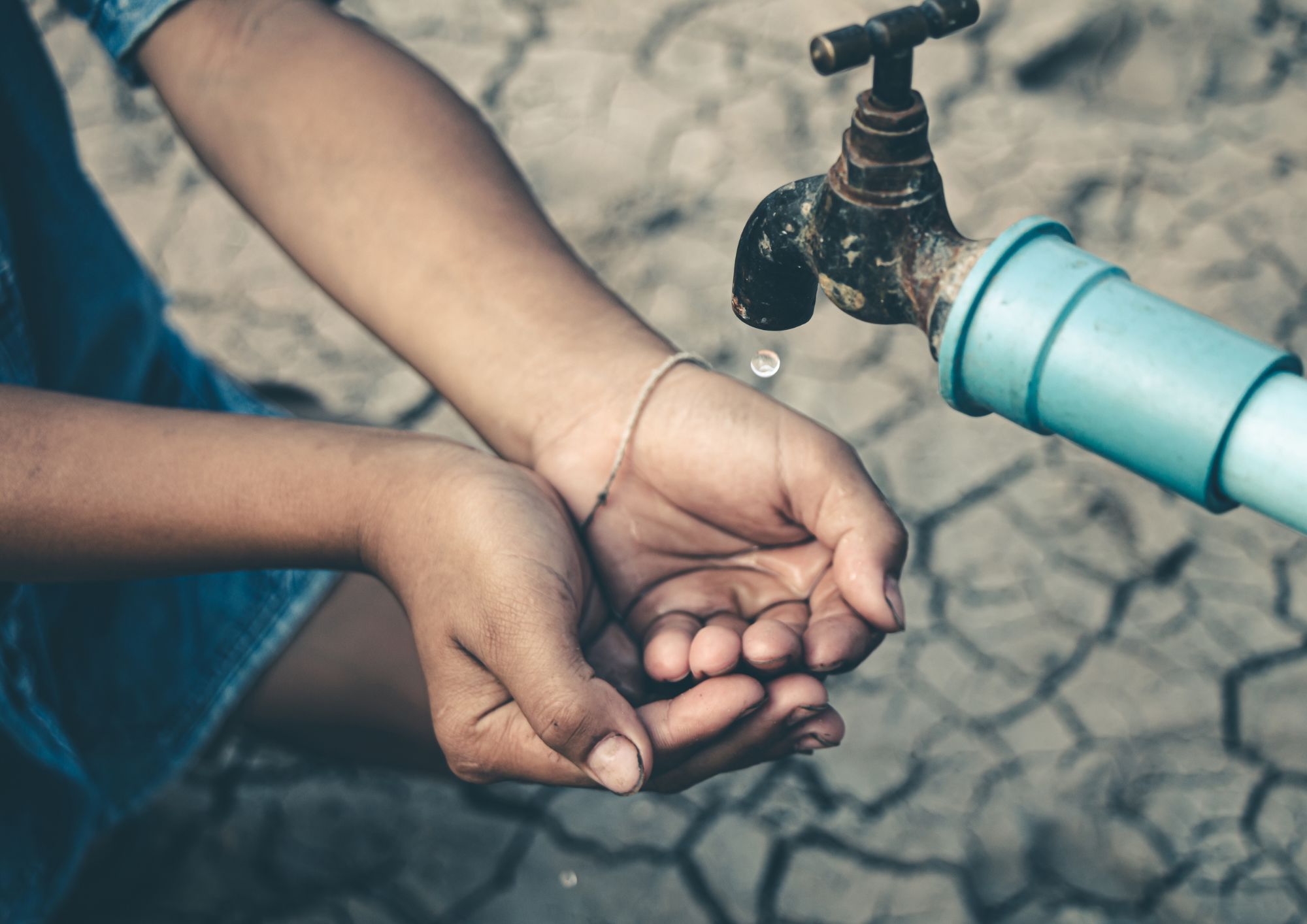
South Africans are being urged to understand a new and alarming global reality: water bankruptcy. This is the point where water systems are so overused and mismanaged that they can no longer recover.
A United Nations report warns that the world has entered an “era of global water bankruptcy”, with serious consequences for food security, economies, and everyday access to safe water.
The concept is simple. Just as households can overspend their income and drain their savings, countries and cities can use more water than nature can replace. Once underground aquifers, rivers, and wetlands are depleted or polluted beyond repair, the system is effectively “bankrupt”.
For South Africa, this is not a distant risk. CEO of South African National Bottled Water Association (SANBWA) Charlotte Metcalf says water bankruptcy is not about drought alone: “This is about years of poor planning, weak maintenance, pollution, and over-extraction. A good rainy season does not fix a broken system.”
Across the country, ageing infrastructure, high water losses, polluted rivers, and unmanaged groundwater extraction have left many municipalities operating on borrowed time. In some areas, boreholes are drilled without proper studies, aquifers are over-pumped, and once-clean sources become vulnerable to contamination.
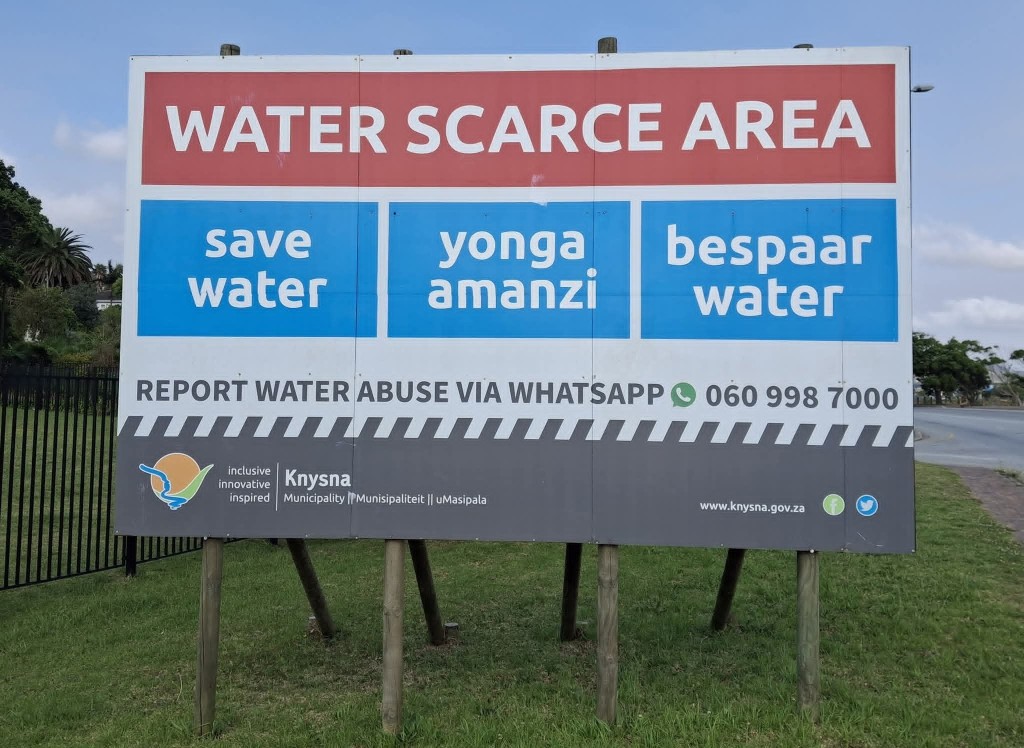
Knysna provides one of the clearest examples of water bankruptcy in South Africa. Despite being a high-rainfall, high-income coastal town, Knysna has faced repeated water emergencies driven largely by years of poor water management, delayed infrastructure upgrades, and increasing demand from population growth and tourism.
The Vaal River system also increasingly reflects functional water bankruptcy, where water still exists but has become progressively unusable due to sustained mismanagement, including chronic sewage pollution, failing wastewater works, degraded wetlands, and weak enforcement.
“This is why SANBWA insists on strict, science-based requirements for our members. Every prospective member must submit a report by a qualified hydrogeologist that proves the water source is sustainable in the long term and protected from pollution,” Metcalf explains.
The UN report makes clear that many water systems worldwide can no longer return to historic levels, even if rainfall improves. The damage is permanent.https://www.greenpeace.org/africa/en/blog/51757/water-crisis-in-south-africa/
The report highlights that water bankruptcy is overwhelmingly caused by human decisions, not nature alone. Mismanagement, lack of monitoring, and failure to protect water sources are common threads.
For consumers, the implications are serious. Water bankruptcy affects food prices, household water reliability, public health, and economic stability. “When a water system collapses, the poorest communities feel it first and hardest. That is why responsible water stewardship is a social and economic necessity,” Metcalf states.

She believes the UN’s warning should serve as a wake-up call for South Africa to protect water resources before they are lost permanently: “Declaring water bankruptcy is not a call for panic. It’s about honesty. If we face the reality now, we can still change course.”
Consumers must understand where water comes from and make responsible choices. Pay attention to water sources and ask whether water is sustainably sourced and properly managed. Choose suppliers who can prove their sources are sustainable and protected. SANBWA membership indicates independent hydrogeological assessments and ongoing monitoring are in place.
“For consumers, the first step in avoiding water bankruptcy is understanding that every water choice matters and supporting suppliers who can prove they are protecting water sources for the long term,” Metcalf concludes.



You must be logged in to post a comment.