

The Organisation Undoing Tax Abuse has warned that South Africa’s local government crisis cannot be solved without holding those responsible for municipal collapse accountable, as it submitted final comments on the government’s Reviewed Draft White Paper on Local Government.
The white paper, which closed for public comment on 28 May, represents one of the most significant attempts to reform local government since the original framework was published in 1998. The Department of Cooperative Governance and Traditional Affairs has developed 65 policy proposals spanning 10 chapters, targeting areas including municipal categorisation, accountability systems, professionalisation of administration, ethical leadership, anti-corruption initiatives and infrastructure management.
Among the government’s nine priority areas are financial reform, depoliticisation of municipal administration, reduction of spatial inequality, community participation, and climate-resilient development. The department plans to finalise the white paper following the public consultation process, with legislative amendments to follow through a Local Government General Laws Amendment Bill.
However, OUTA has cautioned that South Africa does not suffer from a shortage of plans to fix municipalities but rather from a shortage of accountability.
“South Africans are tired of paying more and receiving less,” says Julius Kleynhans, OUTA executive manager. “The real test of this white paper is whether it makes municipal failure harder and municipal success easier.”
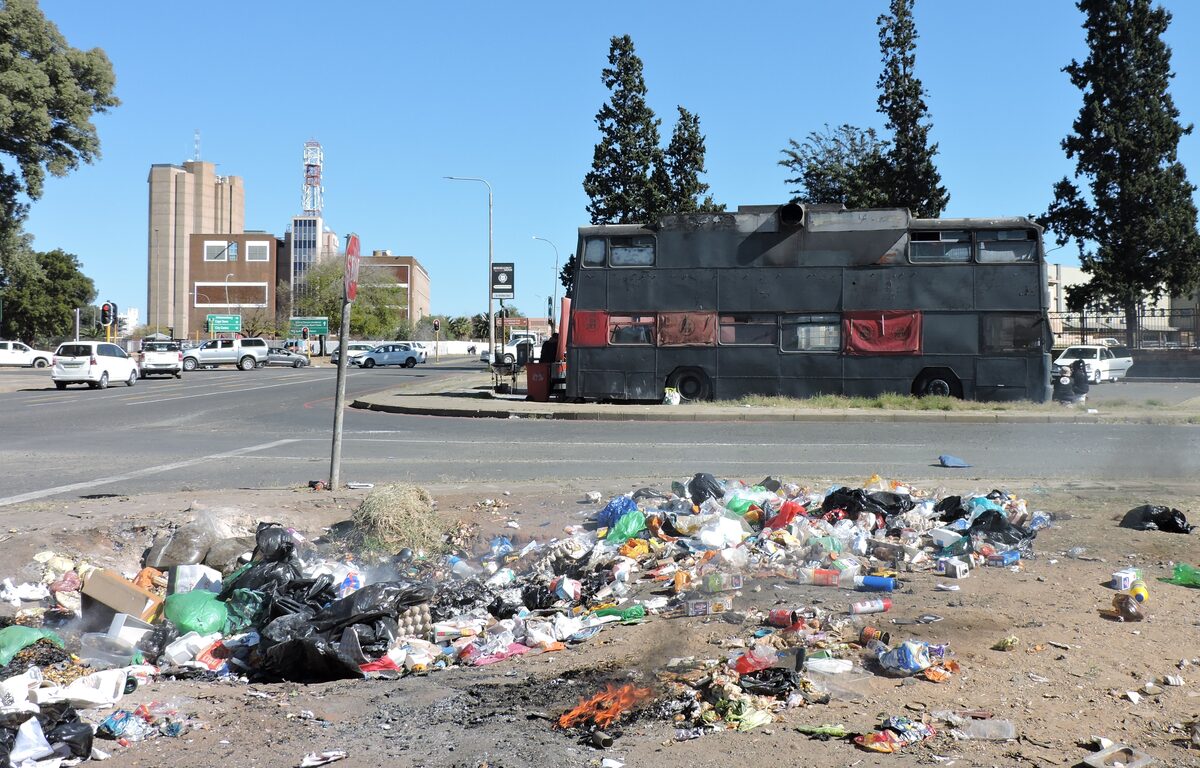
The organisation said many problems residents face daily, including water outages, electricity disruptions, collapsing roads, billing disputes, waste collection failures and escalating tariffs, can often be traced back to poor leadership, political interference, weak oversight and a lack of consequences for misconduct.
Compulsory councillor training before elections
One of OUTA’s key recommendations is the introduction of a compulsory national councillor readiness programme before local government elections.
“Municipalities cannot afford five years of on-the-job learning at the public’s expense,” Kleynhans said. “Councillors do not simply represent communities. They make decisions that directly affect service delivery, municipal finances and residents’ quality of life.”
OUTA said stronger competency requirements should also apply to mayors, deputy mayors, speakers, chief whips, members of mayoral committees, Municipal Public Accounts Committee chairs and councillors serving in critical oversight positions.

Political office bearers must face consequences
The organisation expressed concern about what it described as a serious accountability gap in local government. Municipal managers often face legal, disciplinary and even criminal consequences when things go wrong, whilst political office bearers who interfere in appointments, procurement processes, investigations or financial decisions frequently evade meaningful accountability.
“Political power must carry accountability,” Kleynhans said. “Those who interfere in municipal administration or contribute to financial collapse cannot simply walk away whilst officials carry the consequences.”
OUTA called for stronger sanctions against political office bearers who abuse their authority, including removal from office, personal liability where their conduct causes financial losses, referral for criminal investigation where corruption is suspected, and public reporting on disciplinary outcomes.
Stop charging residents for corruption and waste
The organisation also argued that residents should not be expected to fund municipal inefficiency through ever-increasing tariffs and fixed charges. Many municipalities continue to lose significant revenue through corruption, poor maintenance, water losses, electricity losses and weak financial management, yet the response is often to increase the burden on paying residents and businesses.
“Consumers should not be expected to absorb the cost of failure,” Kleynhans said. “Tariffs should reflect efficient service delivery, not corruption, waste or mismanagement.”
OUTA also called for greater procurement transparency, including public disclosure of tender information, contract awards, contract performance and beneficial ownership details through a centralised municipal procurement portal.
Critical opportunity to reshape local government
The organisation believes the white paper presents one of the most significant opportunities in decades to reshape the future of local government. With local elections approaching and many municipalities facing deep governance, financial and service delivery crises, South Africa cannot afford to get the reform process wrong.
OUTA said the white paper is as important to the future of municipalities as the upcoming local government elections themselves. Elections determine who governs, but the white paper will help determine the rules, accountability mechanisms and standards under which they govern.
“A municipality cannot be fixed by leadership alone if the policy framework is weak, and strong policy means little without capable leadership,” Kleynhans said. “South Africa needs both.”
ALSO READ: National Treasury threatens to withhold cash-strapped Mangaung funds
OUTA warned that a weak final white paper could entrench many of the governance failures that have contributed to municipal decline, whilst a strong and enforceable framework could help create the conditions for better governance regardless of which political party assumes office after the elections.
“The next election will shape municipal leadership for the next five years,” Kleynhans said. “This white paper will shape how local government functions for years beyond that. Getting the content right is therefore critical if South Africa is serious about rebuilding municipalities that are ethical, capable, financially sustainable and worthy of public trust.”
Kleynhans also cautioned that implementation of the white paper must not become trapped in lengthy reform processes whilst municipalities continue to deteriorate. Communities facing collapsing infrastructure, rising tariffs and declining services need practical improvements, accountability and measurable progress as a matter of urgency.
The government is expected to publish the finalised white paper following analysis of public submissions, with legislative amendments to follow.
ALSO READ: Failing municipalities choking local economic growth, warns president



You must be logged in to post a comment.