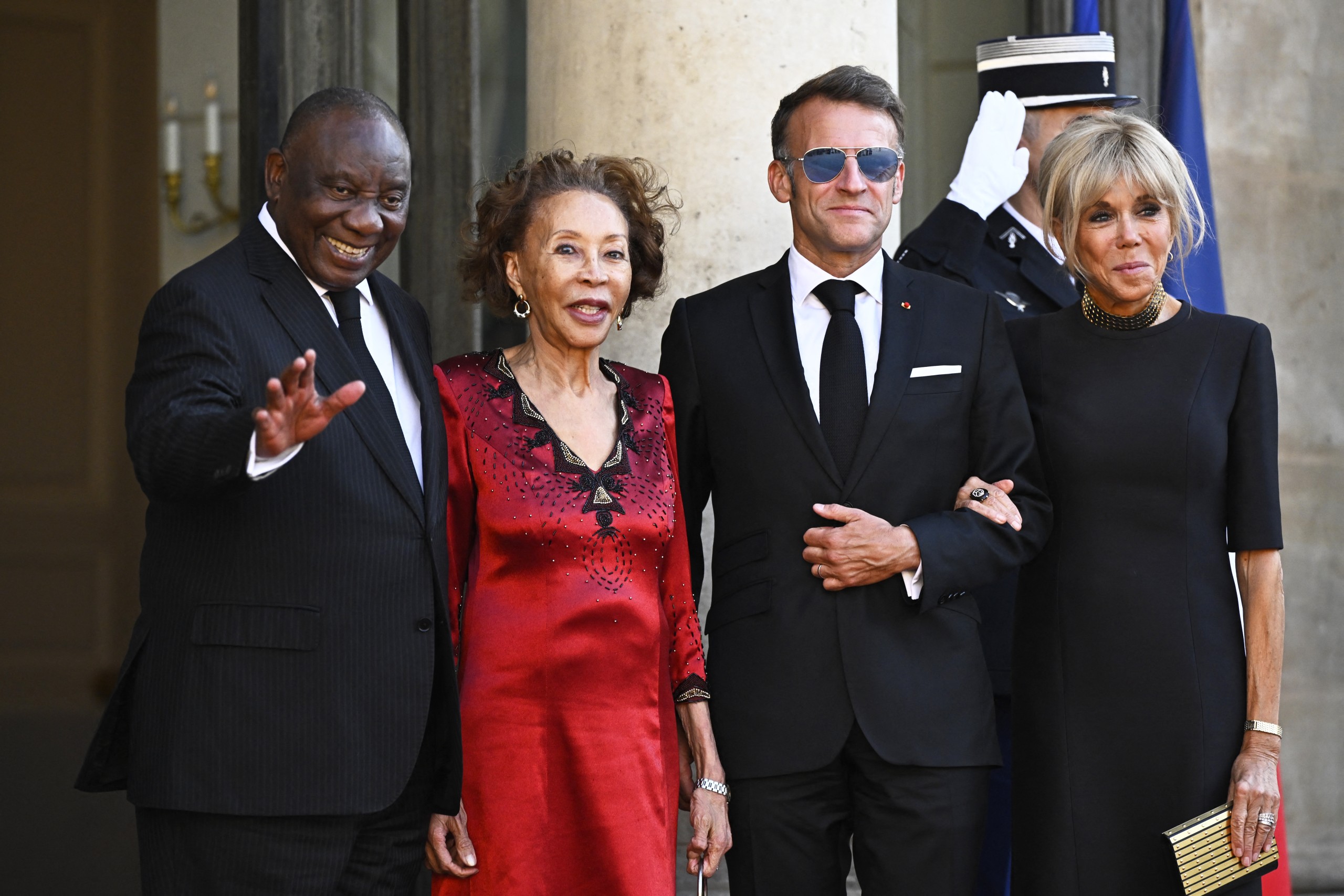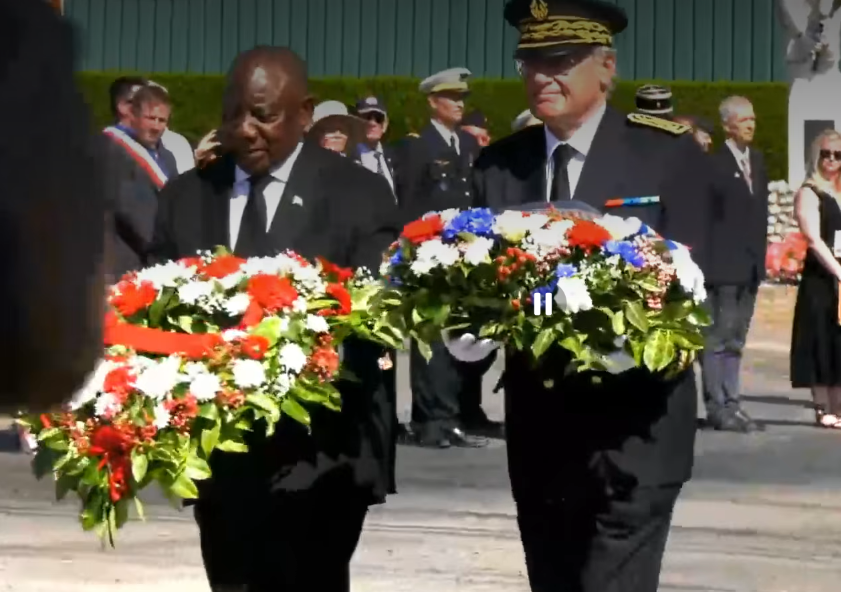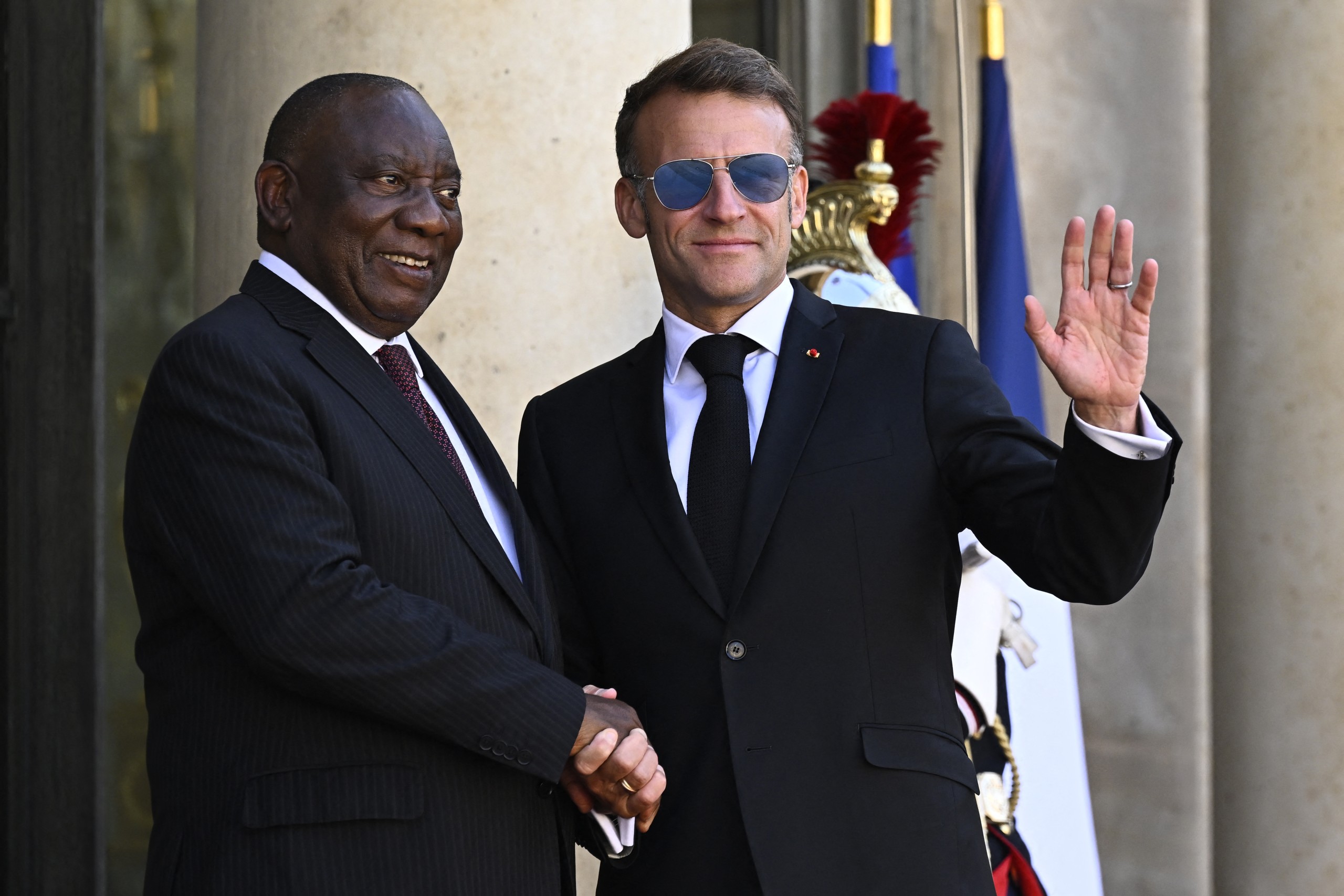
President Cyril Ramaphosa is in France for a three-day state visit combining diplomatic talks and a solemn commemoration of South African soldiers who fell during World War 1.
The visit centres on todays ceremony marking the 110th anniversary of the Battle of Delville Wood in Longueval, northern France, where several hundred South Africans were killed during one of the bloodiest engagements of the Great War, which the President will be attending.
Ramaphosa met with French President Emmanuel Macron in Paris on Friday, with discussions revealing what a French diplomatic source described as “broad convergence of views” on ongoing crises in the Middle East and the Democratic Republic of Congo.
The two leaders shared the same assessment of the “crisis in the Gulf and the economic consequences of the situation in the Strait of Hormuz”, where shipping has been disrupted by the US-Iran war, according to the diplomatic source.
On the situation in the Democratic Republic of Congo, both presidents agreed on the need to “encourage regional efforts for peace and security” in the war-torn eastern regions, where “South Africa plays a stabilising role”, the source added.
A key outcome of the meeting was the agreement to establish an “annual bilateral dialogue at the level of foreign ministers”, strengthening formal ties between the two nations.
Following Friday’s talks, Macron hosted a dinner in Ramaphosa’s honour at the Élysée Palace, attended by families of heroes of the anti-apartheid struggle.
On Saturday, the South African leader met with French business leaders ahead of Sunday’s commemoration ceremony.
The Battle of Delville Wood
The Battle of Delville Wood was fought from 14 July to 3 September 1916 as part of the wider Battle of the Somme. The 1st South African Infantry Brigade, commanded by Brigadier-General H.T. Lukin, was ordered to capture and hold Delville Wood at all costs.
The South African Brigade entered the wood on 15 July 1916 with 3 153 men. Over six days of intense fighting, primarily from 15 to 20 July, the brigade faced relentless artillery bombardment and repeated German counter-attacks.
When the brigade was relieved on 20 July, only 143 men marched out of the wood under Lieutenant-Colonel Thackeray’s command. Eventually, around 750 survivors from the brigade assembled in Happy Valley.
Total casualties for the primary period of engagement reached 2 536 men, including 483 killed, 1 476 wounded, and 120 missing or taken prisoner. The intensity of the shelling buried many bodies under collapsed trenches and shell holes. Only 151 reasonably intact bodies were eventually recovered, with just 81 identified.