

The cycling world’s attention turned to South Africa this week as organisers unveiled the 2026 Absa Cape Epic route, confirming another brutal test across 692 km of the Western Cape’s most unforgiving terrain. Set for March 15-22, the eight-day mountain bike stage race will challenge riders with 15,900 meters of climbing through some of the continent’s most spectacular and demanding landscapes.
Widely regarded as the world’s most challenging mountain bike stage race, the Cape Epic has earned its reputation as “the Tour de France of mountain biking” since its inception in 2004. The UCI hors catégorie event maintains a staggering 30% dropout rate, testament to its relentless demands on both physical endurance and mental fortitude.
The 2026 route begins at the picturesque Meerendal Wine Estate near Cape Town, where riders will enjoy their final moments of civilized comfort before plunging into eight days of wilderness racing. The venue, secured as the prologue location through at least 2028, offers stunning vineyard vistas that belie the savage challenge ahead.
From Meerendal, teams of two riders will traverse the wild expanses of Montagu, where exposed terrain and unpredictable elements separate the prepared from the hopeful. The route’s middle stages wind through the rugged mountain passes of Greyton, featuring technical climbs over loose rock surfaces and high-speed descents that demand absolute precision. The race concludes with a grand finale in Stellenbosch, the heart of South Africa’s wine country, where accumulated fatigue meets terrain that often proves decisive in the final standings.
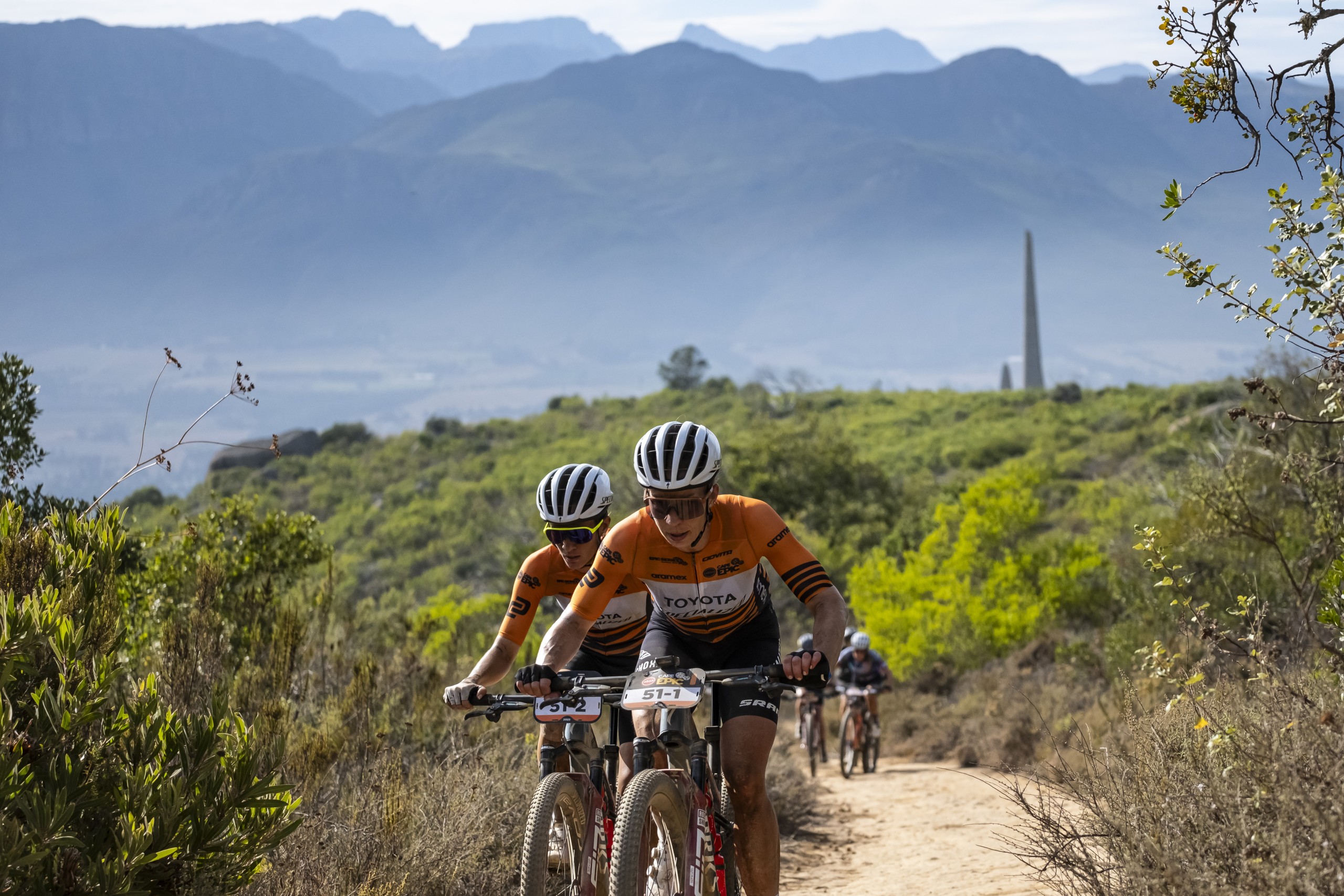
What sets the Cape Epic apart from other endurance events is its unique team format. Partners must complete the entire course while staying within two minutes of each other or face time penalties, creating strategic and psychological challenges that can make or break months of preparation. This requirement has produced some of mountain biking’s most memorable moments, from dramatic rescues to heartbreaking separations when one team member can no longer continue.
The 2026 route delivers approximately 23 meters of climbing per kilometer, reflecting the race’s evolution toward shorter but more technically demanding courses. Riders face dusty singletracks winding through South African wilderness, rocky technical climbs that can end a race in moments of inattention, and exposed mountain sections where weather becomes a critical factor.
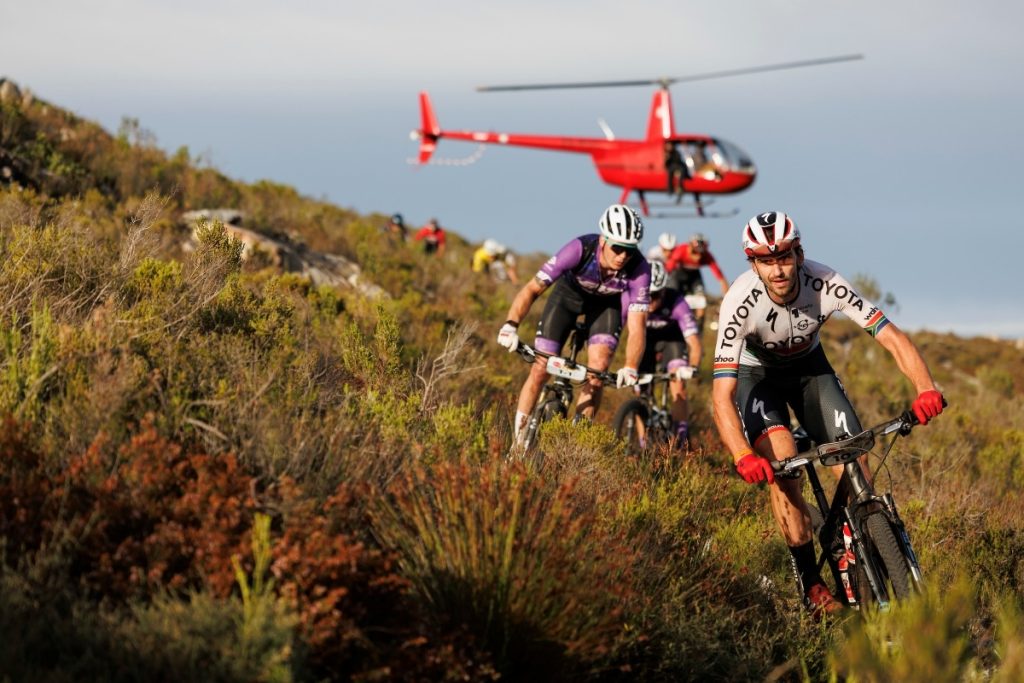
Environmental conditions add another layer of complexity to the challenge. March temperatures in the Western Cape can soar above 35°C, while sudden thunderstorms transform trails into treacherous conditions. Riders must prepare for daily energy expenditure of 4,000-6,000 calories while managing massive fluid requirements in extreme heat, all while maintaining focus during 4-8 hours in the saddle each day.
Entry to the Cape Epic remains highly competitive, with demand far exceeding available spots managed through a lottery system. At approximately 66,273 South African Rand per rider, the financial commitment matches the physical investment required for successful completion, which typically demands 6-12 months of focused training including extensive climbing preparation and technical skills development.
Since Kevin Vermaak founded the race in 2004, the Cape Epic has evolved from an ambitious South African experiment into the world’s most televised mountain bike race, generating significant economic activity across the Western Cape while establishing the region as a premier mountain biking destination.
The 2026 route promises to uphold every aspect of the Cape Epic’s fearsome reputation. From the elegant start among Meerendal’s vineyards through the savage beauty of Montagu and Greyton’s technical challenges to the prestigious finish in Stellenbosch, riders will face 692 kilometers that test the absolute limits of human endurance on two wheels.
ALSO READ: Cliffhanger at Canetsfontein


You must be logged in to post a comment.