Bontebok National Park will begin welcoming visitors again from 1 August after heavy flooding forced its closure three months ago.
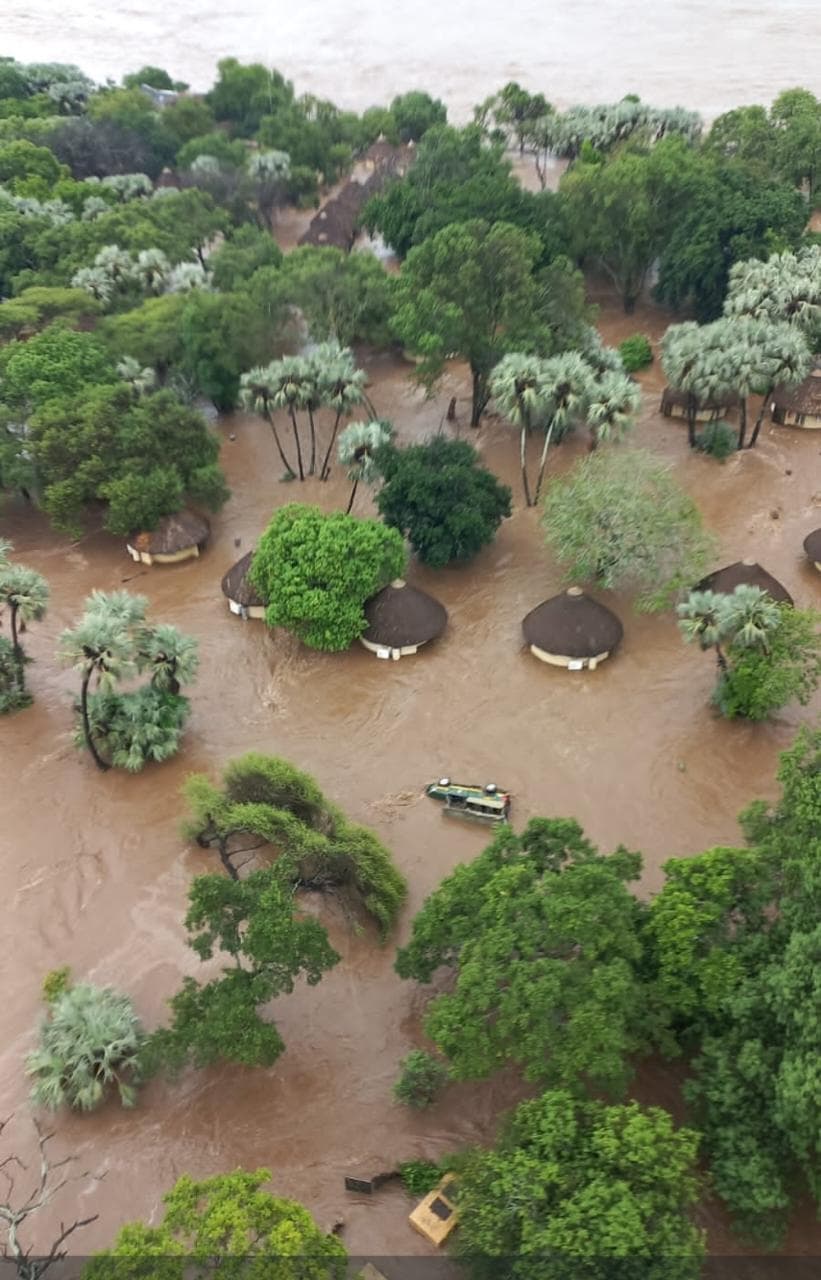
The park near Swellendam was severely hit in May when the Breede River overflowed following heavy rainfall across the Western Cape. The flooding caused extensive damage to infrastructure and visitor facilities at Lang Elsie’s Kraal Rest Camp.
South African National Parks (SANParks) announced this week that significant progress has been made in restoring the affected areas, making it possible to safely reopen parts of the park whilst rehabilitation continues elsewhere.
Flooding wreaks havoc on riverside facilities
Eight riverside chalets bore the brunt of the May floods and remain closed as refurbishment work continues. The saturated terrain also forced the closure of several hiking trails and picnic areas.
Die Stroom Picnic Site and the Bushbuck Trail sustained damage and will stay closed until restoration work is complete.
Visitors can now book six self-catering chalets that escaped the worst of the flooding. The camping site will also reopen, giving outdoor enthusiasts access to the park’s wildlife and landscapes.
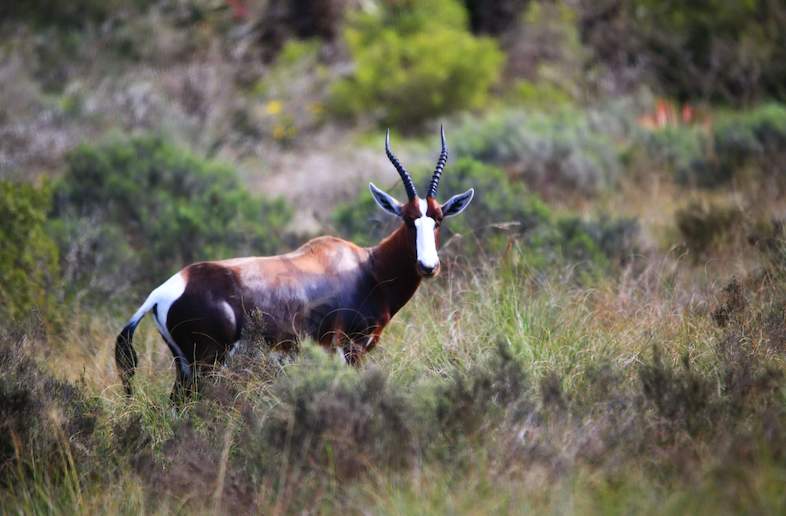
Three hiking trails – Aloe Hill, Acacia, and Termite – will be accessible from next month, allowing guests to explore the park’s unique fynbos vegetation and spot the rare bontebok antelope the park was established to protect.
More facilities coming soon
SANParks confirmed additional facilities will become available as restoration progresses, with updates to be communicated as work is completed.
The organisation thanked visitors, tourism partners and stakeholders for their patience during the three-month closure and recovery process.
“SANParks remains committed to restoring the park’s facilities safely and responsibly,” the organisation said, adding it looks forward to welcoming guests back to the 2 786-hectare reserve.
The park, established in 1931, is home to South Africa’s smallest national park and plays a vital role in conserving the bontebok species, which was saved from near extinction.
ALSO READ: Western Cape flood disaster costs exceed R9 billion