


“Sutha ke Fete” means “make way so I may pass” in Sesotho; an invitation to make way for an imagined passer-by, wrapped in a richly decorated heritage blanket is the title of the globally iconic Basotho blankets exhibition, presented by Sanlam in collaboration with the National Museum in Bloemfontein.
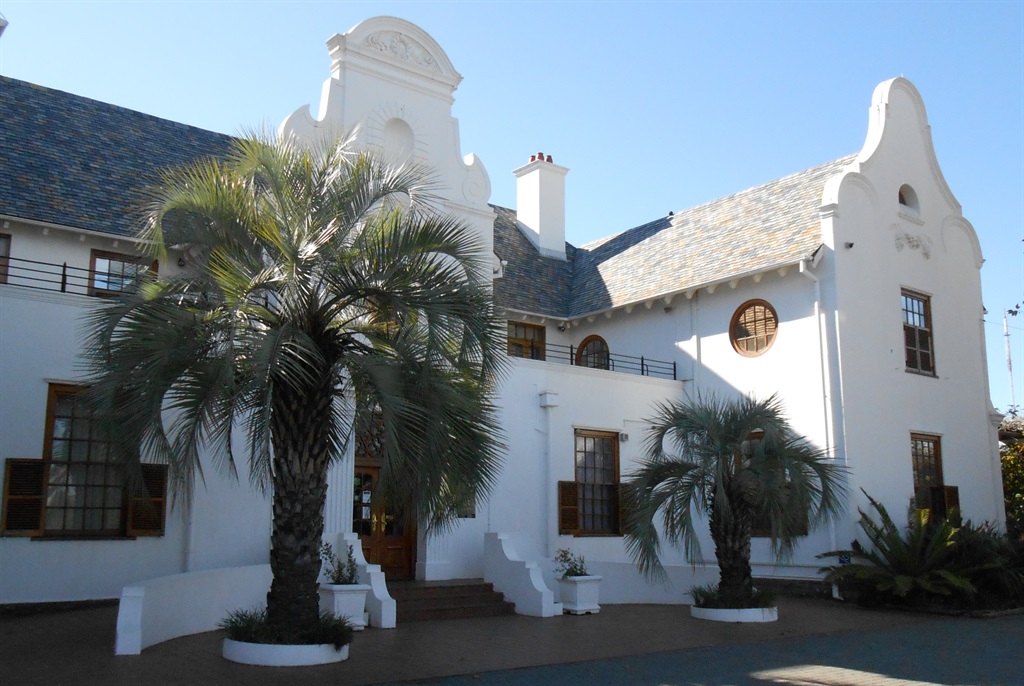
The exhibition features the unique and engaging designs of traditional and contemporary Basotho blankets. It runs from 19 September to 16 November in the Reservoir Gallery at the Oliewenhuis Art Museum. This art museum is a satellite of the National Museum, an agency of the Department of Sport, Arts, and Culture.
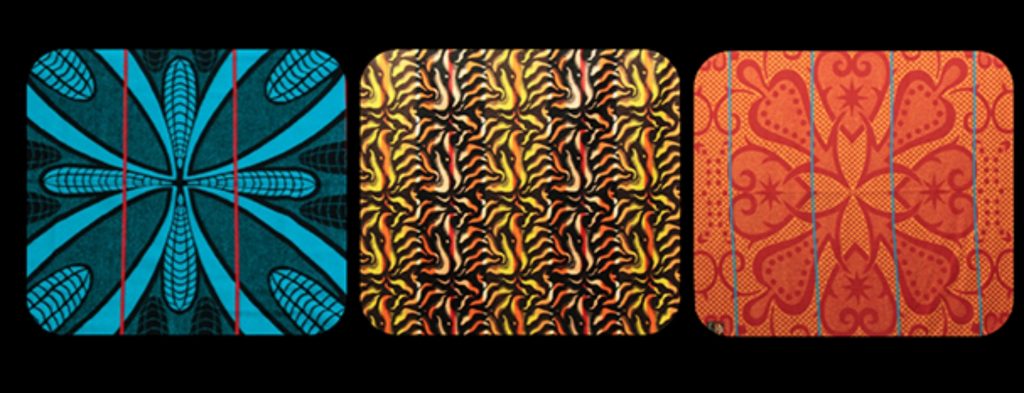
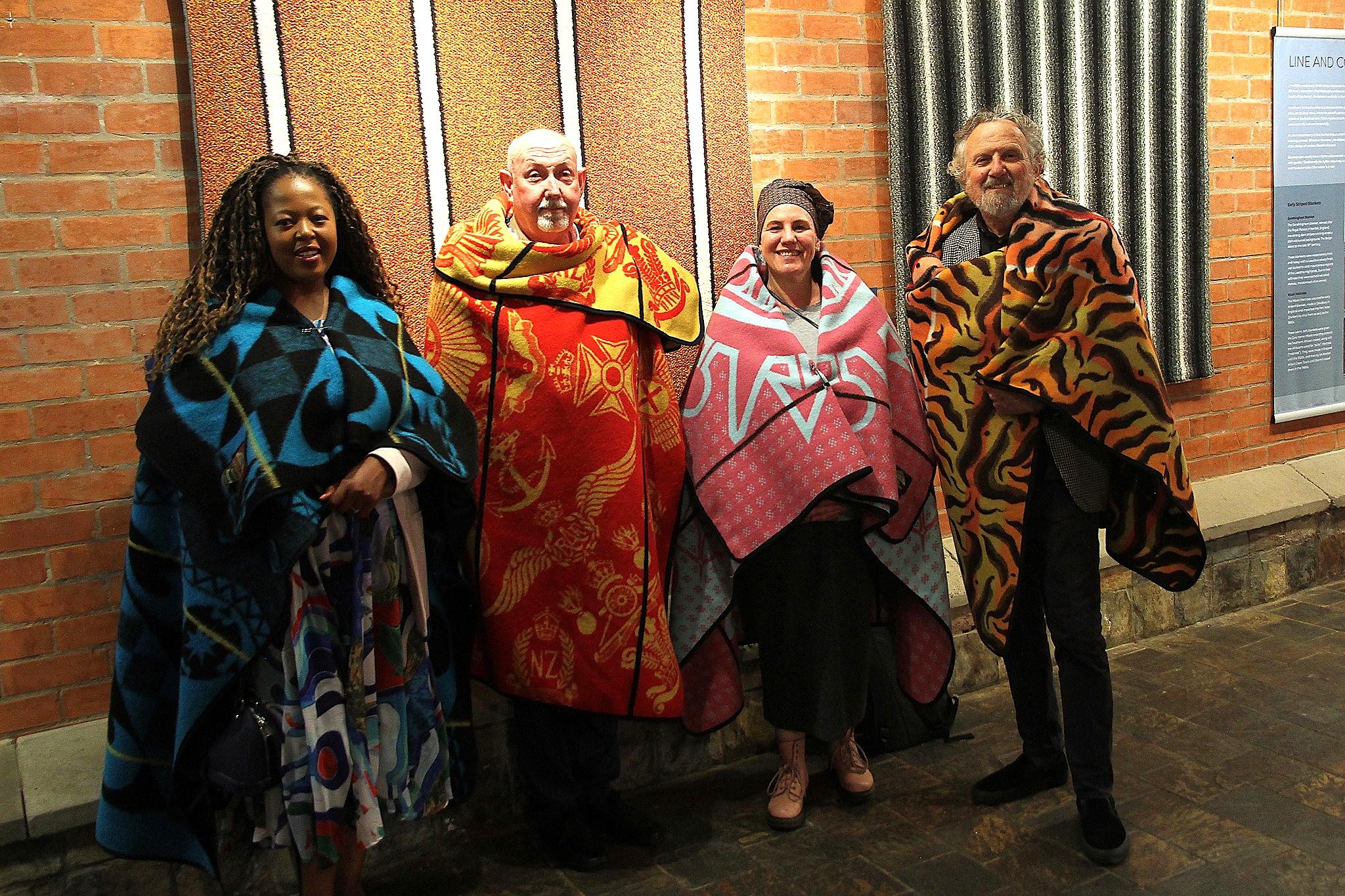
With exquisite heritage blankets on loan from the Anthropology Collection of the National Museum, along with 26 Basotho blankets of the Sanlam Art Collection, including Aranda’s Young Basotho Designer range, the exhibition celebrates the stories of the blankets, which have become an iconic brand identity of a nation. The exhibition comes at a fitting time, as South Africans celebrate Heritage Month, a period that serves as a reminder of the importance of preserving and honouring the cultural traditions that shape our identities.
“Basotho blankets have become iconic markers of Basotho identity; they are enduring works of art which are meant to be worn.”
Shadi Chauke, group executive: Corporate Affairs and Sustainability
“Every unique design tells a story, whilst weaving together an overarching commentary on the political, cultural, and economic development of our nation. We are proud to be showing this collection at the Oliewenhuis Art Museum, following the inaugural display at the Sanlam Art Gallery in Cape Town and the Sanlam Art Lounge in Sandton this year. This comprehensive collection, augmented by loans from private collections, provides a rare opportunity to view never-before-seen blankets.”
The blankets hold a rich tapestry of history. They reach back about 160 years to when they were first manufactured in mills in England’s Yorkshire. From there, they traveled to the Cape of Good Hope and Port Elizabeth. Then, they moved on to Leribe and the other mountainous districts of Basutoland (now Lesotho). They tell intertwining tales of Africa, England, clothiers, and early capitalism.
The patterns of the blankets were made possible by the invention of the Jacquard weaving machine - one of the earliest examples of computation - during the British Industrial Revolution. Missionaries first brought blankets to King Moshoeshoe's nation in 1845. English traders then established trading posts to meet demand, and began developing new designs, in collaboration with their customers, such as the famed Seanamarena blanket. To date, the blankets have been part of Basotho culture for over a century, with the original "Victoria England" designs enduring for generations; these will be displayed at the exhibition.
They will be joined by a collection of 10 blankets from Aranda’s Young Basotho Designers range, commissioned in 2022.
Recently, young designers, such as Thabo Makhetha Kwinana, have used traditional blankets to produce garments and accessories. These creations have become high street fashion in South Africa and internationally. Basotho blankets were a key feature in the film Black Panther. This film brought recognition of this cultural icon to viewers across the globe.
Stefan Hundt, curator of the Sanlam Art Collection, says the blankets on display comprise rare wool heritage blankets. They include beautiful traditional blankets made by Aranda. Aranda is the sole manufacturer still in business today.
Hundt adds: “We look forward to welcoming you to a memorable exhibition that celebrates the rich history and heritage of Basotho blankets and the shared stories they represent. They interweave political commentary and individual expression, with science, industry, and innovation. More importantly, they are an integral part of the fabric of Basotho culture.”
“Every big moment in Basotho people’s lives is marked with a blanket. The blankets symbolise life itself; new life, shared life, and the end of life. We are deeply privileged to be able to share in these stories. Sanlam is committed to empowering all Africans to be financially confident, secure, and prosperous. A big part of this means understanding and respecting our shared histories. Living with confidence means knowing our stories, so that we can protect the things that matter the most for generations to come.”
Stefan Hundt, curator of the Sanlam Art Collection
The public is invited to attend the opening of Sutha Ke Fete: The Art of the Basotho Blanket, presented by Sanlam, the National Museum, and the Oliewenhuis Art Museum. The event will take place at 18:00 on Thursday, 18 September, in the Reservoir Gallery at Oliewenhuis.
The Oliewenhuis Art Museum is located at 16 Harry Smith Street, Bloemfontein.
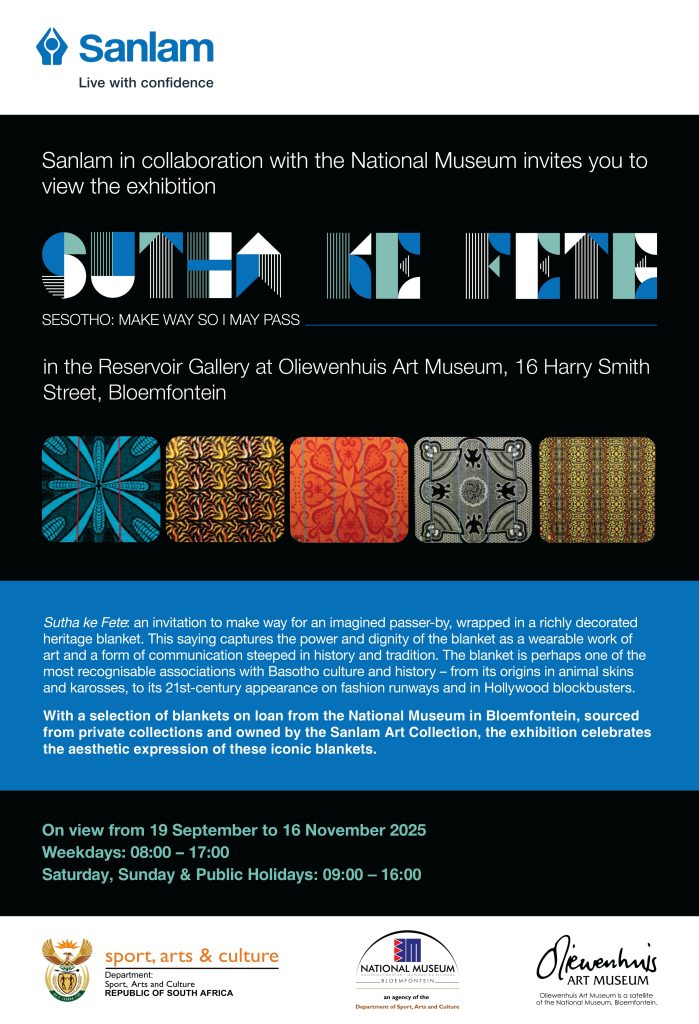
Everyone is welcome, and entrance is free of charge. Refreshments will be served.
Two walkabouts of the exhibition will be conducted by Hundt. The first will take place at 13:00 on Friday, 19 September, and the second at 12:00 on Saturday, 20 September.
The Oliewenhuis Art Museum is open to the public from Monday to Friday between 08:00 and 17:00. On Saturdays, Sundays, and public holidays, it is open between 09:00 and 16:00.
A ramp at the entrance provides access for wheelchairs, whilst a lift provides access to the first floor. A R10 parking fee will be charged, payable in cash only, but entrance to the museum is free.
For more information, please contact the museum at 078 968 4300 or oliewen@nasmus.co.za.



You must be logged in to post a comment.