

The January 2026 Financial Recovery Plan report presented to the Matjhabeng Council paints an encouraging picture, with 74% of monitored activities reportedly “achieved” and no activities recorded as “not started”.
On paper, this suggests progress. In reality, residents are experiencing deteriorating service delivery, collapsing infrastructure, weak accountability, and plummeting public confidence.
Since the Financial Recovery Plan was initiated in November 2025 under Section 139(5)(a) and (c) constitutional intervention, residents have seen little tangible improvement in their daily lives.
The municipality’s own figures reflect concern, with payment rates declining from 51% in October 2025 to 39% in December 2025, showing little evidence of meaningful recovery.
The disconnect
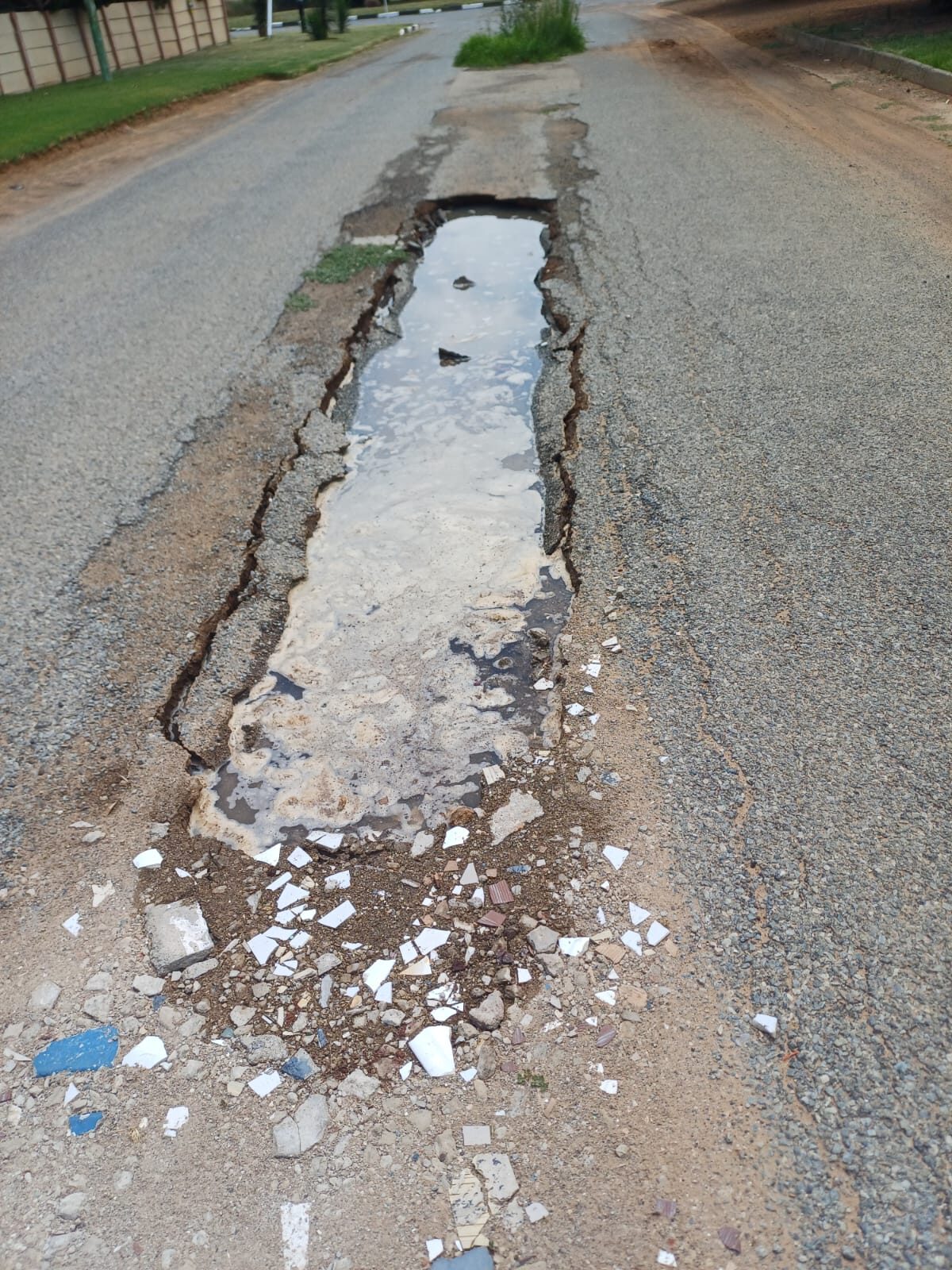
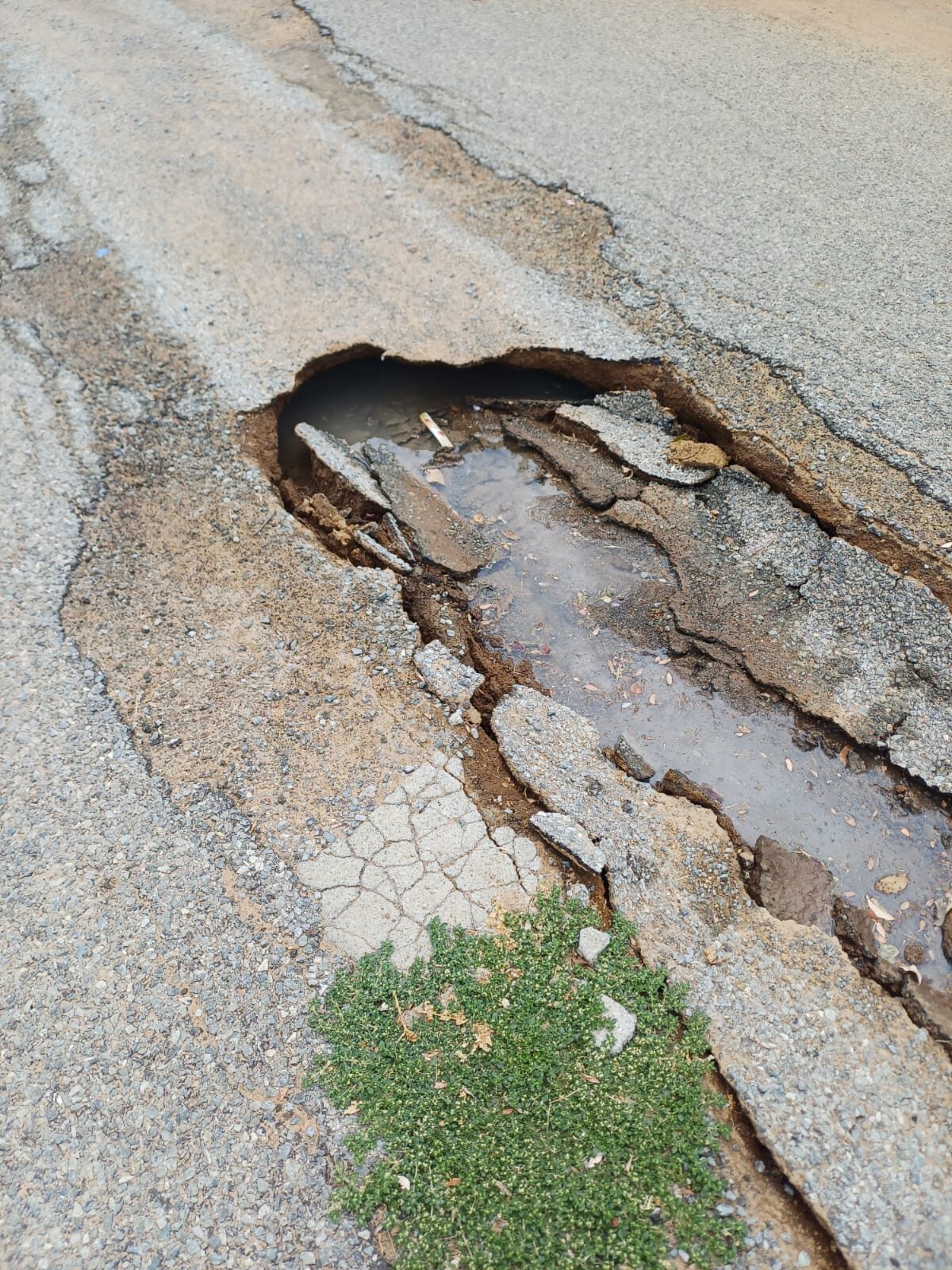
The disconnect between reported progress and lived reality is starkly illustrated by the Fourie Street crisis in Hennenman.
Nearly a year ago, a formal petition highlighted the total collapse of road infrastructure, with Fourie Street specifically mentioned as critical. Despite public exposure and formal Council engagement, the response amounted to a single paragraph with no meaningful intervention.
The situation escalated dramatically on 9 February when a long-standing water leak completely undermined the road structure.
Officials consistently cited unavailable materials, supply chain constraints, and procurement delays. Yet suddenly, after the road collapsed completely and Vista published a video on Facebook, the necessary parts became available and repairs commenced.
This represents reactive crisis management, not proactive governance.
It has become common for councillors and residents to purchase basic materials themselves – taps, pipes, meters, and fittings – simply to ensure repairs are completed.
Officials often contact councillors before attempting procurement, knowing that self-funding resolves matters more quickly.
This cannot be accepted as normal practice when residents pay rates and taxes for municipal services.
The municipality operates with a revolving door of acting appointments – acting municipal manager, acting chief financial officer, acting executive directors – typically for three-month periods.
These individuals frequently avoid firm decisions, merely occupying seats until their terms expire.
Acting appointments disrupt
Each new acting appointment forces councillors to restart entire processes of reporting and escalation, creating governance paralysis.
Fleet control appears severely compromised, with municipal vehicles used for transporting school children and beer crates, whilst heavy machinery serves personal errands.
Despite reporting these matters, no action is taken against officials.
Residents across Matjhabeng have endured unreliable water supply for over two years.
Daily closures and inadequate pressure create serious fire and public safety risks, as hydrants become ineffective and emergency services lack immediate water access during potential disasters.
On 24 January 2026, the DA formally raised these concerns with Deputy Minister of Water and Sanitation Sello Seitlholo, but residents cannot continue suffering whilst processes drag on indefinitely.
The Financial Recovery Plan was intended to lift Matjhabeng from financial distress.
Instead, residents experience collapsing roads, unreliable water supply, procurement dysfunction, and leadership instability. There is a growing disconnect between reported compliance and lived reality.
Matjhabeng will not recover through reports alone. It requires permanent leadership, strict consequence management, functional processes, and visible service delivery improvements. Residents deserve a municipality that works, not one that merely reports.


You must be logged in to post a comment.