

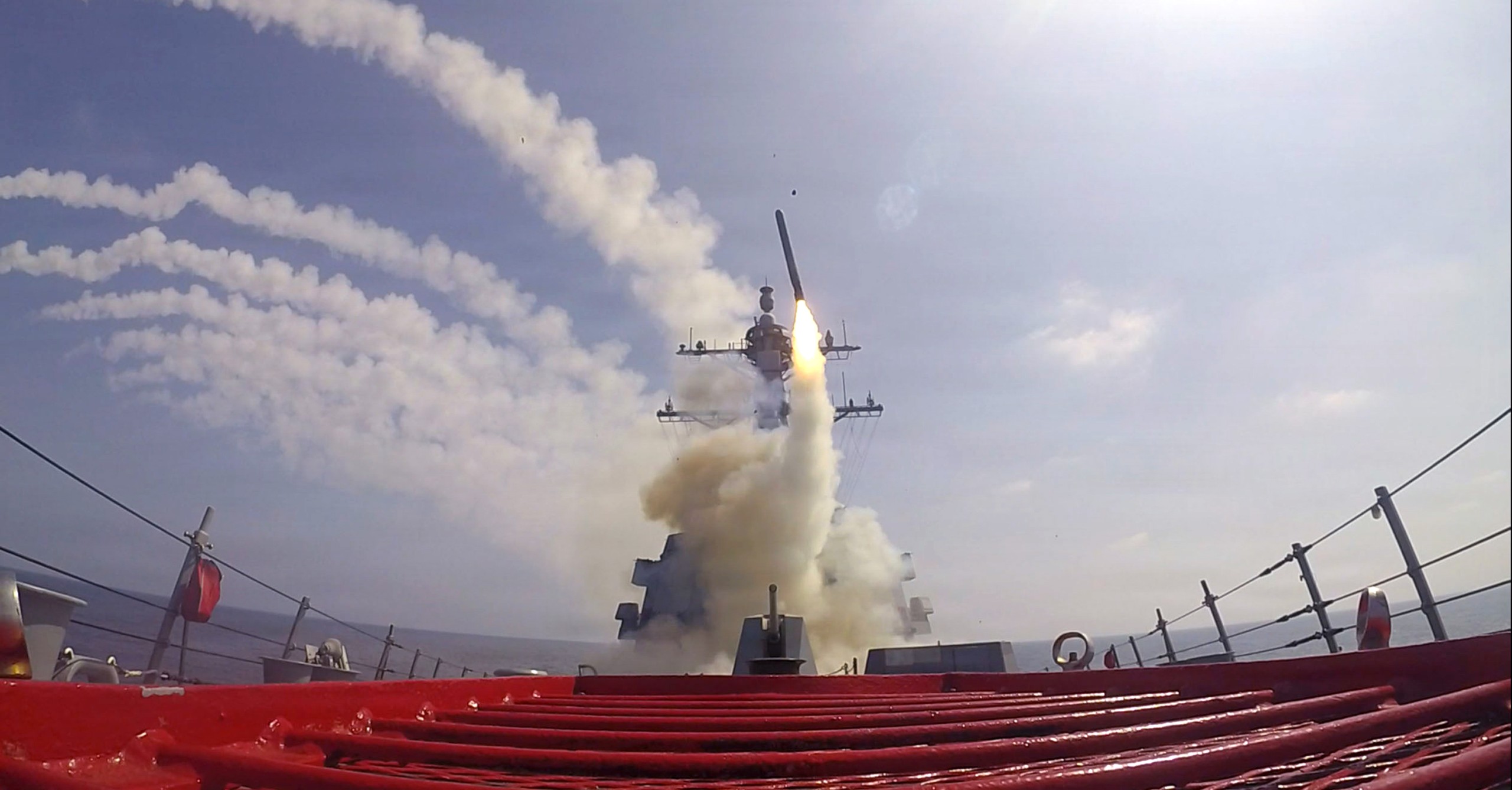
Fresh US strikes triggered air defences in Tehran on Wednesday after President Donald Trump warned he was “not finished” with Iran in a conflict that has cost America $37.5 billion.
The war has spread beyond the strategic Strait of Hormuz to include another critical oil supply route in the Middle East after fighting between the two nations led to the collapse of preliminary peace talks.
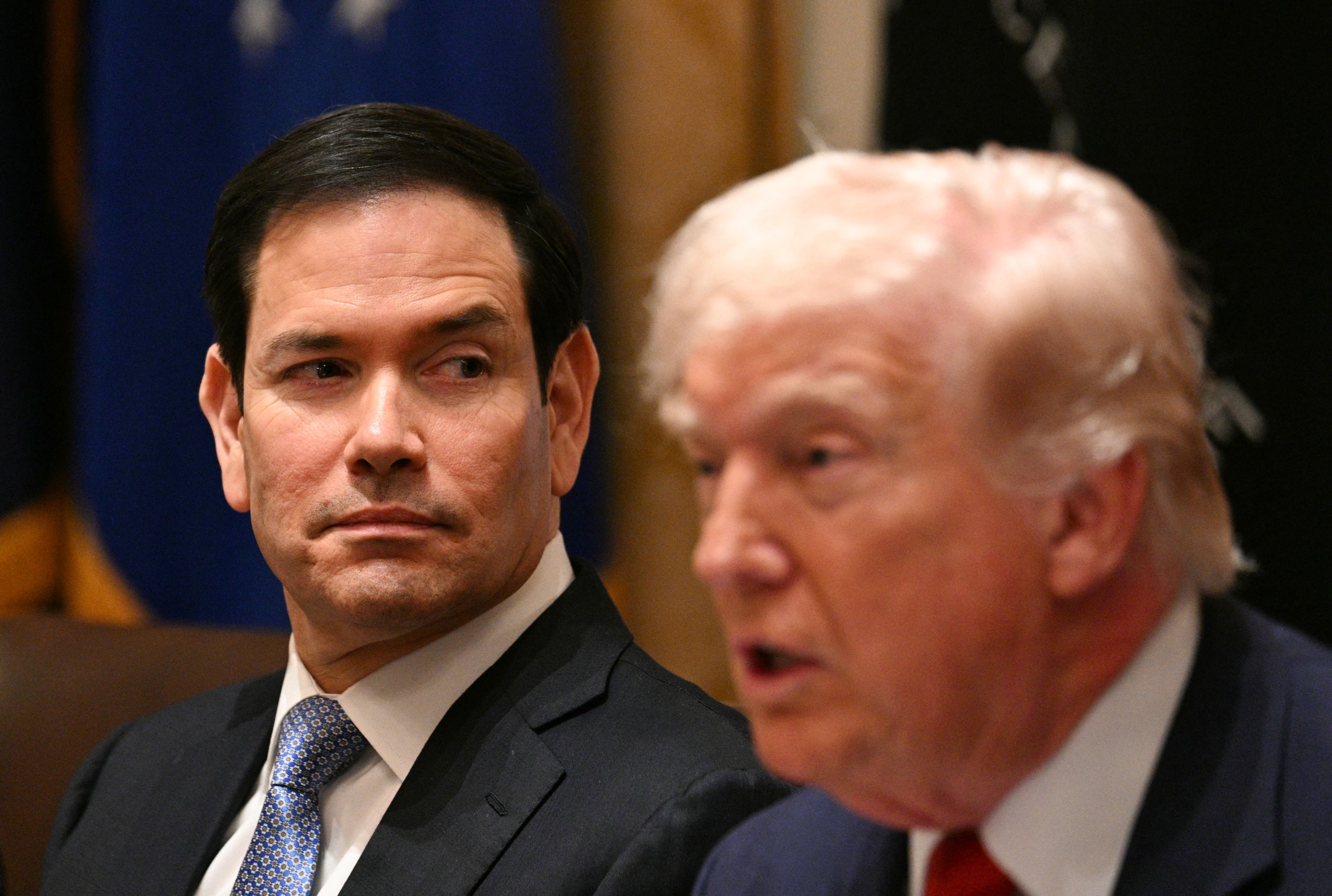
US Secretary of State Marco Rubio said Washington remains open to diplomatic talks with Tehran despite the ongoing military action.
“The problem we are currently facing is that they are not taking the negotiations seriously,” Rubio told reporters at a Southeast Asia ministers’ meeting in Manila.
Iranian foreign ministry spokesman Esmaeil Baqaei confirmed that diplomatic exchanges with Washington through mediators were continuing.
Strikes hit targets across Iran
The latest attacks saw US forces hitting “military logistics infrastructure” while Iranian state media reported strikes around the country, including Bushehr, which hosts a nuclear power plant.
“News sources reported minutes ago that air defence activity was heard in the west, east and northeast of Tehran,” state TV posted on Telegram.
As the war approaches the five-month mark and November legislative elections draw near, Trump faces growing political pressure to end the conflict, which has proven unpopular even among segments of his support base.
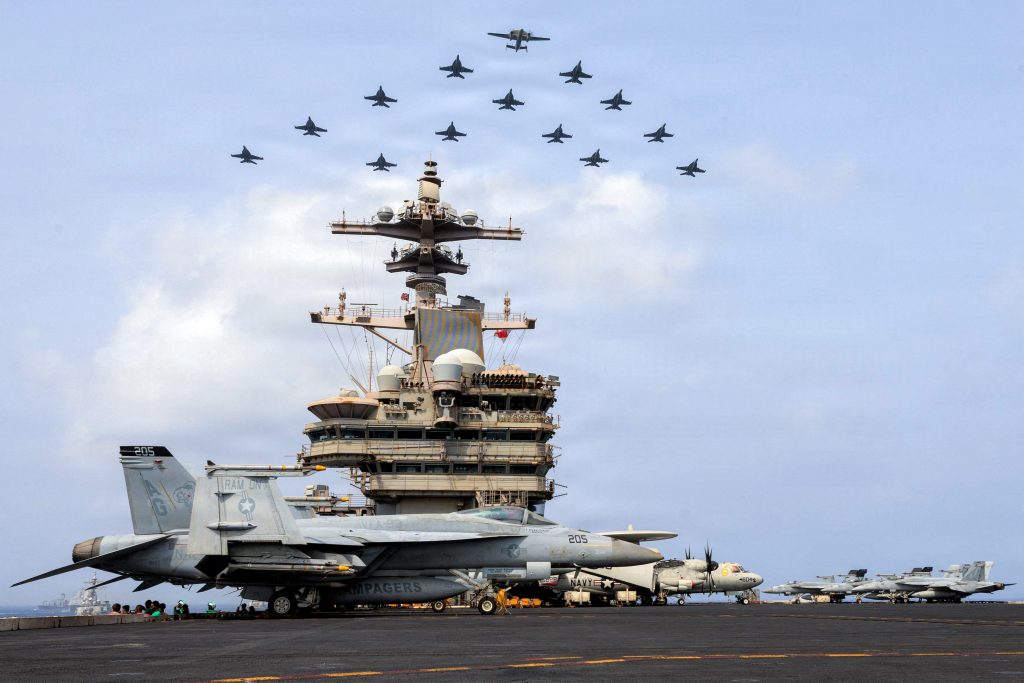
Pentagon Chief Pete Hegseth revealed on Tuesday that war costs had reached $37.5 billion as he defended a request for tens of billions in additional military funding.
The US military said Tuesday it had launched an 11th consecutive night of strikes against Iran, targeting military sites to “further degrade Iran’s ability to threaten commercial shipping in the Strait of Hormuz”.
Trump earlier suggested the next US target could be an underground complex known as Pickaxe Mountain, a subterranean nuclear site near Natanz where Western intelligence suspects Iran is building an undeclared enrichment facility.
Iran warned of reprisals, with the Khatam Al-Anbiya military command saying it would “consider it as an expansion of war in the region” if such an attack were carried out. The command threatened strikes on “all the interests of America, the allies and supporters”, according to state-run broadcaster IRIB.
Two weeks after fighting resumed between the long-time adversaries, Trump said Iran would need more than 20 years to recover from the damage.
“If we left right now, it would take Iran 20, 25 years to rebuild,” he said. “We’re not finished at all… we’re not leaving right now.”
Regional allies under fire
Kuwait’s army said Wednesday its air defences were engaging with drone attacks from Iran as Tehran expanded its offensive against US-allied Gulf states.
US ally Bahrain said Tuesday it intercepted Iranian attacks as sirens sounded repeatedly, while Kuwait and Jordan reported intercepting drone and missile strikes.
The Iranian army said it targeted US assets in Kuwait and Bahrain, including air defence systems, radar installations and administrative buildings.
“With this radar sweep, the enemy should prepare for even more decisive and powerful waves of drone and missile attacks,” the Guards said in a statement carried by state news agency IRNA.
ALSO READ: Iran steps up attacks in return to war with US
Houthi blockade threat
Trump said he would “take care of” Yemen’s Iran-backed Houthi rebels if they followed through on a threat Monday to blockade Saudi Arabia’s ports.
It remains unclear how the Houthis would enforce such a blockade.
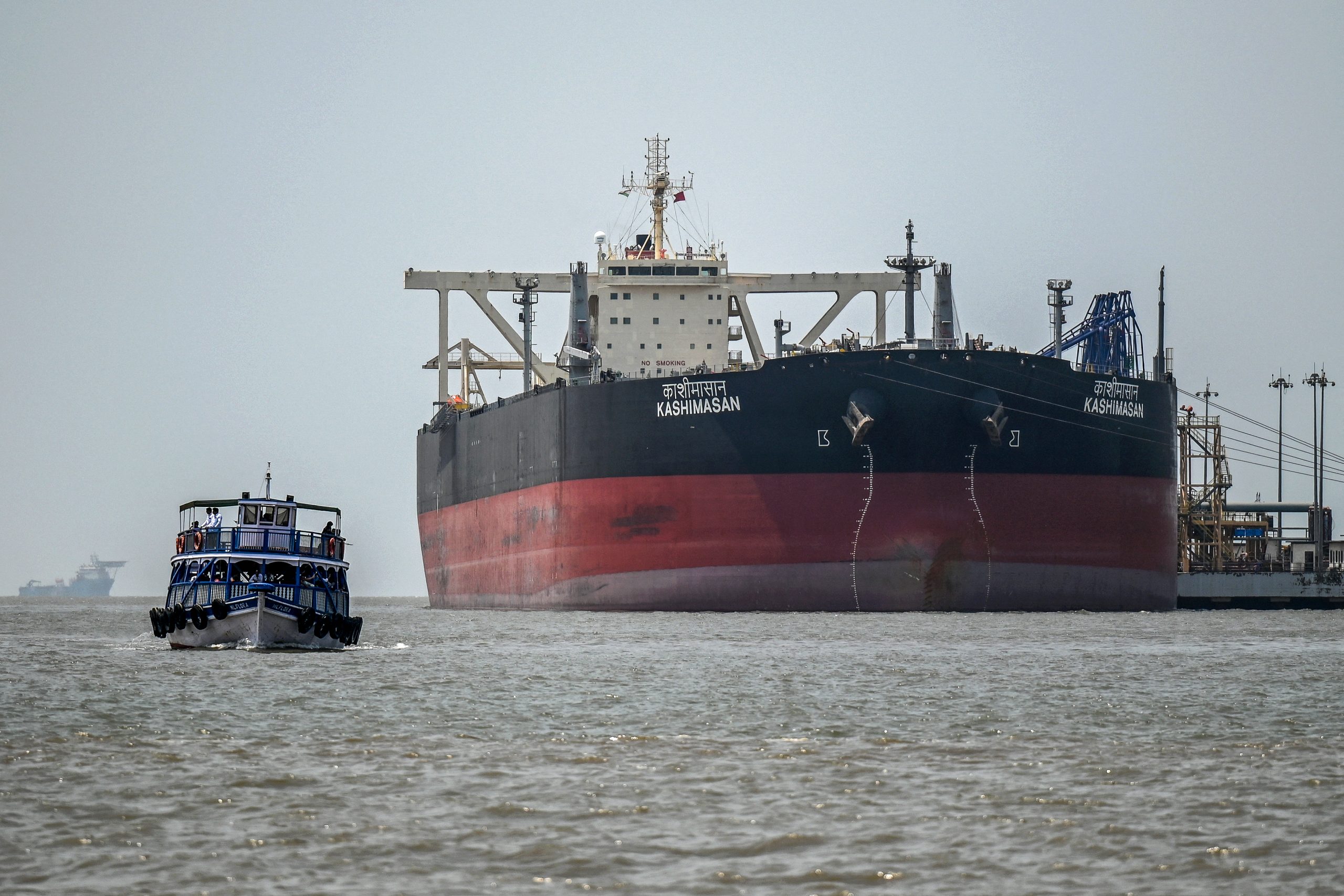
Maritime intelligence provider Vanguard Tech said a Singapore-flagged tanker and a Liberia-flagged tanker both “reversed course” in the Red Sea after loading crude at the Saudi port of Yanbu.
If the Houthis carry out the threat, they could endanger Riyadh’s ability to bypass the Strait of Hormuz for some oil exports, with major consequences for the global economy.
Saudi Arabia and the Houthis exchanged fire last week for the first time in years, threatening a 2022 truce. The rebels have largely remained on the sidelines since Israel and the United States attacked Iran in late February.
The Revolutionary Guards said Tuesday that two tankers attempting to transit the strait “were hit by explosions, resulting in massive fires that brought them to a standstill”.
The UK Maritime Trade Operations agency earlier reported that an “unknown projectile” struck a tanker off the coast of Oman.
ALSO READ: Trump trapped in Iran war with no exit strategy as senior official resigns


You must be logged in to post a comment.