A United Nations human rights expert has raised serious concerns about Zambia’s deteriorating democratic freedoms and demanded the immediate release of political prisoners following last month’s disputed election.
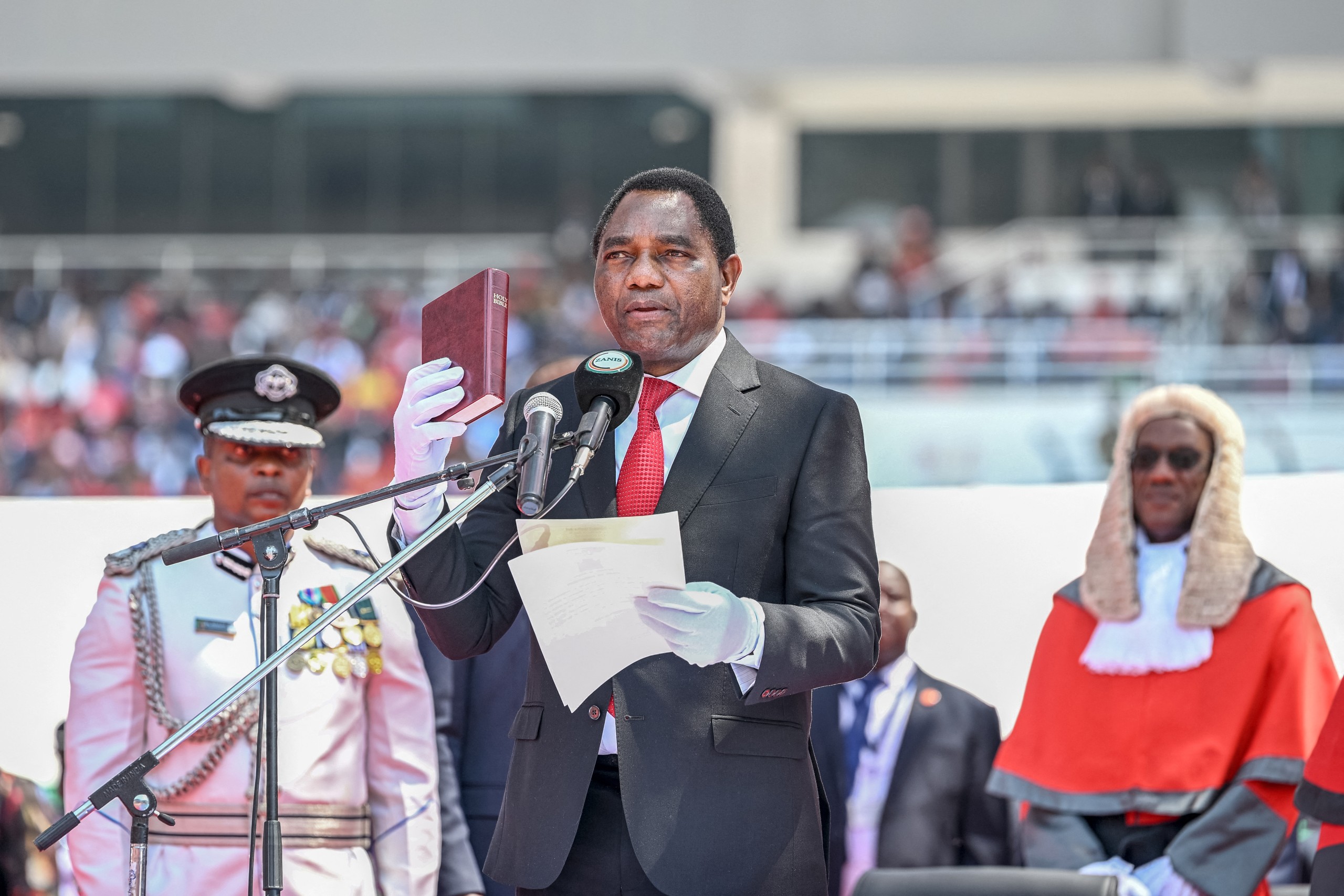
The call from Gina Romero, the UN special rapporteur on freedom of assembly and association, comes just a day after President Hakainde Hichilema took the oath for his second term. International observers have questioned whether the election met acceptable standards of fairness.
Opposition leader charged with treason
Among those arrested is Brian Mundubile, a former provincial minister who came second in the presidential race. Authorities detained him and several other opposition figures on suspicion of plotting against the state. Mundubile faces treason charges filed at the weekend, but he has yet to appear before a court.
Romero said the post-election period has revealed a worrying trend of civil liberties violations tied to disputes over the vote’s legitimacy. She pointed to reports of harassment and the detention of hundreds of opposition supporters, many held for long periods without formal charges.
“A healthy democracy requires that all voices – including opposition members, religious leaders, civil society actors, and journalists – speak freely without fear,” she said.
Church leaders join calls for release
The Anglican Church of Southern Africa has also condemned what it describes as arbitrary detentions. Among those held is Trevor Mwamba, a retired bishop. Archbishop Thabo Makgoba of Cape Town urged Zambian authorities to ensure detainees have access to proper sanitation, reading materials and basic necessities.
UN special rapporteurs work independently and report to the Human Rights Council, but they do not represent official UN positions.
Zambia’s democratic reputation at stake
Zambia ended single-party rule in 1991 and has since built a reputation as one of southern Africa’s more stable democracies. Yet the detention of opposition voices became common under Edgar Lungu, who governed from 2015 to 2021. Critics accused his administration of systematic political repression.
Despite campaigning on democratic principles, Hichilema’s first term saw similar accusations. Opposition parties and civil society organizations claimed his government stifled dissent, though officials have consistently denied the allegations.
ALSO READ: South African court blocks return of Lungu’s remains to Zambia