As a major step on the road to Zero Impact Production, Volkswagen Group South Africa (VWSA) has implemented two projects to dramatically reduce the environmental footprint of its Kariega plant.
“As with our colleagues across the Volkswagen Group, we are committed to protecting the environment in whatever way we can,” said Ulrich Schwabe, Production Director at VWSA
The first project is a wastewater recycling facility, which has been constructed onsite at the plant.
This facility will recycle production-related wastewater from various production areas, for reuse in certain production processes. In addition to reducing the company’s freshwater consumption by an estimated 26%, it will also serve to reduce VWSA’s reliance on municipally supplied water amid the ongoing drought in the region.
At the same time, the company installed a total of 3 136 solar photovoltaic panels, which is generating renewable, carbon-neutral energy since April. The panels, installed on the roof of the final assembly building, will reduce VWSA’s carbon emissions by an estimated 2 590 tons of carbon dioxide per year.
At full capacity, the panels will produce an estimated 2 500 MWh, which is enough energy to cover between 3% and 3,5% of the plant’s electricity requirements.
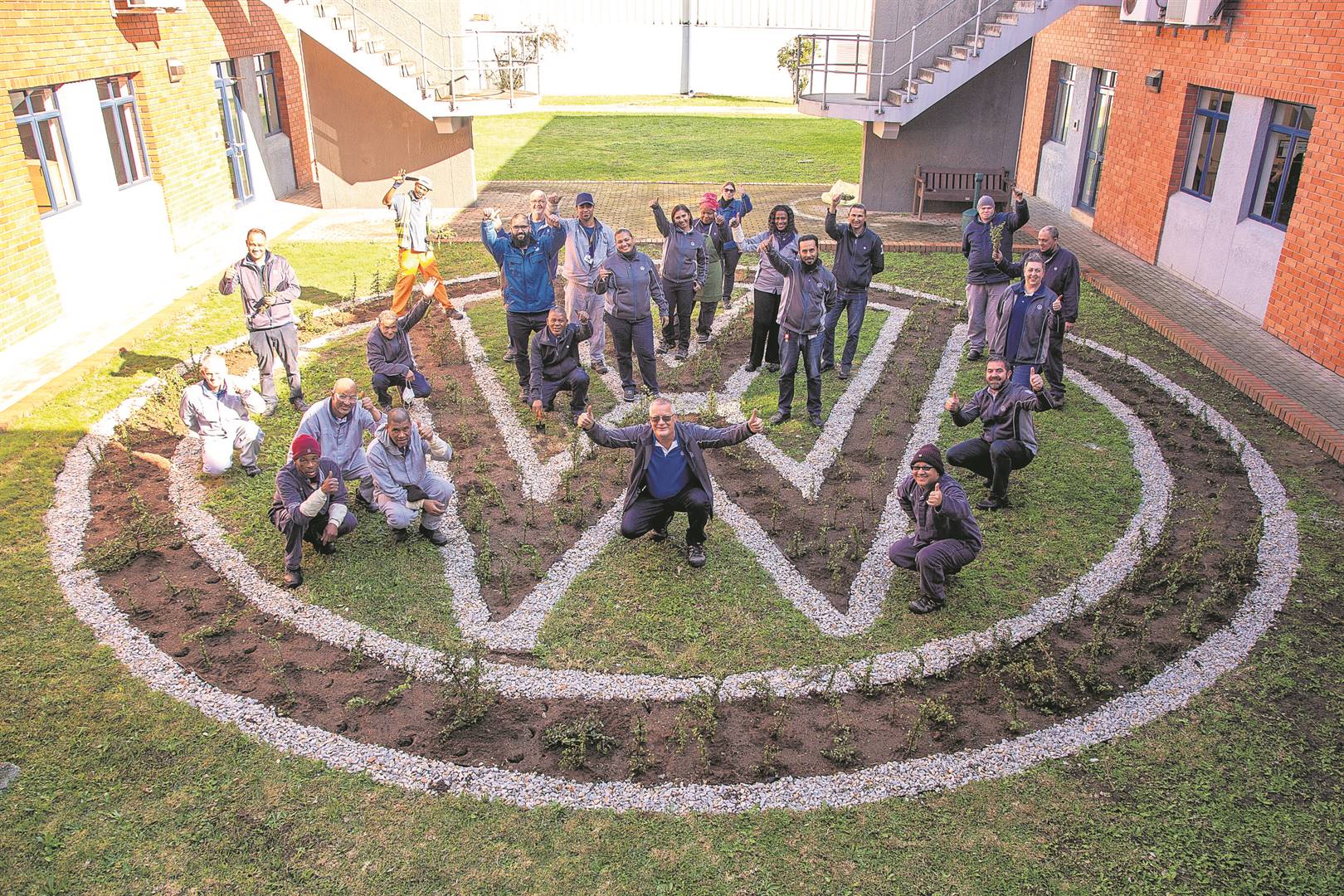
VWSA has also embarked on an ongoing biodiversity roadmap, starting in 2021 with a project to replace alien plants and trees within the Kariega premises with indigenous, water-wise plants such as spekboom, fever trees and coral trees. These efforts include planting a carbon bank of over 4 800 spekboom cuttings, as well as a 1 600m² green Volkswagen logo, in celebration of Earth Day in April 2021.
“These two projects will make a massive difference in preserving the environment and achieving our goal of carbon-neutral Production by 2030. I am proud to say VWSA continues to deliver high-quality vehicles in an environmentally responsible way,” said Schwabe.