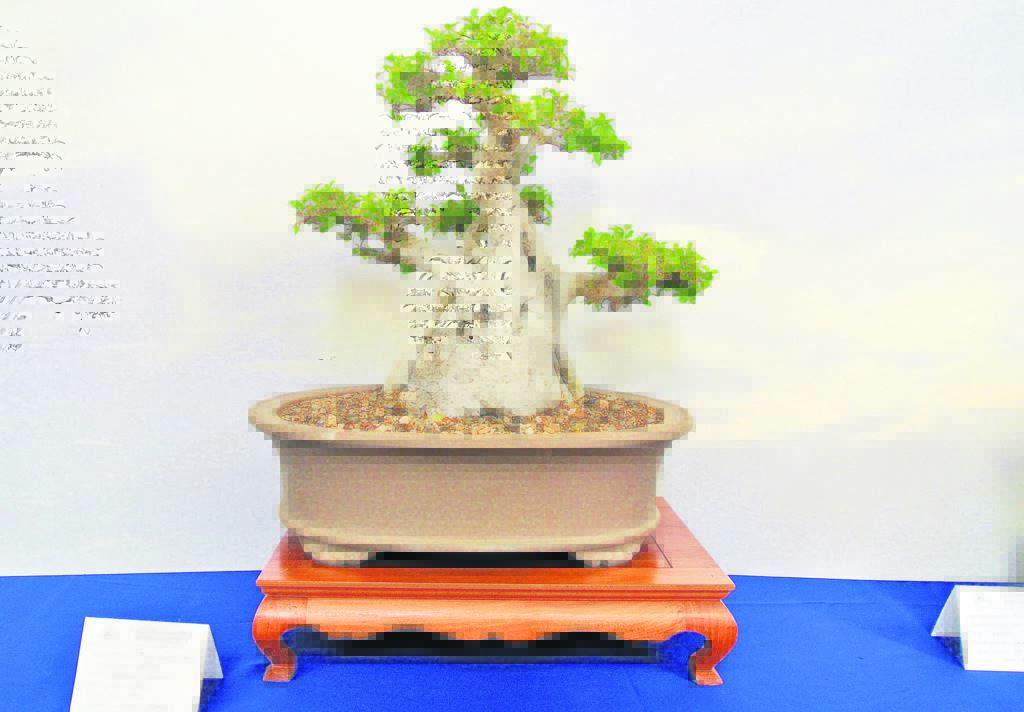
ARBOR Week calls for people across the country to plant indigenous trees as a practical and symbolic gesture of sustainable environmental management.
This annual awareness week that shines a light on South Africa’s 2 000 indigenous tree species, takes place from August 31st to September 4th. This also is at the beginning of Spring, just as bees awake from hibernation and do what bees do … get busy.
Therefore Candide, a free community gardening app is making a buzz with #PolliNationSA, a 12-month movement that aims to help 100 000 South Africans become legitimate bee protectors by calling on people to plant bee friendly indigenous trees.
Bees need all the support they can get. Faced with ongoing challenges, from irresponsible pesticide use to habitat destruction, it is imperative that we all do what we can to assist these highly specialised pollinators.
Bees are the pollinators of more than a third of all our food crops and about 90% of wild flowers and with the population of bees declining around the world, ensuring that they survive, thrive and flourish is very crucial.
One way is to ensure that your garden consistently provides bees with vital resources like water, pollen, and nectar. And then it’s also possible to do good for both of these movements with a simple, single action: plant an indigenous tree.
Locally indigenous trees provide foraging and a habitat for a multitude of creatures, from animals and insects to our all-important honeybees. To make it easier for you, Candide has also compiled a short list of options below, a wide variety that are all easy to grow, and highly attractive to our bee friends:
- The Forest Elder (Nuxia floribunda)
- The Coast Silver Oak (Brachylaena discolor)
- The Karee (Searsia lancea)
- The Cape Saffron (Cassine peragua)
- Sweet thorn (Acacia karroo)
- Pompon Tree (Dais cotinifolia)
Albert Einstein said: “If the bee disappeared off the surface of the globe then man would only have four years of life left. No more bees, no more pollination, no more plants, no more animals, no more man.”
Webinar on trees and bees
Candide will be hosting a webinar on September 3 at 15:30 focusing on trees and what springtime means for bees. This exciting discussion sees Shani Krige from Candide in conversation with Dr Tlou Masehela, a scientist at the South African National Biodiversity Institute (SANBI) and current chairman of the Western Cape Bee Industry Association (WCBA), and Mike Allsopp, an African honeybee expert and senior researcher at the Agricultural Research Council. Make sure you tune in to hear some incr edible insights and stories.
) For more information visit www.candide.co.za follow Candide on Instagram @candideappza, and like them on Facebook @candideappza.