


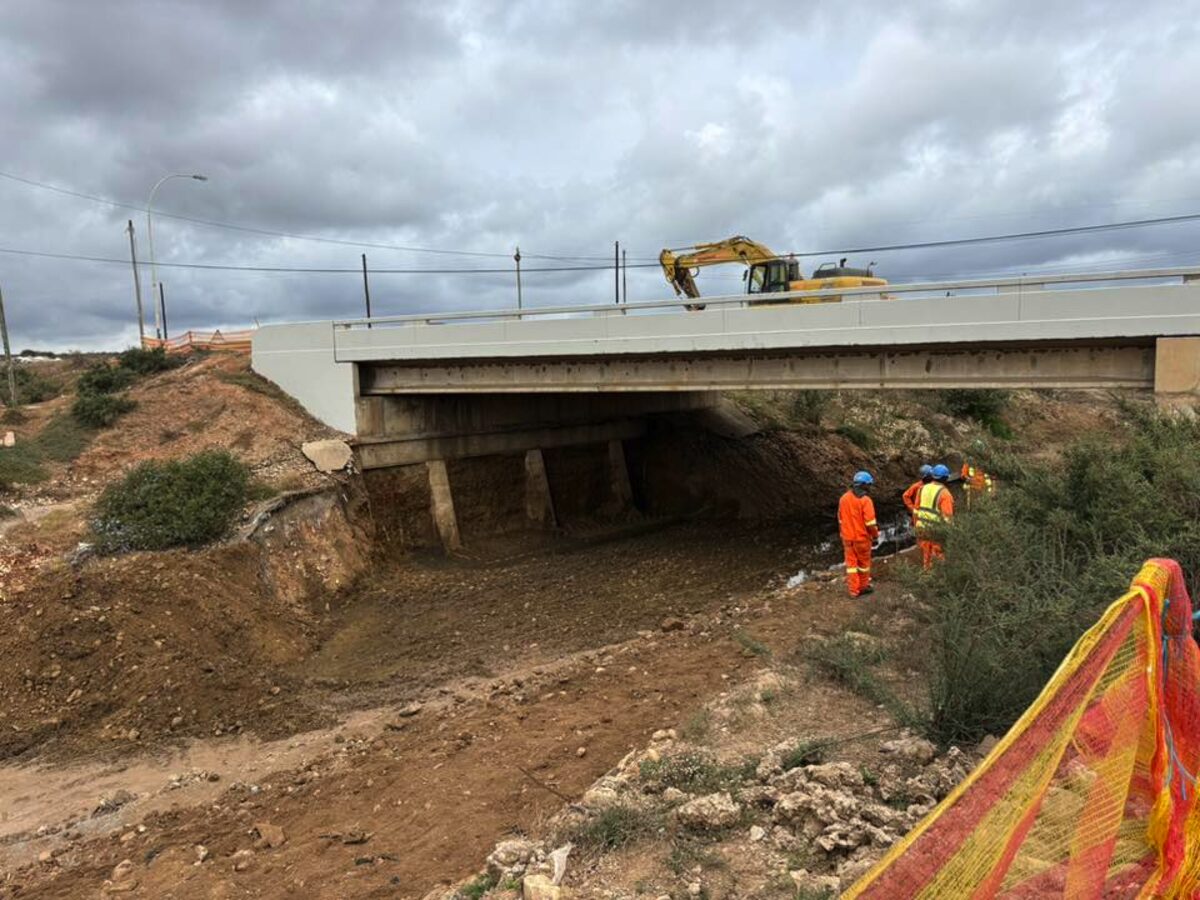
A R73 million infrastructure project that has already created 300 jobs is now 60% complete, with Nelson Mandela Bay Municipality’s Executive Mayor Councillor Babalwa Lobishe crediting exceptional community support as the driving force behind the Matanzima Bridge rehabilitation’s success.
Lobishe made these remarks during an oversight visit to the flood-damaged bridge and Ponana Tini Road on Thursday, 11 September. She was accompanied by Member of the Mayoral Committee for Roads and Transport, Councillor Yolisa Pali-Jongilanga.
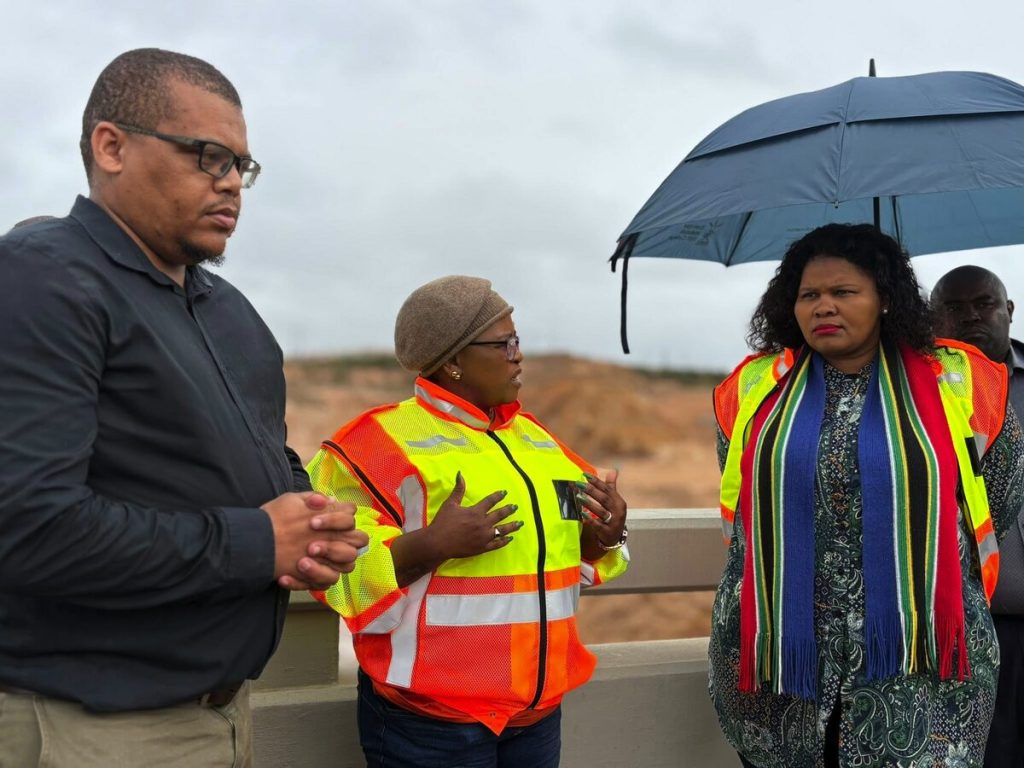
Lobishe made a public acknowledgement of how local residents have become instrumental to the project’s progress.
“We want to say to the residents of KwaNobuhle, thank you for supporting the project,” she said during the site inspection. “The project has proceeded without major hassles, and the support of the local people is greatly appreciated by the project managers.”
Lobishe’s comments come as project managers confirmed that community cooperation has been key to maintaining the construction timeline. Completion is now targeted for November 2025.
Breaking the mould: Community as partners
The Matanzima Bridge rehabilitation has become a model of collaboration. This is unusual for municipal infrastructure projects, which often face community resistance.
Lobishe emphasised this positive dynamic during her visit. “At Matanzima Bridge, we are happy to see the work that has been done and the positive feedback from workers regarding the project’s progress,” she stated.
She praised the commitment of officials involved. “We want to appreciate the commitment of the MMC and officials who have pulled through in a short space of time.”
Project managers have confirmed that exceptional local support has helped them overcome typical challenges. Lobishe acknowledged that whilst the timeline may seem lengthy, the scope of work is significant. “Looking at the amount of work that needs to be done, we are quite happy with the progress,” she said.
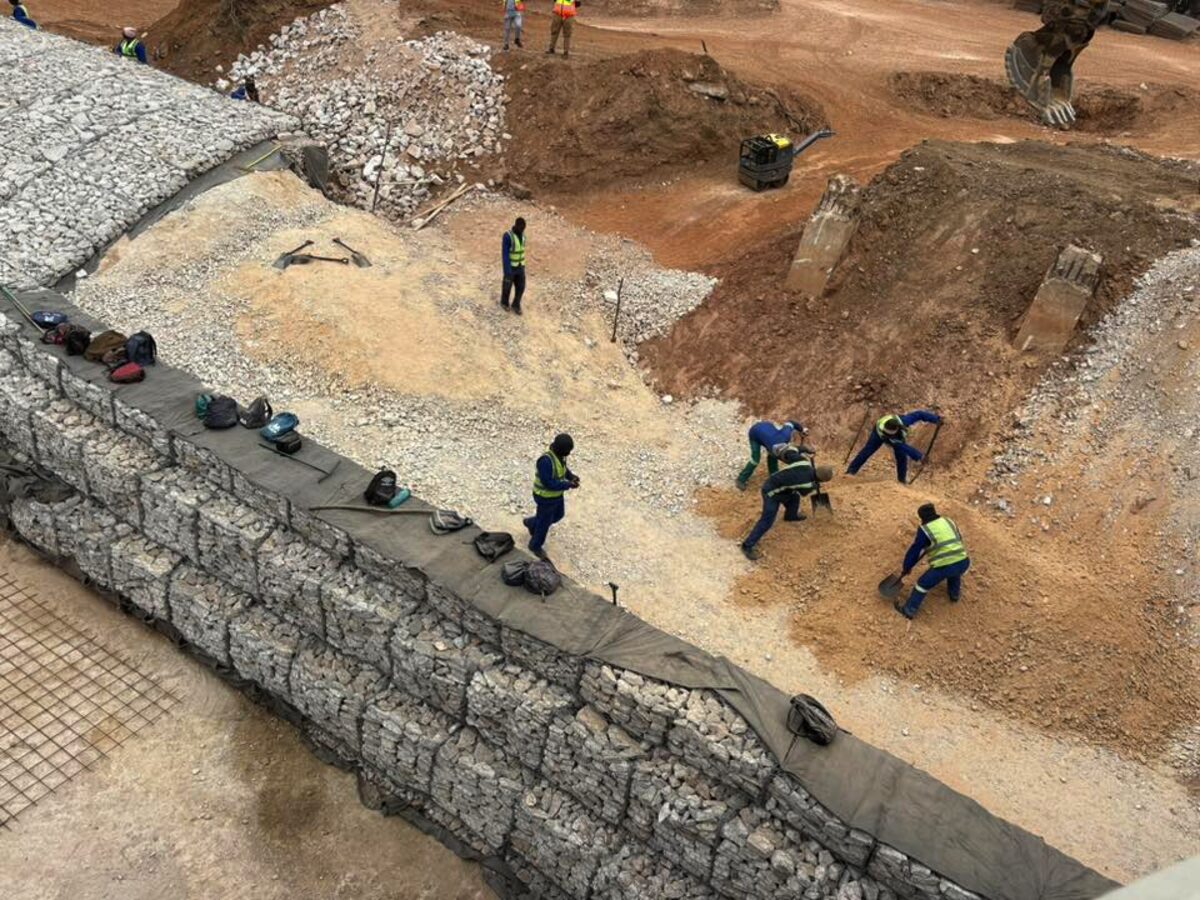
Impressive project scope
Givon Van Eck, Senior Director from Roads and Transport, provided detailed project statistics. Construction began on 12 May 2025, and the project is currently 60% complete.
“To date, the project has created jobs for 300 workers and benefited approximately 28 to 30 SMMEs, particularly Grade 1 companies,” Van Eck reported.
The project also provides on-the-job training for labourers. Officials are working closely with community members, business forums, the taxi industry, and Volkswagen.
So far, R15 million has been spent of the total R73 million budget. The project targets completion by mid to end November 2025. This timeline will allow the road to reopen just after Transport Month, which is commemorated in October.
From disaster to opportunity
The rehabilitation follows extensive flood damage that severely compromised this critical transport link. The bridge connects KwaNobuhle communities to essential services and economic opportunities.
What started as disaster recovery has evolved into a showcase of inclusive economic development. The project demonstrates how strategic infrastructure investment can drive community growth.
National policy alignment
The project directly supports the South African government’s 7th Administration priorities. These include inclusive economic growth through job creation, with 300 workers employed and 28-30 SMMEs supported.
The initiative also advances poverty reduction by enhancing access to essential services. It strengthens disaster resilience by rebuilding infrastructure damaged in last year’s floods.
The project supports the national Disaster Management Framework.
It improves prevention measures through stronger infrastructure and ensures better community preparedness through engagement and capacity-building.
Transforming daily lives
For residents, the rehabilitation means restored access to vital services. The Matanzima Bridge and Ponana Tini Road serve as key arteries connecting communities to schools, businesses, health facilities, and industrial hubs.
Once completed, the project promises enhanced road safety and reduced travel times. It will also stimulate local economic activity by creating better transport links across KwaNobuhle and surrounding areas.
The Nelson Mandela Bay Municipality continues prioritising infrastructure recovery and economic upliftment. This project is setting a new standard for community-centred development across the region.


You must be logged in to post a comment.