
- The NSRI is advising beachgoers, particularly group visitors, to follow safety guidelines to avoid dangerous rip currents.
- Bathers are urged to stay at lifeguard-protected beaches, know the tide times, and avoid swimming too deep.
- If caught in a rip current, the NSRI advises people to stay calm, float, and go with the current until they can swim free.
The National Sea Rescue Institute (NSRI), lifeguards, the police and emergency services are appealing to group visitors to beaches (schools, churches, sports teams, corporate functions), and bathers, to know tide times, attend beaches protected by lifeguards, and not to venture too deep into the water.
“Rip currents form constantly at different places along the shoreline throughout the day and night and bathers should always be alert to rip currents while in the surf zone,” says NSRI spokesperson Craig Lambinon.
If you are caught in a rip current:
- Don’t panic.
- Stay afloat by treading water – moving your arms and legs in circular movements – and using the air in your lungs for added buoyancy.
- As difficult as it sounds, go with the current and stay afloat. Do not try to swim against the current, it will only tire you out.
- Shout for help (bystanders on the beach should call the NSRI and continue to monitor where the casualties are in the water).
- At your first opportunity swim across the beach front until you are free of the rip current.
- Then use the incoming waves to get back to shore.
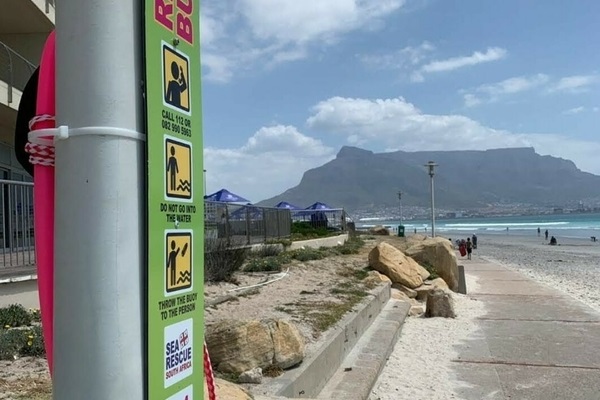
- Where NSRI pink buoys are stationed along the beach – bystanders should throw a pink buoy towards the casualty/s in the water.
“Parents must ensure that their children have responsible adult supervision in and around water,” Lambinon says.
Call 112 or 087 094 9774 in emergencies