

For many university students, checking social media is part of everyday life, with most using their smartphones to keep in touch with friends, follow the news, study, and unwind.
Mental health
However while these digital platforms have made it easier to stay connected, a new study by the University of the Western Cape (UWC) suggests that spending too much time on social media and becoming overly dependent on smartphones may come at a cost to the mental health of many young people.
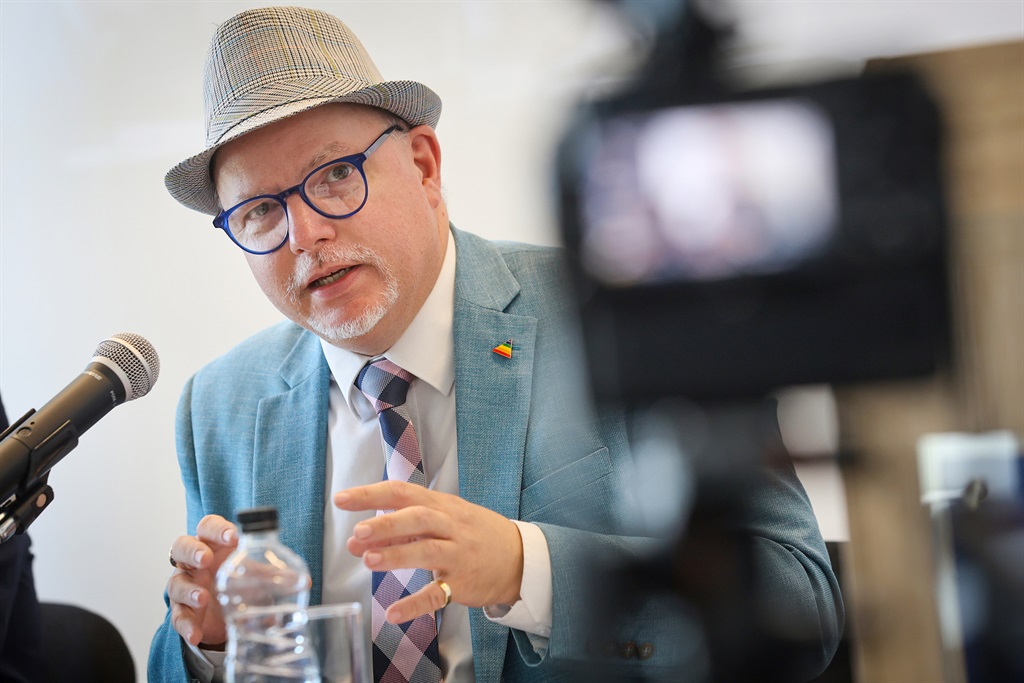
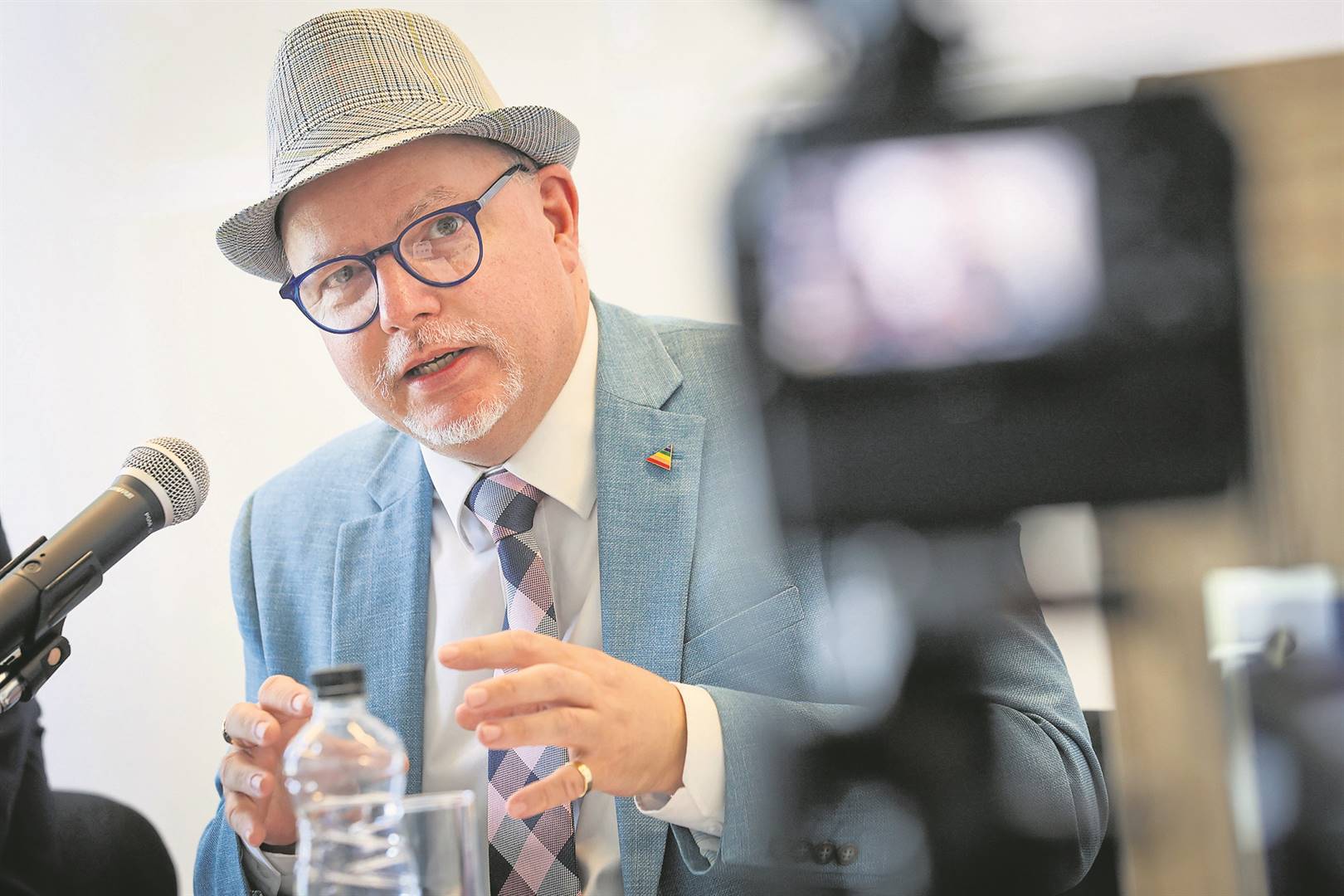
Researchers and psychologists Prof Tyrone Pretorius, UWC’s former Rector and Vice-Chancellor, and Prof Anita Padmanabhanunni, Dean of the Faculty of Community and Health Sciences, found that greater integration of social media into students’ daily lives was associated with higher levels of smartphone addiction and symptoms of depression, anxiety, and post-traumatic stress disorder (PTSD).
One possible explanation for the association with depression and anxiety is that students are frequently exposed to carefully curated images of other people’s achievements, lifestyles, and appearances. Comparing themselves with these idealized portrayals may contribute to feelings of inadequacy, worry about social acceptance, and lowered mood.Regarding the link to PTSD, frequent social media use may increase students’ exposure to distressing content, traumatic events, negative news, and reminders of past distressing experiences, which may intensify feelings of fear, anxiety, and emotional distress.
Another possibility is that some individuals may use social media to escape or distract themselves from difficult emotions. While this may provide temporary relief, it could ultimately reinforce PTSD symptoms rather than help people cope. However, the findings do not show that social media use directly causes PTSD symptoms.
Peer-reviewed
The study, which has been published in the international peer-reviewed journal Behavioral Sciences, explored how social media integration is linked to psychological distress among 491 university students, and whether smartphone addiction helps explain this relationship.
Participants in the study, mostly women with an average age of 21 to 22 years, completed a series of questionnaires that measured how integrated social media was into their daily lives, whether they showed signs of smartphone addiction, and whether they experienced symptoms of depression, anxiety, PTSD, and hopelessness.
Conversely, the researchers found no link between social media use and feelings of hopelessness, despite some previous studies reporting such an association, particularly among adolescents. They suggest that hopelessness, which reflects a person’s outlook on the future, may be less influenced by everyday social media use than conditions such as anxiety, depression, or PTSD, which are more closely linked to daily emotions and experiences.
The researchers conclude that the findings have important implications for universities seeking to support student mental health, and that efforts to reduce the psychological impact of social media should focus not only on limiting time spent on these platforms, but also on addressing unhealthy smartphone habits and educating students about the mental health risks associated with smartphones. “Psychoeducation on the negative effects of excessive smartphone use and brief, skills-based interventions that strengthen self-regulation and reduce cue-driven checking may be beneficial in student populations,” the researchers noted.
ALSO READ: Research examines urban food waste and inequality in Cape Town